
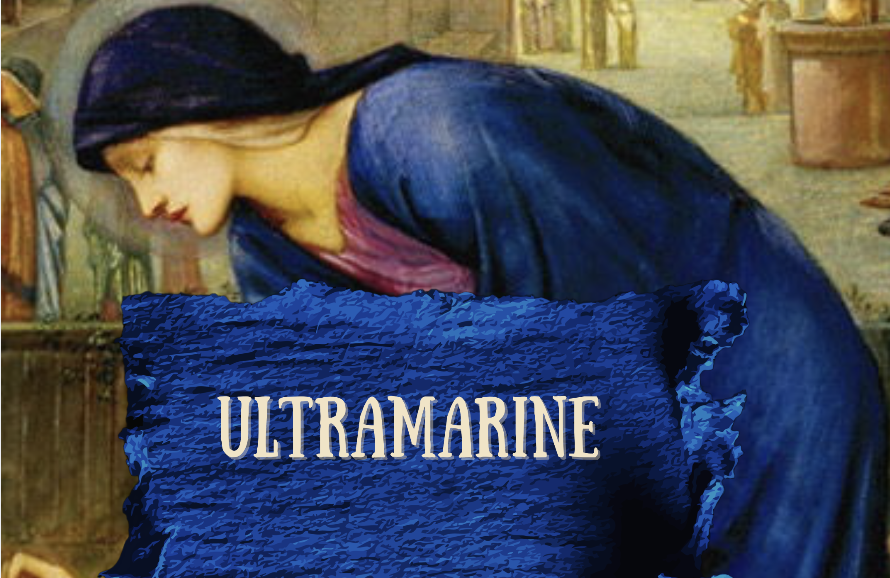
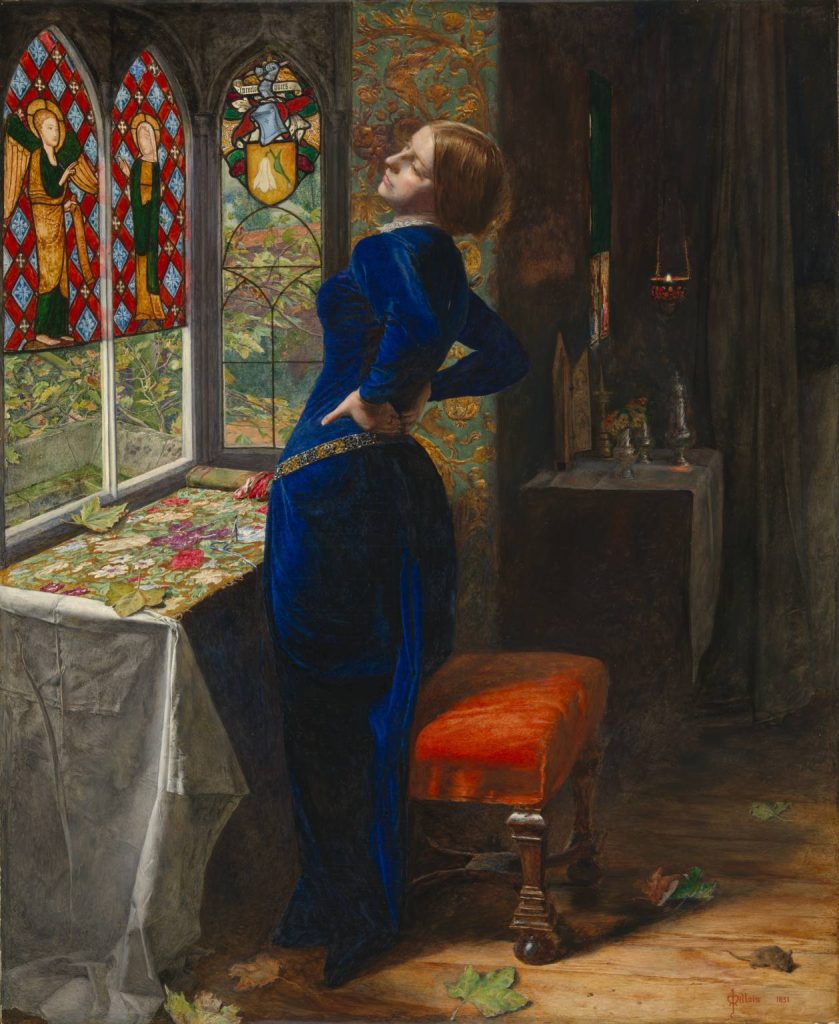
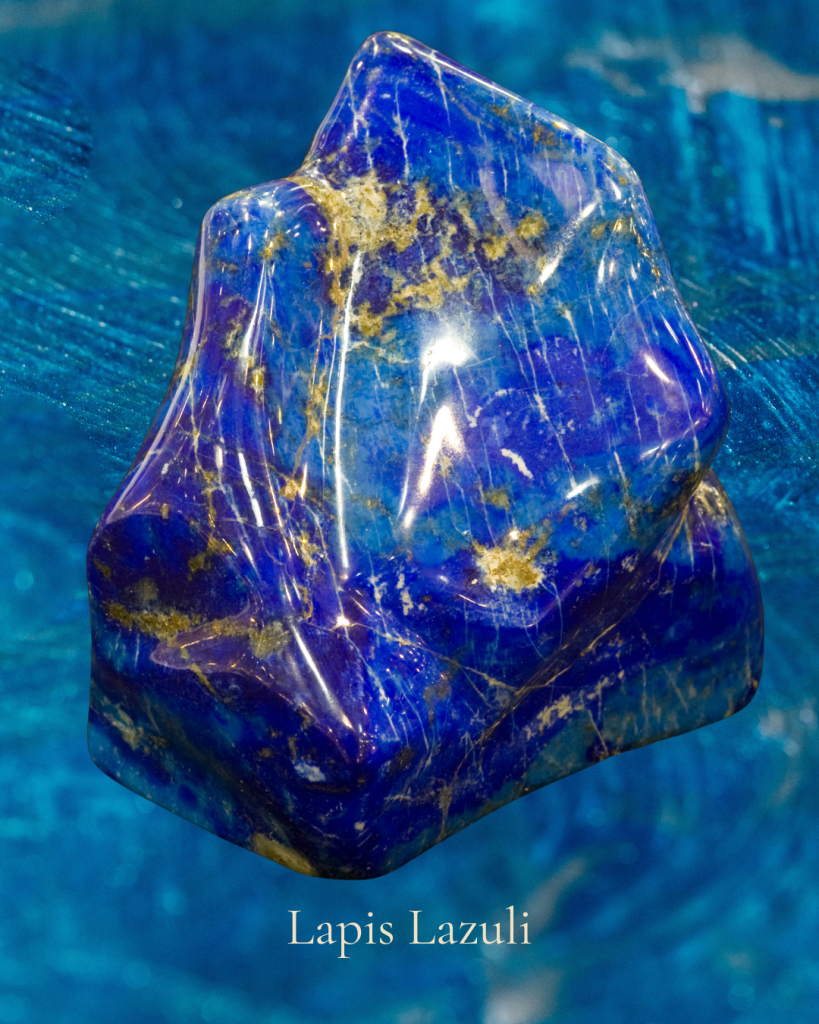
For centuries, the most luminous ultramarine came from lapis lazuli mined in remote mountains (and moved across continents by hand, animal, ship, and at great risk).
Before it ever touched a brush, it had already lived several lives: as stone, as treasure, as trade, as an ordeal. By the time the pigment reached a painter’s studio, it arrived with a built in mythology of rarity and great value.
Where it comes from and why it mattered
Natural ultramarine is made by grinding lapis lazuli and laboriously separating the blue particles from duller minerals. It was hard work and low yield, meaning you could throw a lot of money at it and still not get much.
That scarcity became part of its aura. It was limited, temperamental, and priced like a jewel.
The business of a sacred blue
In many workshops, ultramarine was treated like a luxury ingredient. Patrons sometimes specified it in contracts, especially when they wanted a painting to announce devotion and status in the same breath.
A painter would often make decisions like:
- Use ultramarine only where it counts
- Substitute cheaper blues elsewhere
- Reserve it for the most symbolically loaded surfaces
In other words: color as strategy.
The symbolism
Ultramarine’s cultural meaning didn’t come only from religion, but religion supercharged it. In Western European painting, it became linked to the sacred, especially through Marian blue*.


Ultramarine evokes emotion
It’s a hue that carries the hush and mystery of distance: deep ocean, a starry night, or the far side of a mountain range. Because it’s so saturated, it doesn’t just sit on the surface; it seems to gather light and hold it.
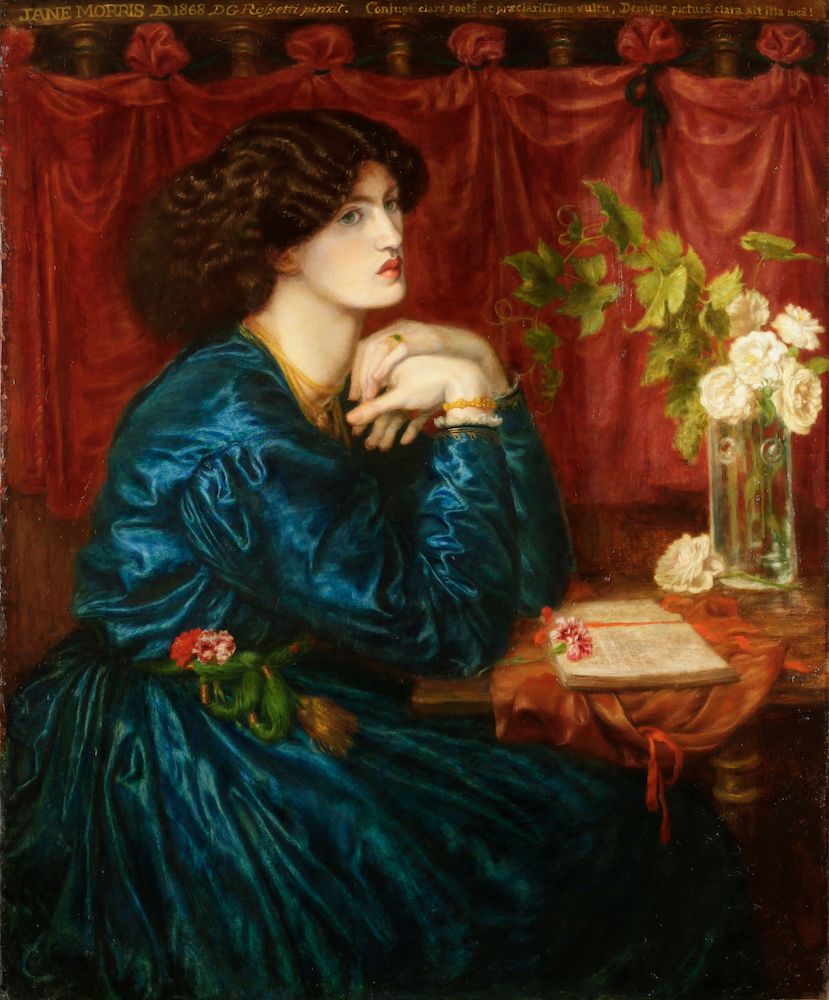
The beauty of ultramarine is that it refuses to be merely decorative. It has depth without gloom, richness without shouting. It can read as sky, sea, velvet, or benediction, sometimes all at once, holding both distance and devotion in the same breath. Even now, when the pigment is no longer rare, the color still behaves like something precious: it gathers our attention, steadies our gaze, and makes a little room in the mind for wonder.
Ultramarine doesn’t just color a surface; it dignifies it, quietly.
*More on Marian Blue on this Wikipedia page, along with links to a variety of shades, complete with swatches.