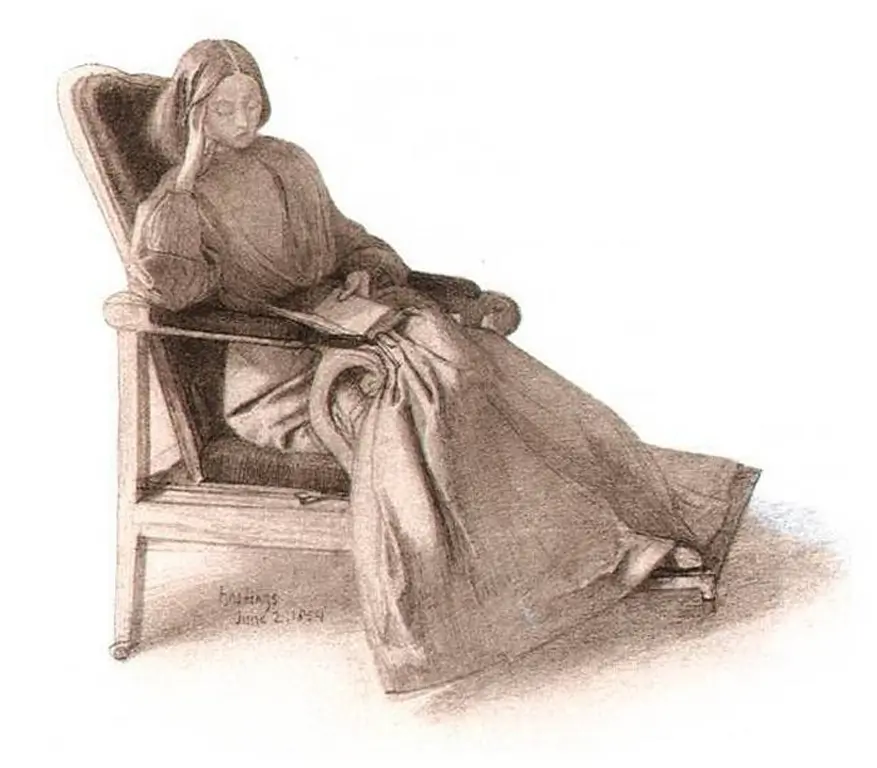
Elizabeth Eleanor Siddal
Elizabeth Siddal (1829–1862) was a groundbreaking Pre-Raphaelite artist, poet, and model whose life and work helped shape one of the most influential art movements of the Victorian era. Best known today as the face of John Everett Millais’ Ophelia and as the creative partner of Dante Gabriel Rossetti, Siddal forged an artistic legacy entirely her own, which is rich with symbolism, emotion, and quiet rebellion. This page serves as a guide to her art, her story, and her enduring influence.
For years, Siddal’s reputation was overshadowed by her role as muse to Dante Gabriel Rossetti and the Pre-Raphaelite Brotherhood. But today, scholars and admirers recognize a different truth: Siddal was an artist of remarkable sensitivity and originality. She exhibited alongside her male peers, earned the patronage of the Victorian art critic John Ruskin, and produced a body of work that explores love, loss, identity, and medieval legend. Her art and poetry reveal a voice that is intimate, haunting, and unmistakably her own.
Life of Elizabeth Siddal
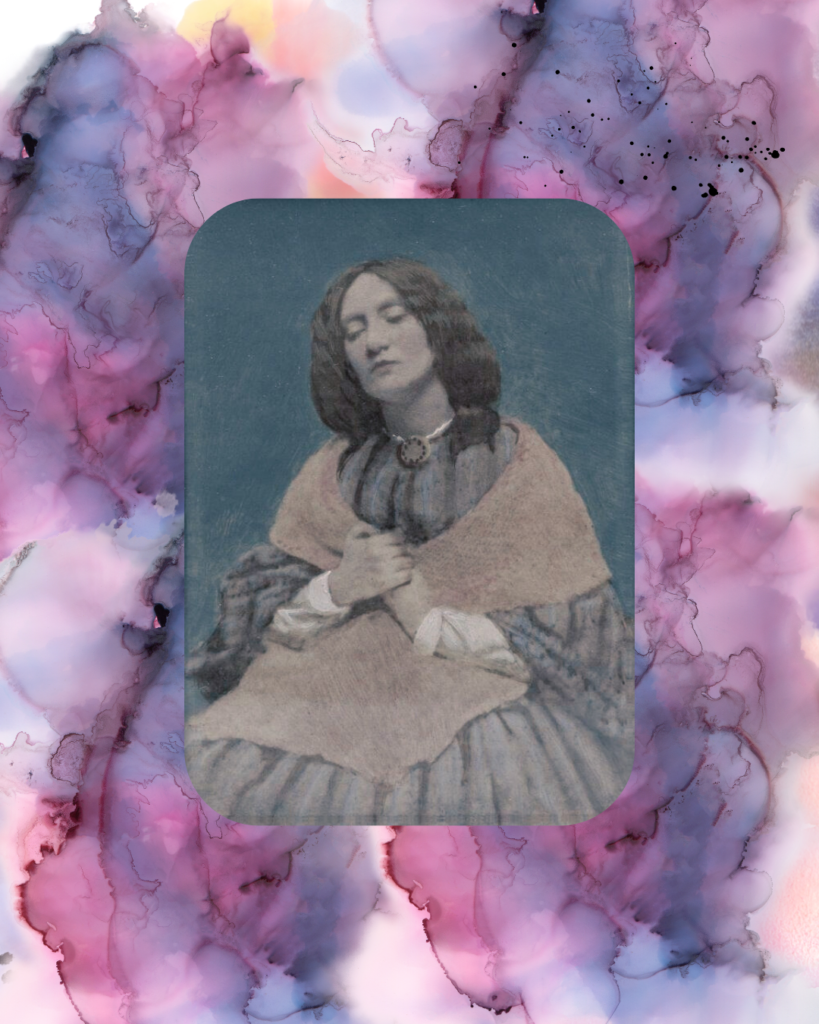
Trace Siddal’s life from her discovery in a London milliner’s shop to her place among the Pre-Raphaelites, her relationship with Dante Gabriel Rossetti, and her development as an artist.
Biography
FAQs
James Greenacre: The murderer in Lizzie’s childhood
Lizzie’s letters
Memories of Lizzie from Georgiana Burne-Jones
Painter William Holman Hunt’s version of Lizzie’s introduction to the PRB
The Face of Ophelia
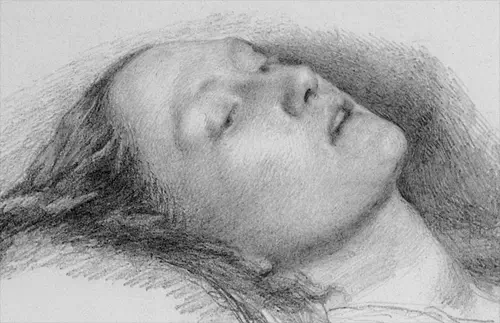
Siddal’s connection to Millais’ Ophelia has shaped her legend for generations. This section explores the painting, the famous bathtub story, and the way art turned a living woman into myth.
Explore the character of Ophelia and her cultural and artistic afterlives in the Ophelia hub.
Elizabeth Siddal’s Art & Poetry
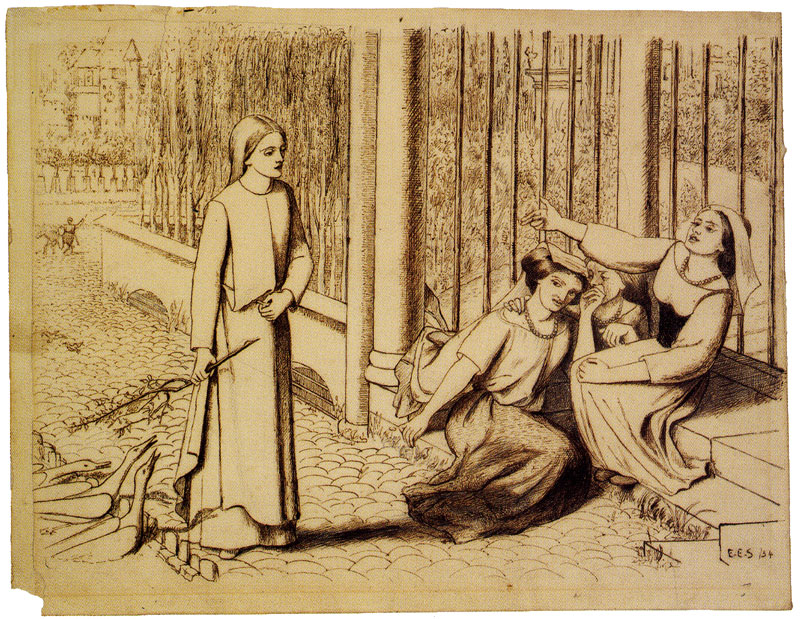
Look beyond the familiar image of Siddal as muse and discover her own creative work: drawings, watercolors, poems, and the fragile, enchanted world she made on paper.
Love, Marriage, & Rossetti
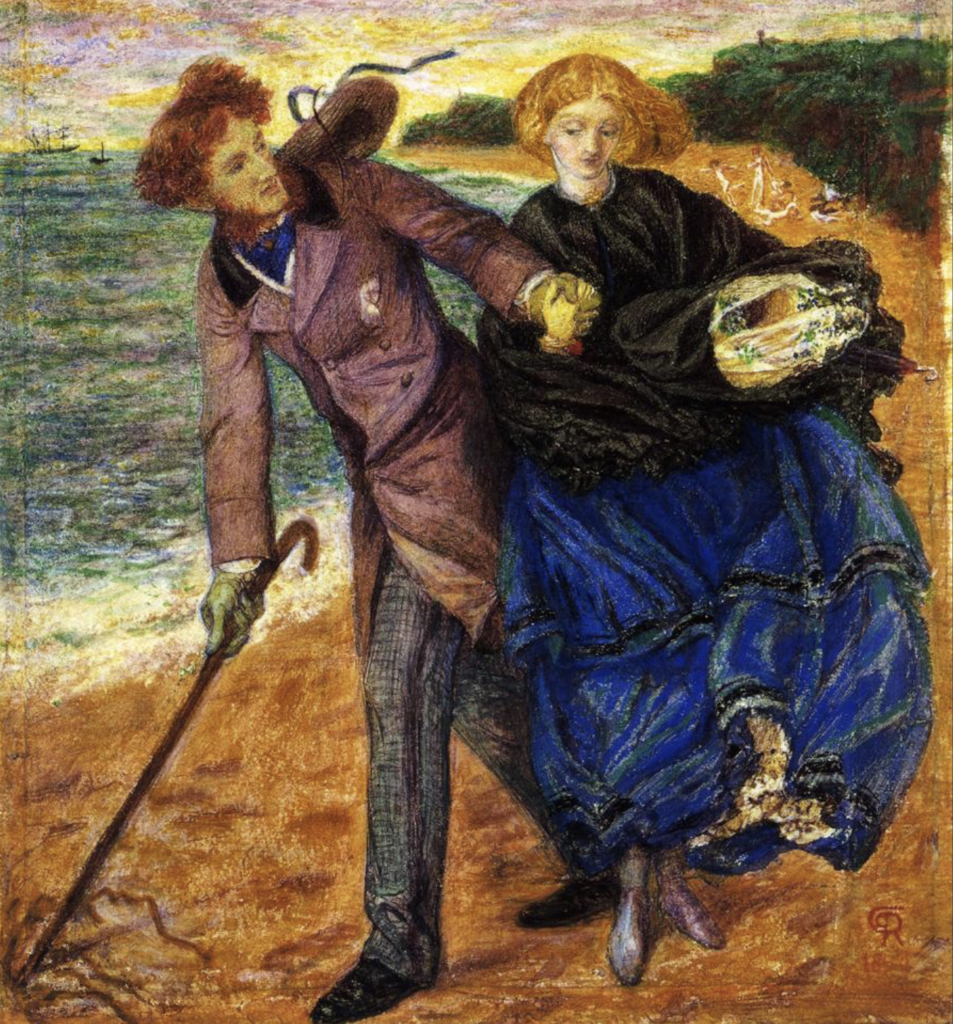
Elizabeth Siddal and Dante Gabriel Rossetti shared one of the most famous and complicated relationships in Victorian art: passionate, creative, unequal, and shadowed by illness, grief, and mythmaking.
Drawn Together: The marriage of Gabriel and Lizzie
Artist Arthur Hughes shares an anecdote from Lizzie and Gabriel’s honeymoon
Rossetti’s letter to poet William Allingham announcing his marriage
Rossetti describes Ruskin’s patronage of Lizzie
Death & Exhumation
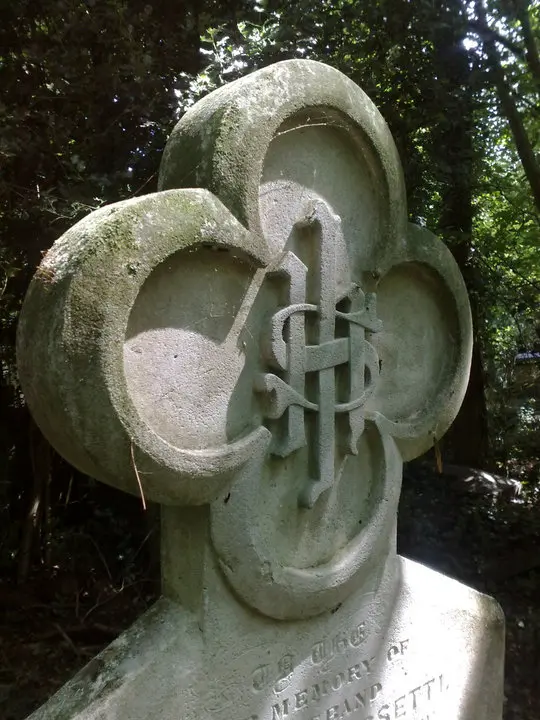
Lizzie, in frequent ill-health, became dependent on laudanum and died in 1862 of an overdose. Gabriel buried the only manuscript of his poems with her. Seven years later, he had her coffin exhumed in order to retrieve the poems for publication.
Read about her death and the strange events that followed
Highgate Cemetery: Visiting Lizzie’s grave
The Worst Man in London: How her exhumation was orchestrated
Legacy

Framing Elizabeth Siddal: How we see her and why it matters
Elizabeth Siddal continues to captivate and inspire conversation
Did Elizabeth Siddal inspire Bram Stoker?

This page explores the eerie possibility that Elizabeth Siddal’s posthumous legend helped shape Bram Stoker’s imagination, especially through the story of her exhumation, the myth of her still-growing hair, and the ghostly figure of Lucy Westenra in Dracula. It carefully separates fact from rumor, showing how Siddal’s real life has often been overshadowed by gothic myth, vampire imagery, and the tragic muse narrative.
Sylvia Plath and Elizabeth Siddal: Poetic sisters separated by a century
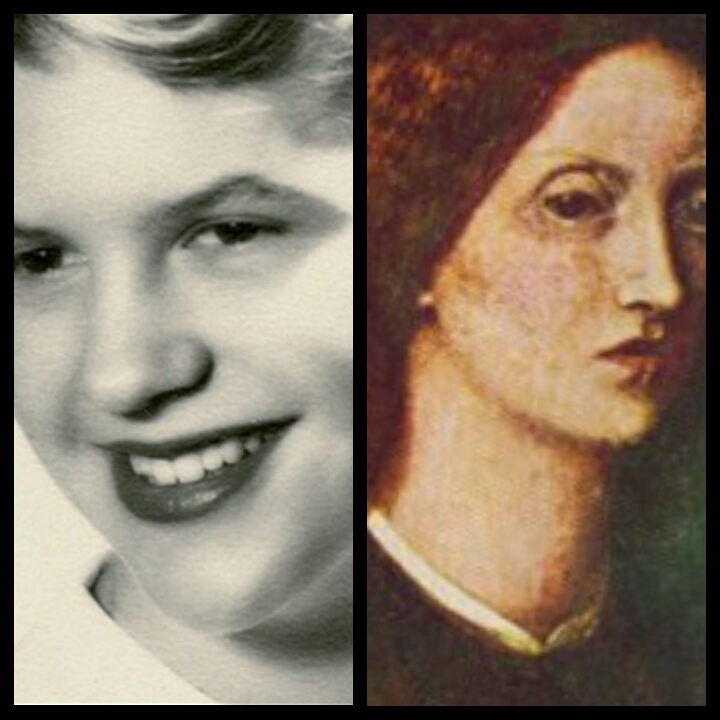
This page considers the haunting parallels between Elizabeth Siddal and Sylvia Plath: two gifted women artists whose creative work has often been overshadowed by the tragedy of their deaths. It explores how myth, grief, illness, marriage, and posthumous fascination can distort the way we remember women who deserved to be seen as creators first, not symbols of sorrow.