Ophelia is one of the most haunting figures in literature. She was born in Shakespeare’s Hamlet and reborn across centuries of art, poetry, film, and culture. This guide explores Ophelia’s meaning in Hamlet, her symbolism in Pre-Raphaelite art, her connection to Elizabeth Siddal and Millais’ famous painting, and the way modern culture continues to reinterpret her as a figure of grief, beauty, silence, and resistance.
Her image has become a mirror in which each era sees something different: tragedy, beauty, madness, longing, resilience.
From the willow branches of Millais’ painting to modern feminist retellings, Ophelia continues to evolve, inviting us to revisit her story with new eyes. This hub gathers Guggums’ explorations of Ophelia’s many afterlives, from her symbolism and artistic portrayals to the deep cultural echoes she still carries today.
Ophelia’s Literary Origins
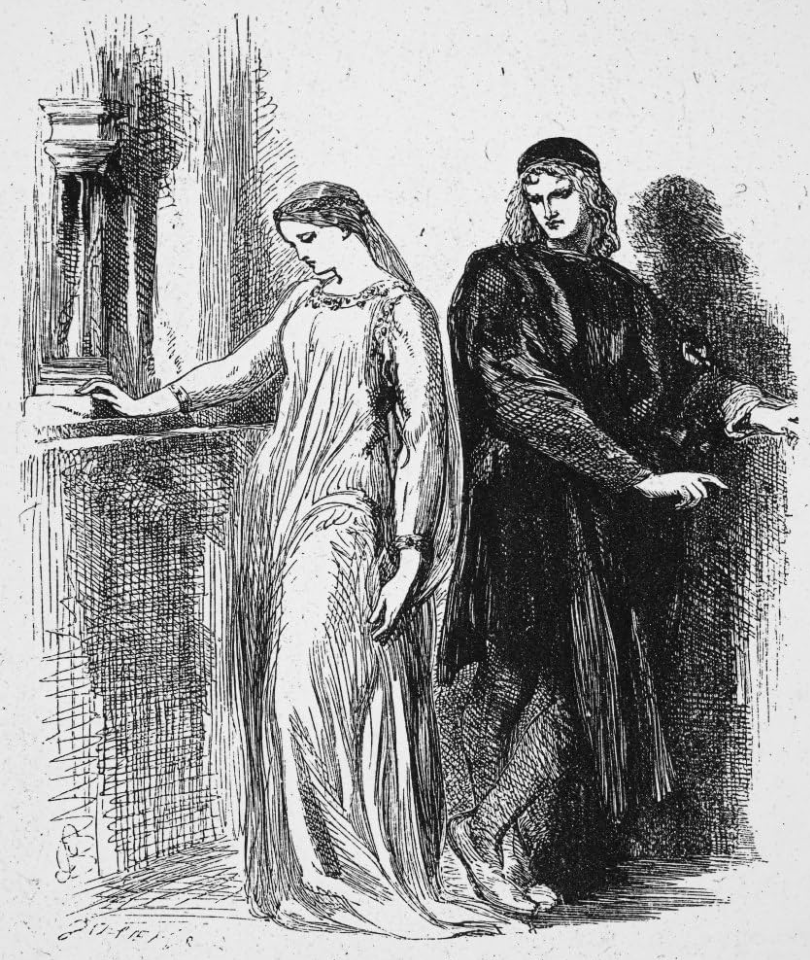
Ophelia moves through Hamlet like a quiet thread of light in a darkening world. Pressured by her father, dismissed by Hamlet, and shattered by sudden loss, her madness becomes the only language left to her. Her death embodies the tragedy of a woman unprotected, unheard, and undone by forces she could not resist.

What Does Ophelia Symbolize?
Ophelia has never meant only one thing. In Shakespeare’s Hamlet, she is a young woman caught between obedience, love, grief, and political danger. In art and culture, she becomes something even larger: a figure of beauty and sorrow, silence and song, innocence and collapse. Part of her lasting power is that every age seems to find its own reflection in her.
Flowers
Flowers are among Ophelia’s most famous symbols. In Hamlet, she gives out flowers and herbs in a scene that feels both delicate and devastating. Rosemary suggests remembrance. Pansies suggest thought. Fennel and columbines can imply flattery, faithlessness, or ingratitude. Rue carries meanings of sorrow, repentance, and regret.
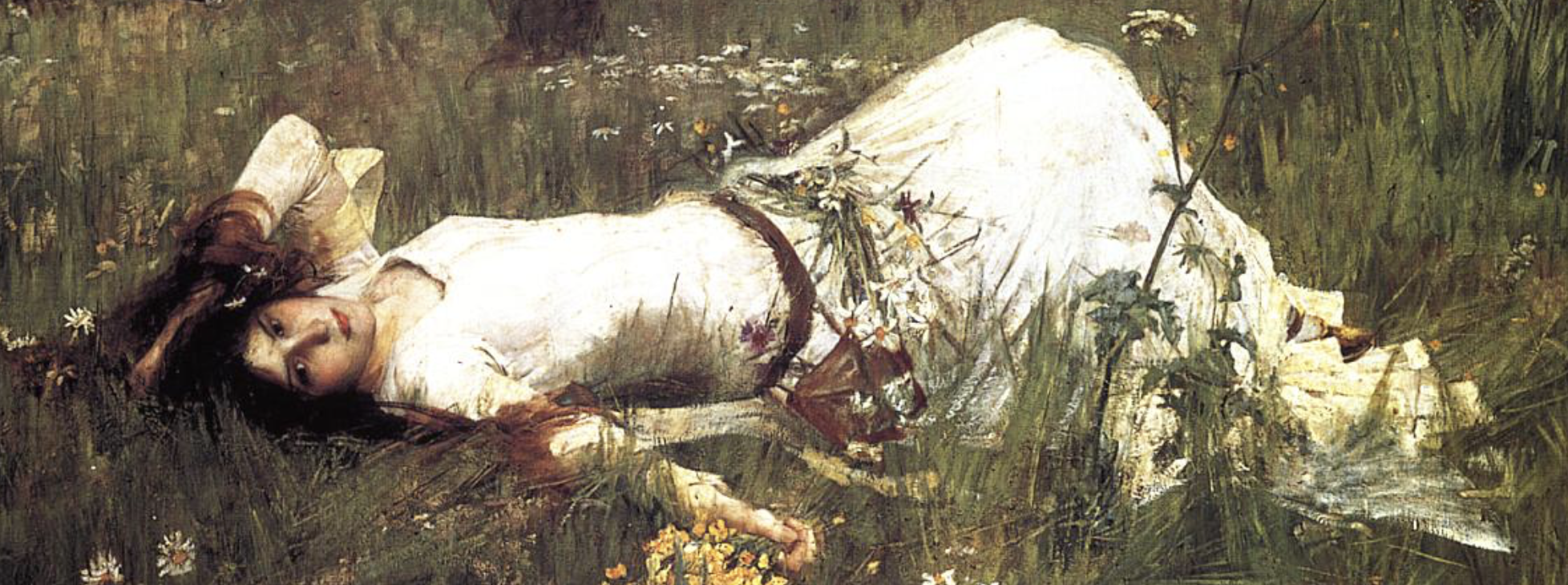
In Pre-Raphaelite art, especially John Everett Millais’ Ophelia, flowers become more than decoration. They form a language around her body. They speak where Ophelia cannot. Each bloom seems to preserve a fragment of feeling: innocence, betrayal, mourning, memory, and love abandoned too late.
Water
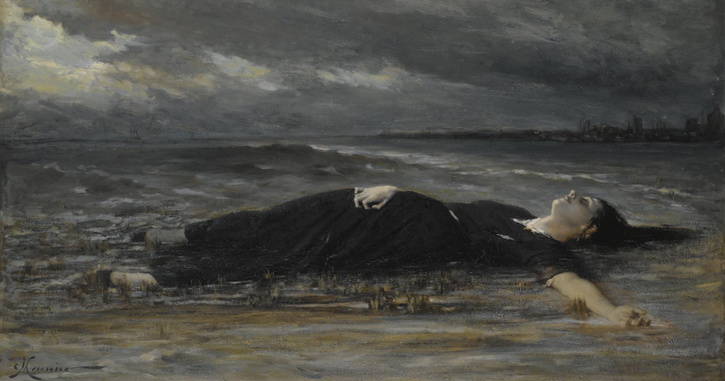
Water is central to Ophelia’s image. It is the place of her death, but also the element that turns her into a vision. Floating in the stream, she appears suspended between life and death, speech and silence, body and dream.
This is one reason artists have returned to her again and again. Water softens the violence of the scene while making it more haunting. It carries her away from the court, from command, from explanation. In many later images, water becomes Ophelia’s final refuge: beautiful, terrible, and impossible to escape.
Madness
Ophelia’s madness is one of the most painful parts of her story. She loses her father, is rejected by Hamlet, and is trapped in a world where powerful men decide what she may say, do, feel, and become. When her mind begins to break, her fragmented songs and flower-giving become the only language left to her.
Because of this, Ophelia can symbolize the cost of being unheard. Her madness is not merely weakness. It can also be read as grief overflowing the boundaries of acceptable behavior. She says indirectly what she has never been allowed to say plainly.
Silence
Although Ophelia sings in her final scenes, she is also one of literature’s great figures of silencing. Other people speak about her, arrange her, warn her, use her, mourn her, and interpret her. Her own desires remain partly hidden.
That is why modern readers often see Ophelia as a symbol of women whose stories have been shaped by others. She becomes the girl in the painting, the drowned beloved, the tragic muse; but also a reminder to ask what has been left out. What did Ophelia know? Did anyone care about her hopes? What might she have said if anyone had truly listened?
Beauty
Ophelia is often portrayed as beautiful, but her beauty is uneasy. In paintings, poems, and films, she is frequently shown at the moment when beauty and destruction meet. This is part of what makes her image so compelling and also so troubling.
The danger is that Ophelia’s suffering can become aestheticized, turned into something lovely to look at rather than something painful to understand. The best interpretations of Ophelia do both: they recognize the visual power of her image while refusing to forget the human grief beneath it.
Ophelia’s Flowers and Their Meanings
One of the reasons Ophelia has remained so vivid in art and literature is that in Act IV, Scene V, she speaks through flowers. In Hamlet, her flower giving scene is strange, tender, and unsettling: she offers herbs and blooms as if they carry the words she can no longer say directly. Each flower becomes part of her symbolic language, revealing grief, memory, betrayal, innocence, and loss.
Rosemary
Rosemary traditionally symbolizes remembrance. When Ophelia says, “There’s rosemary, that’s for remembrance,” she seems to be asking others to remember what has happened, what has been lost, and perhaps what they would rather forget. In art, rosemary can suggest memory clinging to grief.
Pansies
Pansies are linked with thoughts. Ophelia’s “pansies, that’s for thoughts” may suggest reflection, sorrowful memory, or the burden of thinking too much in a world where she has too little power. They are small flowers, but in Ophelia’s hands they become heavy with meaning.
Fennel and Columbines
Fennel and columbines are often associated with flattery, faithlessness, and ingratitude. These flowers can feel pointed, as if Ophelia is quietly accusing the court around her. Even in her madness, she may understand more than others are willing to admit.
Rue
Rue is one of Ophelia’s most sorrowful flowers. It is associated with regret, repentance, bitterness, and grief. When Ophelia offers rue, she seems to be distributing sorrow itself. But when she says ‘wear your rue with a difference,‘ she seems to mean: your sorrow is not the same as mine.
In fuller context, Ophelia says:
“There’s rue for you; and here’s some for me. We may call it herb of grace o’ Sundays. O, you must wear your rue with a difference.”
She keeps some rue for herself, but gives some to another person, often interpreted as Queen Gertrude or King Claudius, depending on staging. The “difference” suggests that their repentance should be marked differently because their guilt is different. Ophelia’s rue is grief; theirs may be remorse. Ophelia is saying: “We both have sorrow, but yours should be worn differently because you have something to repent.”
It is one of those moments where her madness may actually reveal sharp moral insight. She seems broken, but she is also quietly accusing the court around her.
Daisy
The daisy often suggests innocence, purity, or disappointed love. In Ophelia’s scene, it can feel like a fragile emblem of a younger, gentler self that has been damaged by loss. The daisy reminds us of the innocence that cannot survive the world of Hamlet.
Violets
Ophelia says she would have given violets, but they withered when her father died. Violets are often associated with faithfulness, modesty, and early death. Their absence matters as much as their presence: something loyal and tender has vanished.
Willow
Although the willow appears most strongly in the description of Ophelia’s drowning, it is deeply tied to her image. Willow trees often symbolize forsaken love, mourning, and grief. In many artistic depictions, the willow becomes part of the atmosphere around Ophelia: bending over the water like sorrow itself.
Flowers as Ophelia’s Final Language
Ophelia’s flowers are not decorative details. They are a form of speech. Through them, she expresses what the court refuses to hear: remembrance, betrayal, grief, innocence, and heartbreak. That is why flowers remain central to her afterlife in art. They make her sorrow visible, turning a scene of collapse into a strange and unforgettable language of blooms.
Ophelia and the Pre-Raphaelites
In art, Ophelia often becomes the uneasy meeting point of loveliness and erasure.
The Pre-Raphaelites transformed Ophelia from a Shakespearean character into one of the most recognizable images of Victorian art. In John Everett Millais’ Ophelia, her drowning becomes both intensely naturalistic and strangely dreamlike: every flower, leaf, and fold of fabric seems to hold symbolic meaning. Elizabeth Siddal’s role as the model deepened the painting’s mythology, linking Ophelia’s fictional tragedy with the real life of a woman later remembered through her own art, illness, marriage, and death.
- Elizabeth Siddal and Ophelia: The Merging of Myth and Muse
- Why Ophelia Captivated the Pre-Raphaelites
- Pre-Raphaelite Women Hub
- The Legacy of Millais’ Ophelia
- Ophelia Endures
When down her weedy trophies and herself
Fell in the weeping brook. Her clothes spread wide;
And, mermaid-like, awhile they bore her up:
Ophelia in Film
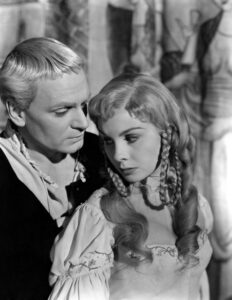
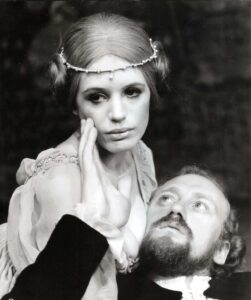
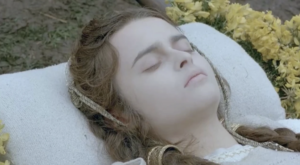
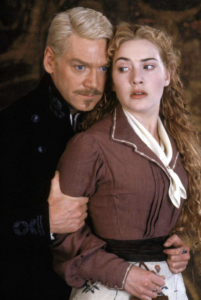
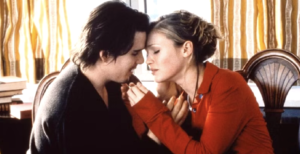
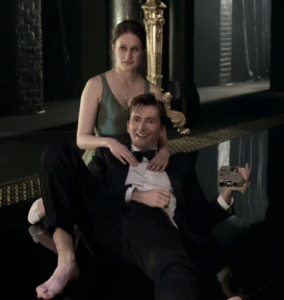
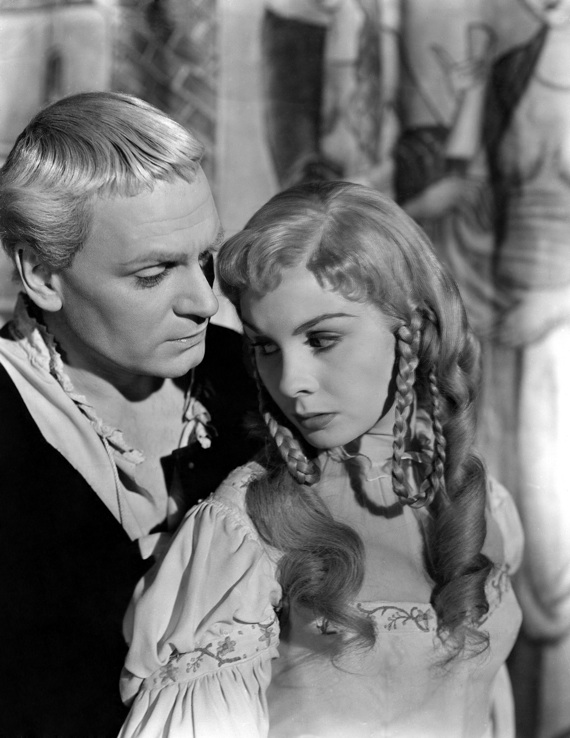
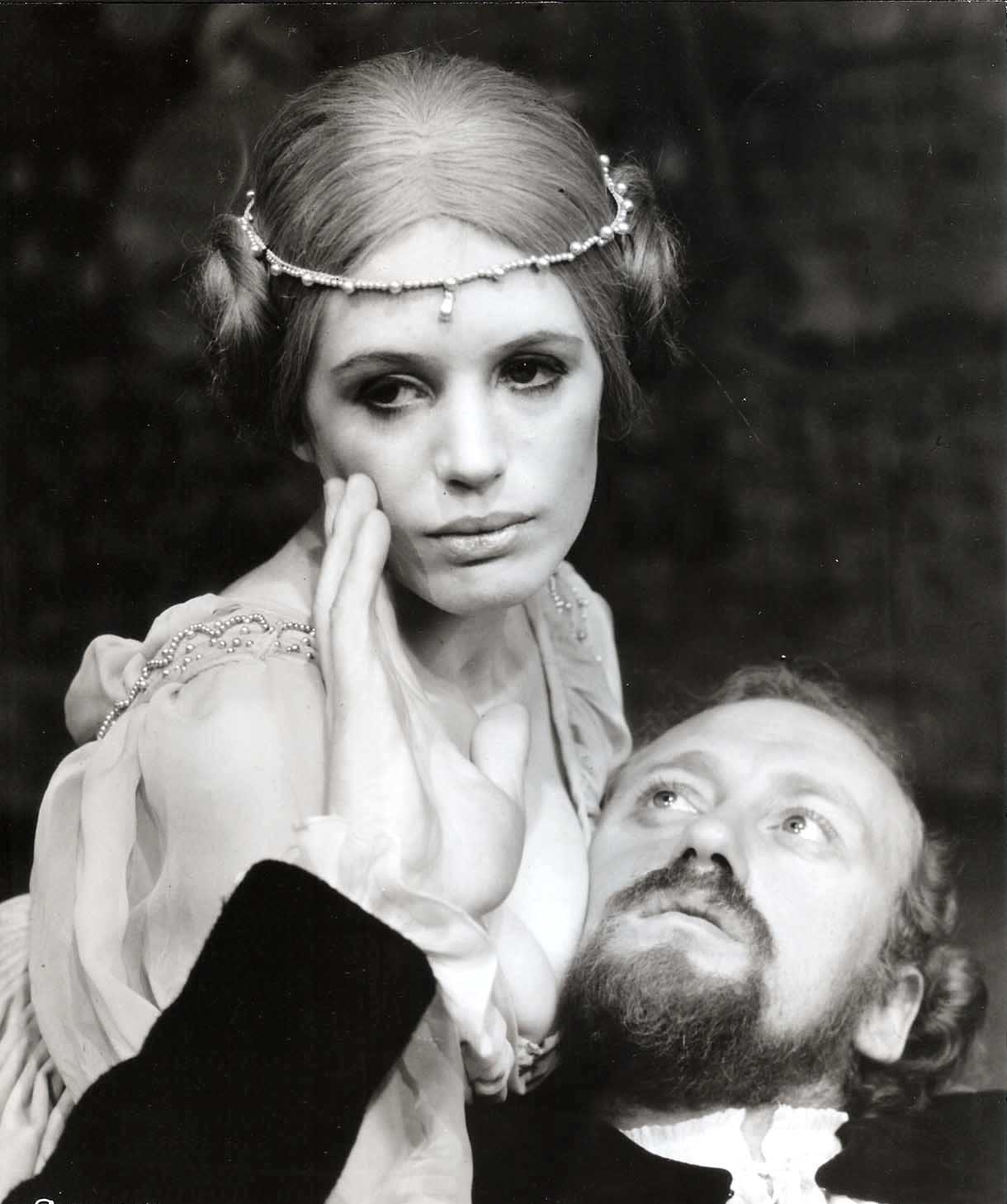
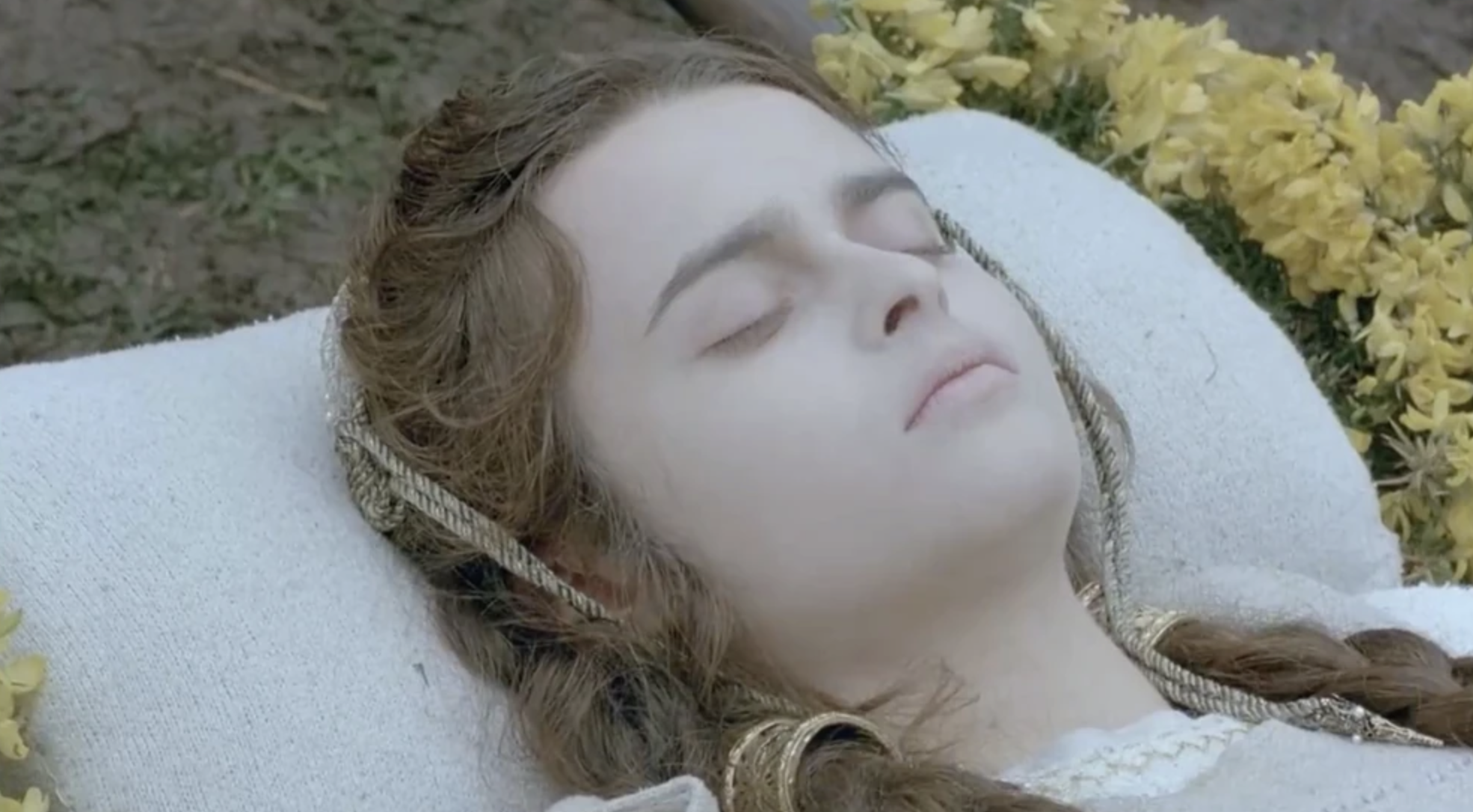
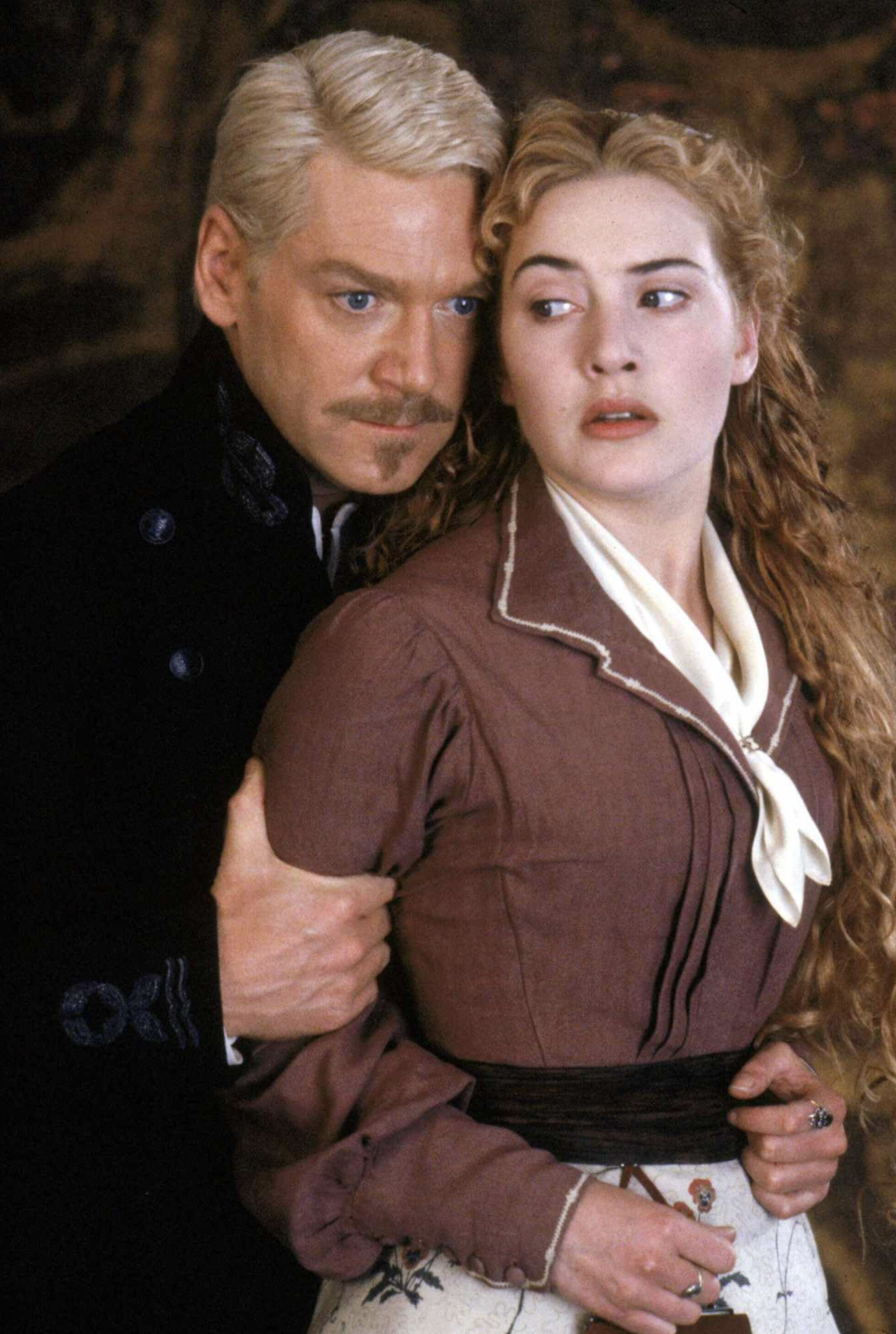
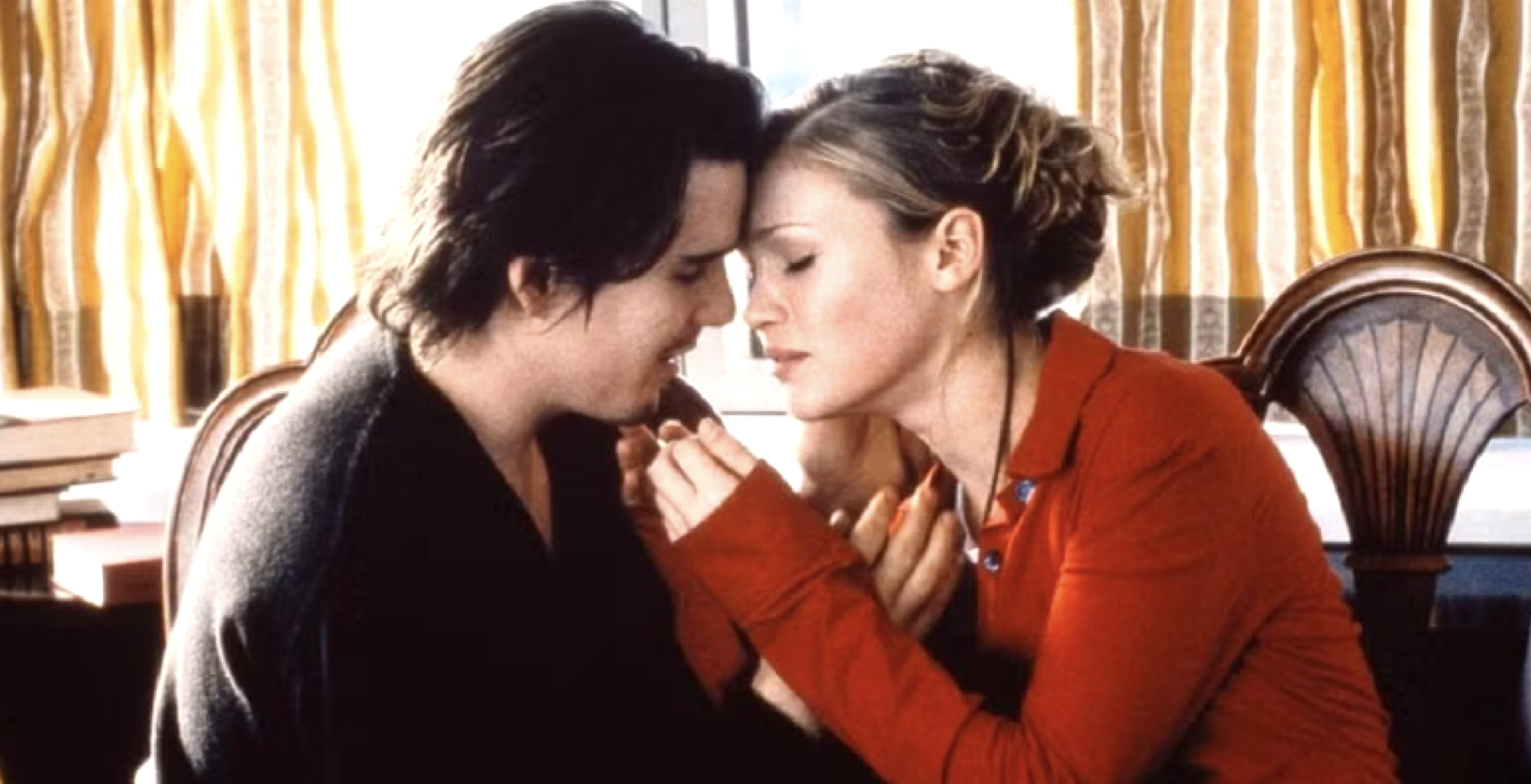
Film has repeatedly returned to Ophelia because she gives directors a way to visualize innocence, instability, grief, and resistance. Each actress brings a different Ophelia into view: Jean Simmons’ fragile lyricism, Helena Bonham Carter’s raw emotional intensity, Kate Winslet’s wounded intelligence, Julia Stiles’ modern alienation, and Mariah Gale’s devastating clarity.
- 1948: Jean Simmons as Ophelia, Laurence Olivier as Hamlet.
- 1969: Marianne Faithfull as Ophelia and Nicol Williamson as Hamlet
- 1990: Helena Bonham Carter, Mel Gibson as Hamlet
- 1996: Kate Winslet as Ophelia, Kenneth Brannagh as Hamlet
- 2000: a modern retelling with Julia Stiles as Ophelia and Ethan Hawke as Hamlet.
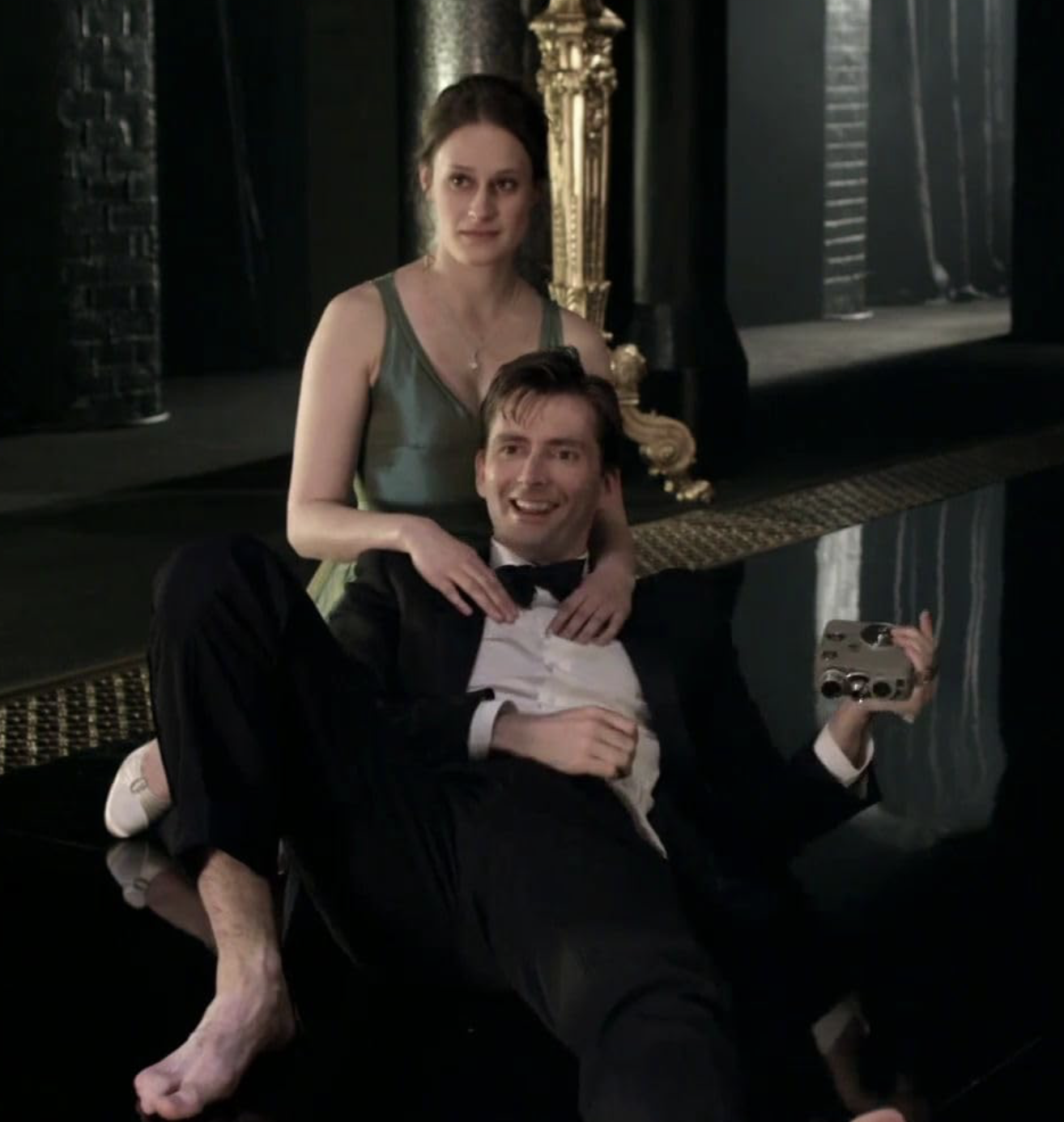
- 2009: Mariah Gale as Ophelia, David Tennant as Hamlet
Ophelia in Modern Culture
Each generation reinterprets Ophelia through the lens of its own fears, desires, and cultural tensions. To the Victorians, she was the idealized tragic beauty; she was fragile, ethereal, and framed by flowers. In the 20th century, she became a symbol of psychological depth and feminist critique, a young woman undone not by madness but by the systems around her. Today, Ophelia surfaces in art, film, and social media as an avatar for mental health, girlhood, resistance, and reclamation.
Her image shifts because she is less a single character than a mirror: reflecting whatever a particular era most needs to confront about women, grief, and the stories we tell.
Ophelia Resources for Parents, Students, and Beginners
For readers meeting Ophelia for the first time, it helps to begin with the basics: who she is in Hamlet, why her story matters, how her death has been interpreted, and why artists have returned to her image for centuries. These beginner-friendly resources offer a gentle path into Shakespeare, Pre-Raphaelite art, and the emotional world Ophelia still carries.
- How to Introduce Your Kids to Hamlet
- How to Talk to Your Kids About Ophelia
- Art Appreciation for Beginners
Frequently Asked Questions
Who is Ophelia in Hamlet?
Ophelia is a young noblewoman in Shakespeare’s Hamlet. She is loved by Hamlet, controlled by her father and brother, and ultimately destroyed by grief, political pressure, and a world that gives her little power over her own life.
What does Ophelia symbolize?
Ophelia often symbolizes grief, innocence, madness, silencing, beauty, and the cost of being unheard. In art and culture, she has also become a figure of feminine sorrow, resistance, and reclamation.
Why is Ophelia famous in art?
Ophelia became famous in art because her death scene brings together nature, beauty, tragedy, symbolism, and mystery in a single haunting image. Across centuries and artistic movements, painters, illustrators, photographers, and filmmakers have returned to her as a figure of sorrow, silence, innocence, and emotional collapse.
Who modeled for Millais’ Ophelia?
Elizabeth Siddal modeled for John Everett Millais’ Ophelia. Her role in the painting later became part of her own legend as a Pre-Raphaelite muse, artist, and poet.
What do Ophelia’s flowers mean?
Ophelia’s flowers carry symbolic meanings connected to remembrance, thought, sorrow, regret, innocence, betrayal, and mourning.
Conclusion
Ophelia represents the tension between silence and expression, innocence and depth, fragility and strength.
As artists and storytellers continue to reinterpret her, Ophelia becomes a way of exploring how women are seen and how they see themselves. This hub is your place to wander through her rivers, her flowers, her myths, and her many retellings. May these pages help you meet Ophelia not as a tragedy to mourn, but as a presence that still speaks, still shifts, and still inspires.
Read Next
If you are new to Ophelia:
Start with Ophelia in Hamlet: Literary Background
If you love Pre-Raphaelite art:
Read Why Ophelia Captivated the Pre-Raphaelites
If you are curious about Elizabeth Siddal:
Read Elizabeth Siddal and Ophelia: The Merging of Myth and Muse
If you want modern meaning:
Read The Ophelia Aesthetic: Why She Haunts Us