
by Stephanie Chatfield
Pre-Raphaelite women were never merely decorative figures. They were artists, models, lovers, family members, and creative forces whose lives shaped some of the most recognizable images in Victorian art.
This guide introduces the women of the Pre-Raphaelite circle. Others created art and poetry of their own. Together, they reveal how deeply women shaped the Pre-Raphaelite movement.
Who Were the Pre-Raphaelite Women?
Although the Pre-Raphaelite Brotherhood was founded by young male artists in 1848, the wider Pre-Raphaelite circle depended on women in ways that were far more significant than simple inspiration.
To call these women “muses” is not wrong, but it is incomplete.
Women Artists of the Pre-Raphaelite Circle

Elizabeth Siddal
Elizabeth Siddal is one of the most famous women of the Pre-Raphaelite circle. Known today as the model for John Everett Millais’ Ophelia and as the wife and muse of Dante Gabriel Rossetti, Siddal was also an artist and poet in her own right. Her drawings, watercolors, and poems reveal a creative imagination shaped by medievalism, melancholy, and a fierce inner life.

Evelyn De Morgan
Evelyn was encouraged to pursue art at a young age by her uncle, artist John Roddam Spencer Stanhope. Much of her work reflects her dedication to pacifism, painted during both the Boer War and World War I. She married ceramicist William De Morgan and together they devoted their lives to the creation of art.
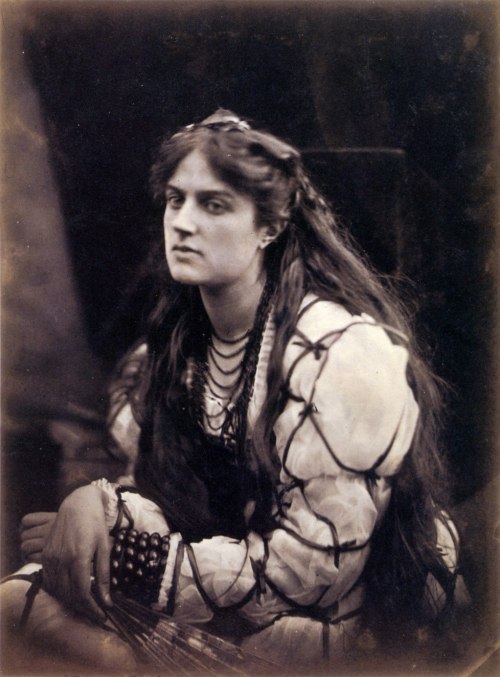
Marie Spartali Stillman
Marie studied art under Ford Madox Brown. Her beauty is apparent in works by Rossetti and Burne-Jones, but her talent shines in the exquisite Pre-Raphaelite painting she herself created.

Joanna Boyce
Joanna Mary Boyce was a painter closely associated with the PRB, in fact, she was the sister of Pre-Raphaelite artist and watercolourist George Price Boyce

Maria Zambaco
Born into a wealthy Greek family that had immigrated to England, Maria studied under sculptor Auguste Rodin. She appears in several Pre-Raphaelite works by Rossetti and Burne-Jones, who became her lover. The end of their affair was tumultuous and painful for all, especially Burne-Jones’ wife Georgiana.
Writers and Poets

Christina Rossetti
Sister of Pre-Raphaelite artist Dante Gabriel Rossetti and critic William Michael Rossetti. A talented poet in her own right, Christina can be seen in several early works of her brother’s, namely The Girlhood of the Virgin Mary and Ecce Ancilla Domini.
Models, Muses, and Creative Partners

Jane Burden Morris
Jane Morris was a poor, working-class girl when she was spotted in the audience of an Oxford theatre by Dante Gabriel Rossetti and Ned Burne-Jones. She may have stolen Rossetti’s heart, but it was his friend William Morris she married. Their love triangle is one of the most famous in art history.
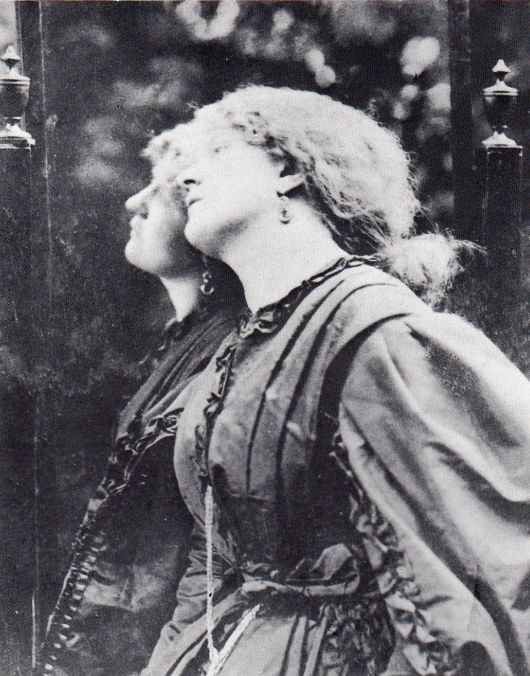
Fanny Cornforth
Of all the models involved with the Pre-Raphaelites, Fanny suffered the most from classism and sheer disdain. Rossetti may have treasured her friendship, but many people in his life strove to create distance between them. Fanny was difficult to dominate, though, and resolutely stood her ground.

Annie Miller
Artist William Holman Hunt discovered Annie Miller living in squalor and took on a Pygmalion-like role to help shape her into a respectable Victorian lady. Their love story did not have a happy ending, however.
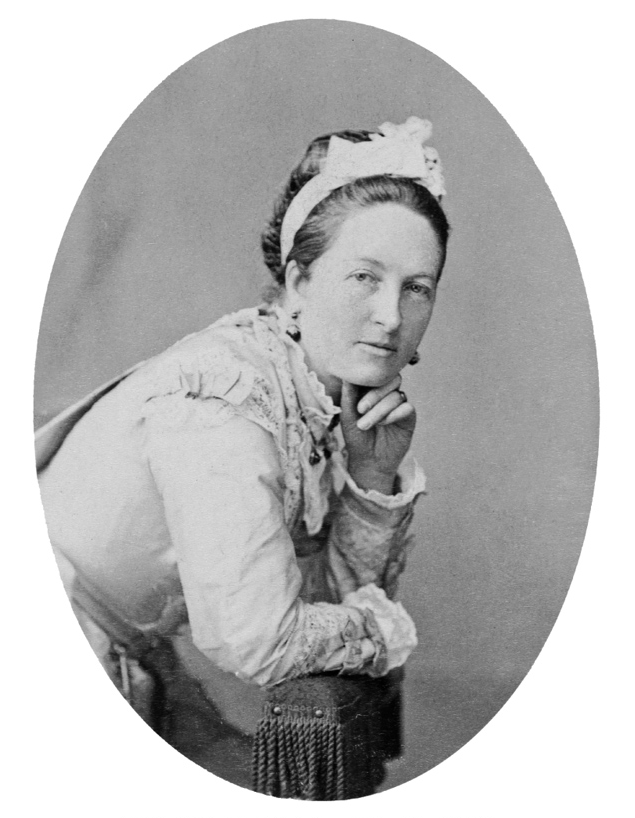
Effie Gray Millais
When young Euphemia “Effie” Gray married art critic John Ruskin, she could not have predicted what a strange marriage theirs would be. Ruskin became an important friend in the Pre-Raphaelite’s corner, especially Millais. Effie and Millais fell in love and married after Ruskin and Effie’s union was annulled after six years on grounds of non-consumation.

Georgiana Burne-Jones
Georgiana was the daughter of a Methodist minister and she and Edward “Ned” Burne-Jones were childhood sweethearts. She not only appears in many of his works, but her family is a veritable who’s who of Victorian culture
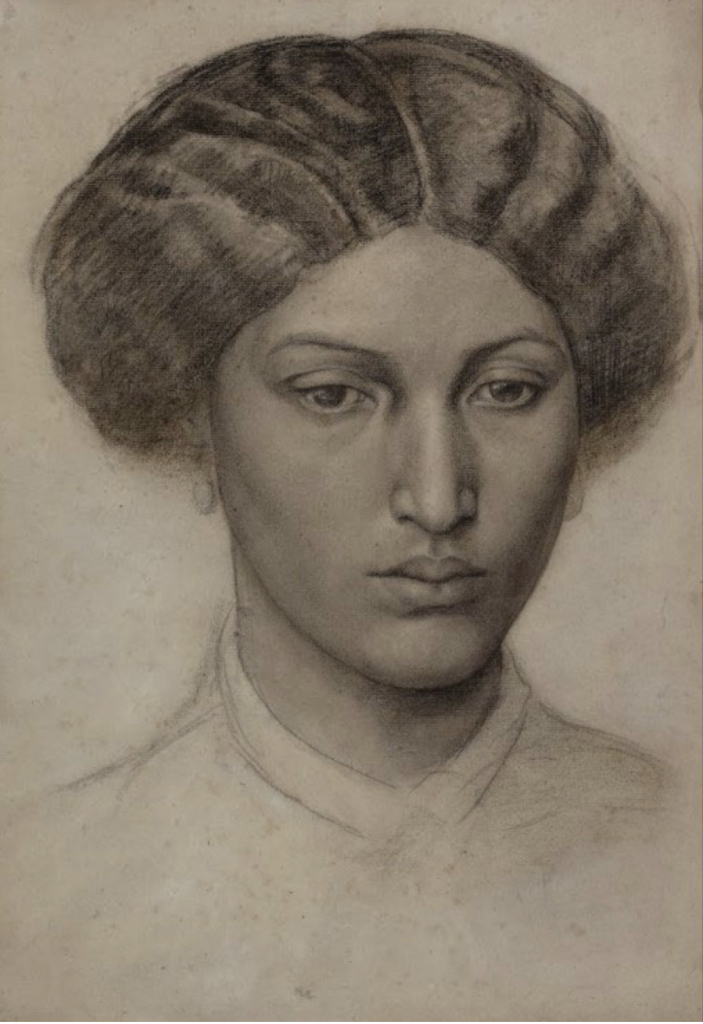
Fanny Eaton
Fanny Eaton’s presence in Pre-Raphaelite art invites us to reconsider nineteenth-century ideas about race, beauty, and visibility. A Jamaican-born model and working woman, Eaton appeared in works by artists including Simeon Solomon, Dante Gabriel Rossetti, and John Everett Millais. Her image reveals both the reach and the limits of the Victorian imagination: admired, carefully rendered, and still too often kept at the edge of the frame.
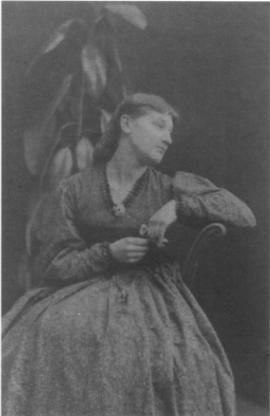
Alexa Wilding
Alexa’s beautiful face graces much of Dante Gabriel Rossetti’s later work. Struck by her beauty, Rossetti approached Alice “Alexa” Wilding as she walked home from her dressmaking job. She appeared at a fortuitous time for the artist, as his paintings of Fanny Cornforth were no longer selling as they once had.

Emma Madox Brown
Emma Hill started modeling for Ford Madox Brown around 1848—she’s actually the woman portrayed as the wife in The Last of England. Over time, their relationship grew more personal, and she became his mistress, then wife.
Frequently Asked Questions
Who were the Pre-Raphaelite women?
Pre-Raphaelite women included artists, poets, models, wives, muses, and creative partners associated with the Pre-Raphaelite Brotherhood and its wider Victorian circle. Some, like Elizabeth Siddal, Evelyn De Morgan, Marie Spartali Stillman, and Joanna Boyce, made art themselves, while others helped shape the movement’s visual identity.
Who was the most famous Pre-Raphaelite woman?
Elizabeth Siddal is one of the most famous Pre-Raphaelite women, known both as the model for Millais’ Ophelia and as an artist and poet connected to Dante Gabriel Rossetti and the wider Pre-Raphaelite circle.
Were there female Pre-Raphaelite artists?
Yes. Elizabeth Siddal, Evelyn De Morgan, Marie Spartali Stillman, Joanna Boyce, and Maria Zambaco are among the women associated with the Pre-Raphaelite circle who created art.
What is a Pre-Raphaelite muse?
A Pre-Raphaelite muse was often a model, beloved, or creative inspiration for artists in the movement. But many women described as muses were also active participants in the artistic world, with their own stories, talents, and influence.
Was Christina Rossetti a Pre-Raphaelite?
Christina Rossetti was not a painter in the Brotherhood, but she was deeply connected to the Pre-Raphaelite circle through her brothers Dante Gabriel Rossetti and William Michael Rossetti. Her poetry shares many Pre-Raphaelite interests, including symbolism, medievalism, devotion, beauty, and longing.
Why Pre-Raphaelite Women Matter
The Pre-Raphaelite Brotherhood is often introduced through its male founders: Dante Gabriel Rossetti, William Holman Hunt, and John Everett Millais. But the movement’s visual language was deeply shaped by women. Their faces became symbols of medieval longing, spiritual intensity, sensual beauty, grief, devotion, and rebellion. At the same time, several women connected to the movement made art and literature themselves, often while working against the limits placed on Victorian women.
Continue Exploring