Category: Film and Television

  • Sirens, Sorcery, and the Sea: Waterhouse’s Odyssey

    Sirens, Sorcery, and the Sea: Waterhouse’s Odyssey

    Christopher Nolan’s The Odyssey opened in cinemas on July 17th, carrying Homer’s ancient journey onto the vast scale of the IMAX screen. But long before Odysseus sailed into movie theatres, Victorian artists were imagining his world in paint, with its dangerous songs, commanding sorceresses, and uneasy encounters between curiosity and self-control. In this first post of the series, we’ll look at John William Waterhouse’s richly detailed visions of The Odyssey, and at the Victorian ideas quietly woven through them.

    Ulysses and the Sirens
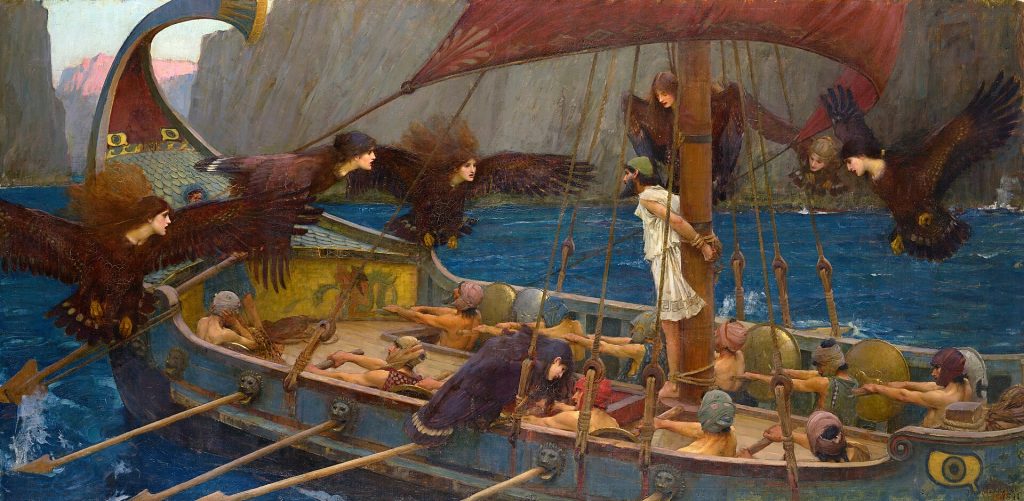
    Ulysses and the Sirens, John William Waterhouse

    Waterhouse paints Odysseus tied to the mast as bird-like Sirens approach his ship. His sailors, with their ears blocked, keep rowing.

    The painting looks at both temptation and preparation. Odysseus told his crew to block their ears so they wouldn’t hear the Sirens’ song. He wanted to listen, so he asked them to tie him to the mast so he could hear, but also be unable to steer himself or the ship into danger. Odysseus survives because he knows willpower alone isn’t enough in his situation, showing a different kind of resistance.

    Penelope and the Suitors
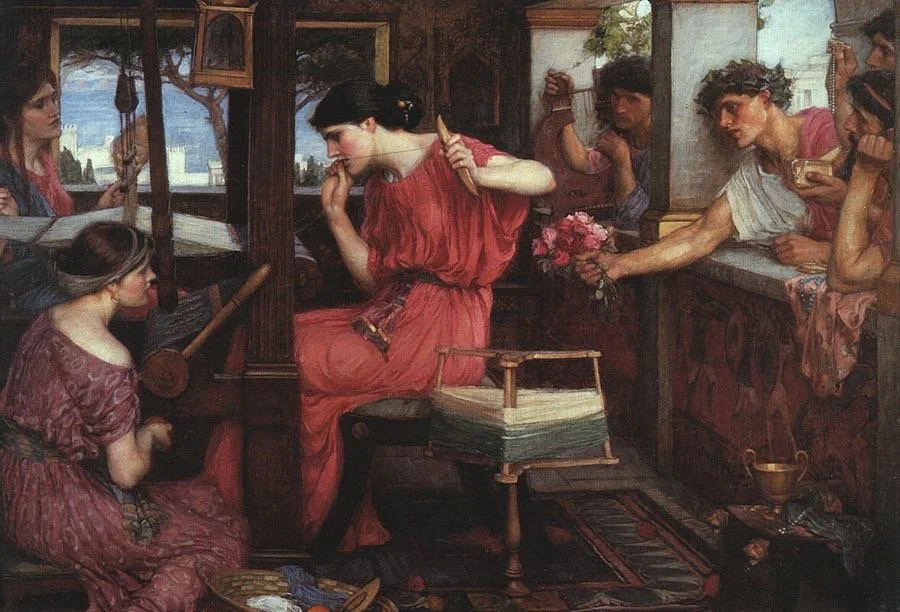
    Penelope and the Suitors, John William Waterhouse

    Penelope sits at her loom while suitors gather and offer gifts. Every day she weaves, and every night she quietly unravels her work to delay making a decision.

    Her resistance is quiet but determined. Odysseus relies on his ship, while Penelope uses her thread. Both use what they have to survive their separation.

    Circe Offering the Cup to Ulysses
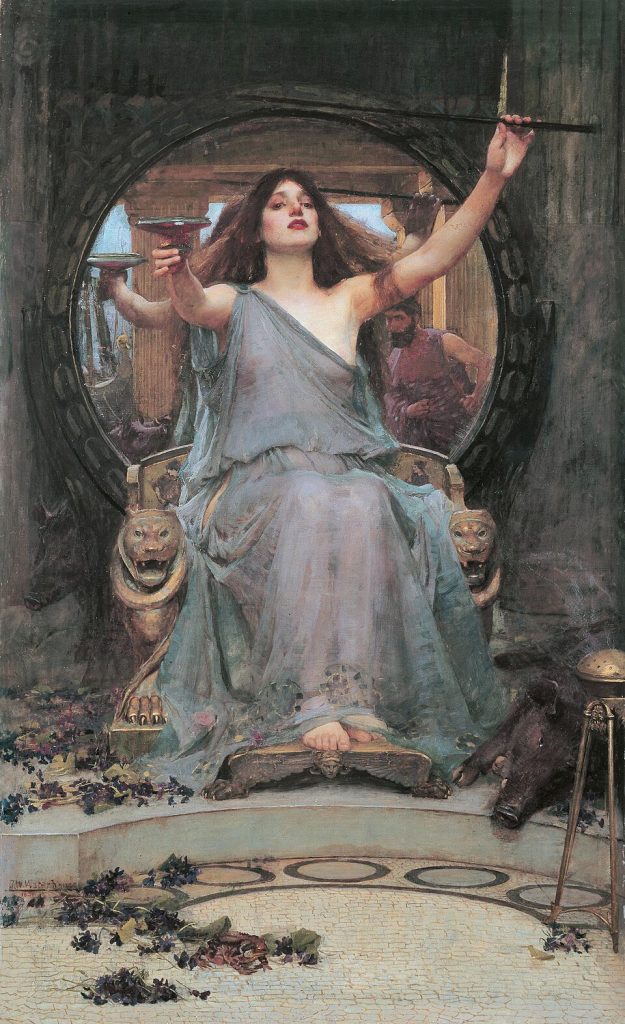
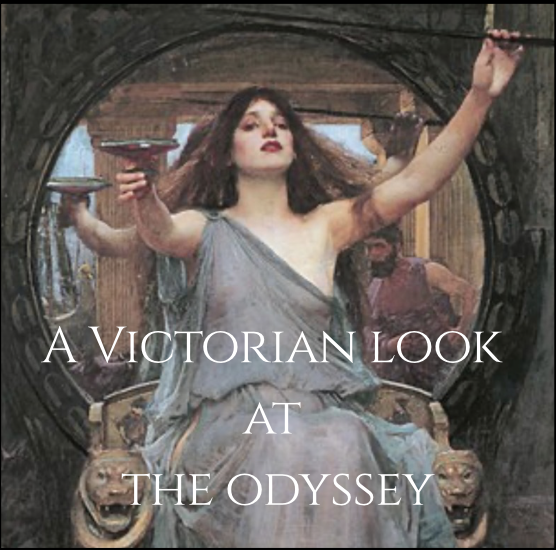
    Circe Offering the Cup to Ulysses, John William Waterhouse

    Circe looks directly at the viewer and holds out her cup. Odysseus appears only as a reflection in the mirror, while Circe controls the scene.

    Waterhouse presents her as confident and powerful. She holds the room and the viewer’s attention, shifting the painting’s focus from seduction to authority.

    Together, these paintings reveal what attracted Victorian artists to Homer: longing, self-control, resourceful women, and the perilous journey home.

    Cinema brings The Odyssey to life with movement, while painting captures the moment just before a decision. Together, they make Homer’s story of return even more dramatic.
  • The Surprise Beauty of Blanche Fury (1948)

    The Surprise Beauty of Blanche Fury (1948)

    Over the years, the term “Pre-Raphaelite” has wandered far beyond its original meaning. It’s become a modern shorthand for a dress style, a certain mood, or flowing hair.

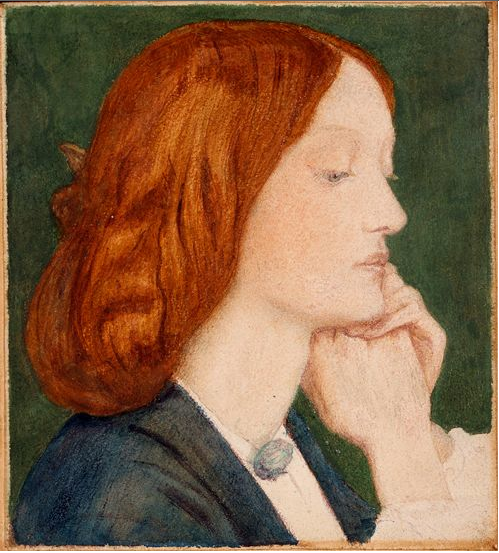
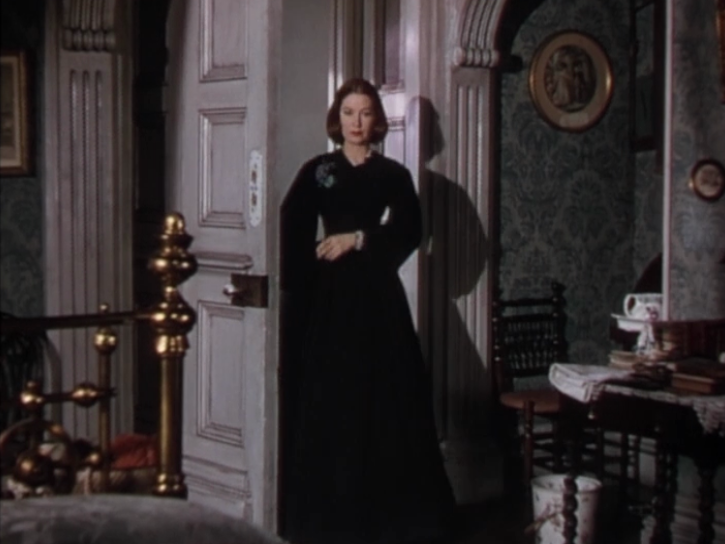
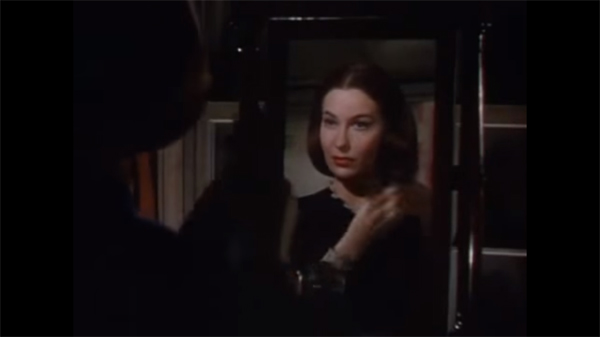
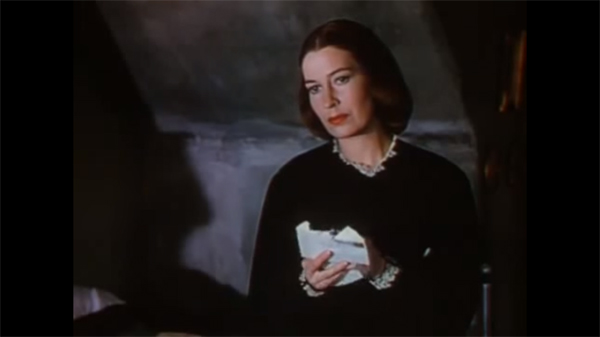
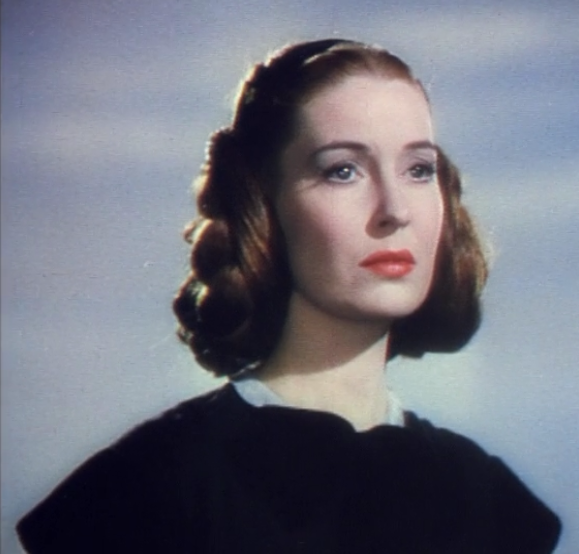
    But when watching Blanche Fury (1948), “Pre-Raphaelite” leapt to mind for a completely different reason. Instead of an abundance of loose curls, Blanche’s pinned hair falls in soft, heavy sections reminiscent of Elizabeth Siddal.

    Blanche Fury, Valerie Hobson,
    Valerie Hobson as Blanche Fury
    Elizabeth Siddal by Dante Gabriel Rossetti
    Painting of Elizabeth Siddal by Dante Gabriel Rossetti, 1854

    It’s that particular Siddal quality, as if the pins in her hair are only suggestions.

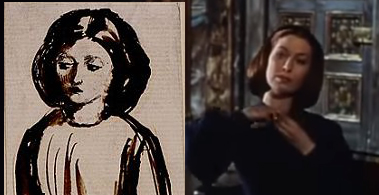
    Georgiana Burne-Jones once described Siddal’s hair as “very loosely fastened up, so that it fell in soft, heavy wings.” And that is exactly the phrase that kept whispering through my mind as I watched Blanche Fury. Blanche’s hair forms similar wings, giving the impression of weight and softness.

    Elizabeth Siddal, Valerie Hobson
    Sketch of Elizabeth Siddal by Dante Gabriel Rossetti on the left, Valerie Hobson as Blanche Fury on the right.
    Blanche Fury
    Blanche Fury
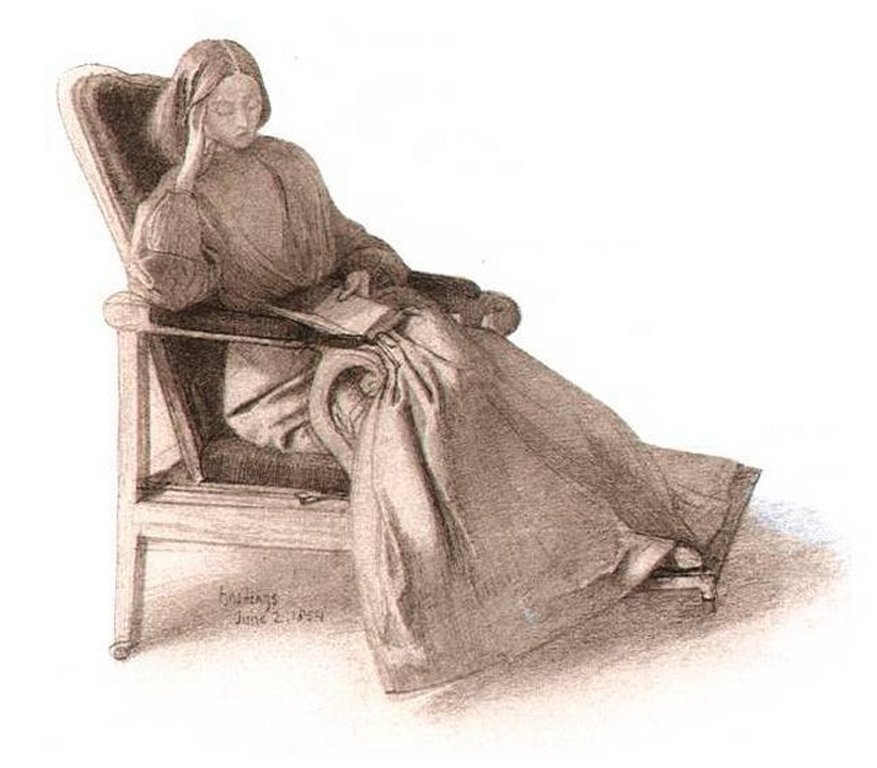
    Elizabeth Siddal
    Drawing of Elizabeth Siddal reading by Dante Gabriel Rossetti, 1854

    As for the film itself, this melodramatic gothic tale has plenty of atmosphere, but loses its grip too quickly, like a story that sets up a storm but forgot the lightning it’s been promising.

    Interestingly, the people closest to it seemed to feel something similar.

    Producer Anthony Havelock-Allen later admitted the film took too long, cost too much, and didn’t connect with audiences the way they’d hoped. He described it as a “hard” film with too much real hatred mixed in with the romance, and not enough of the lush escapism the public wanted at the time.

    Blanche Fury

    Actress Valerie Hobson, who was married to Havelock-Allen at the time (and later married the scandalous MP John Profumo) spoke about the film with tenderness. She’d just had their son, who was born with Down’s Syndrome, and she said the film was meant as a “loving gift,” a way to restore her to leading lady status, although she ultimately felt the film didn’t fully work.

    And yet: I keep thinking the plot does have strong bones.

    Which is why, despite my frequent grumbling about Hollywood’s remake machine, I can’t help imagining a retelling that actually leans into what Blanche Fury only half grasps.

    A version with real gothic bite and a heavy Pre-Raphaelite aesthetic.

    Perhaps this film needs to be reimagined.

    Blanche Fury
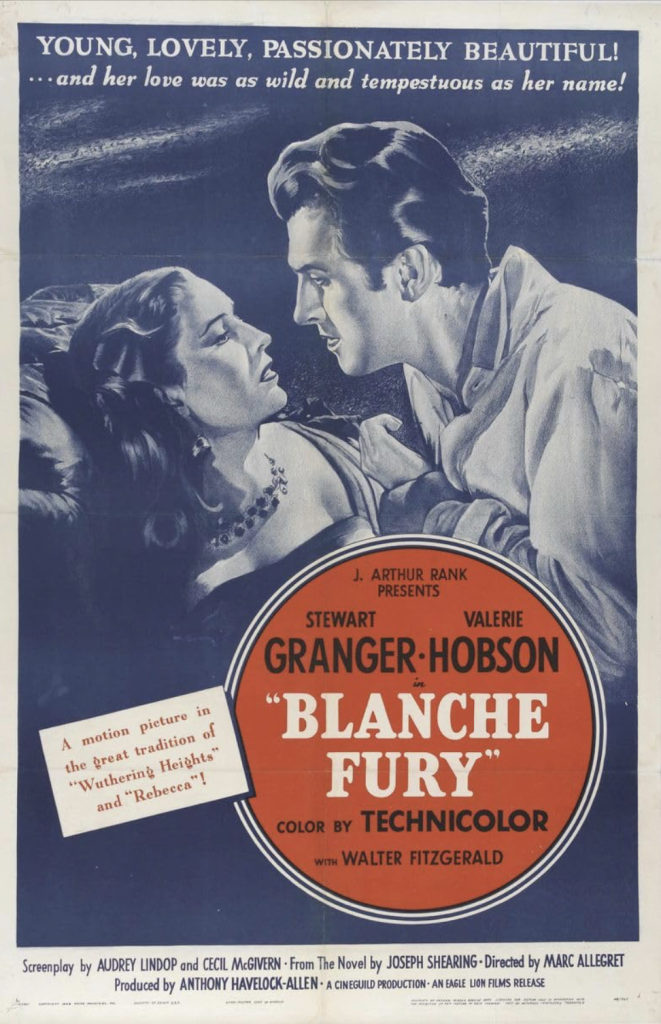
    Blanche Fury film poster