
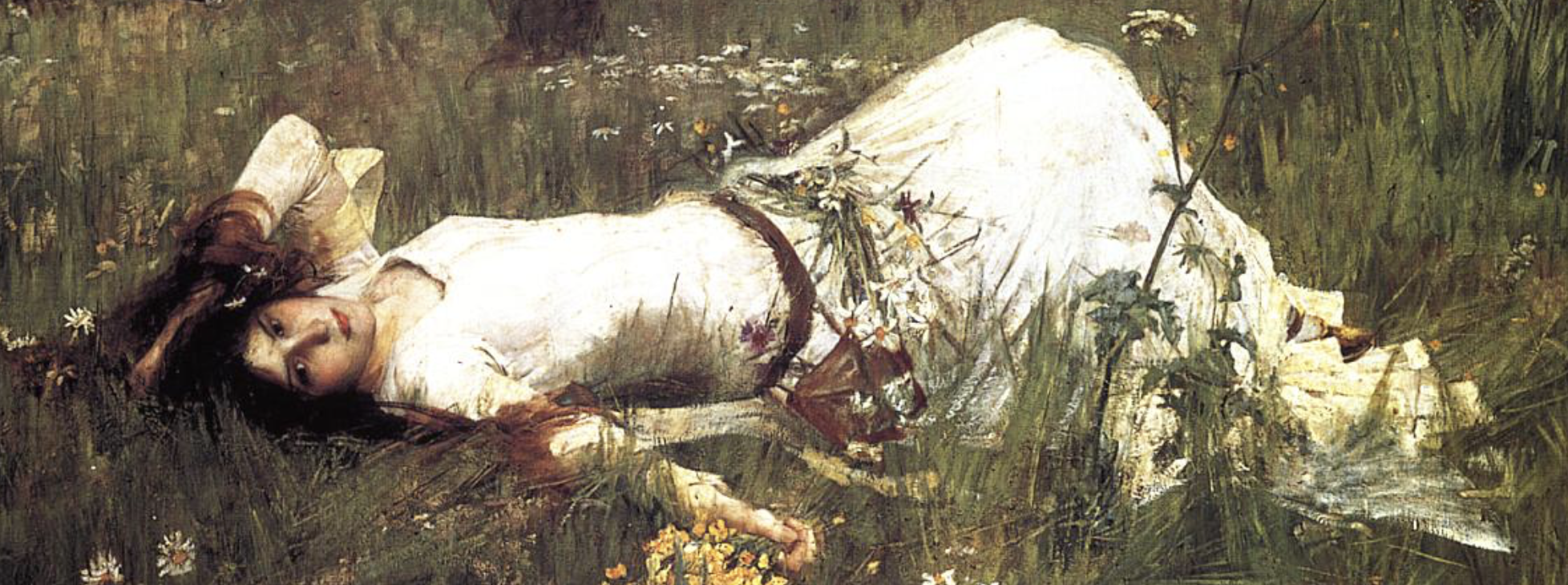
Ophelia is one of the most haunting figures in literature. She was born in Shakespeare’s Hamlet and reborn across centuries of art, poetry, film, and culture.
Her image has become a mirror in which each era sees something different: tragedy, beauty, madness, longing, resilience.
From the willow branches of Millais’ painting to modern feminist retellings, Ophelia continues to evolve, inviting us to revisit her story with new eyes. This hub gathers everything Guggums offers on her many afterlives. Her symbolism, her portrayals, her colors, and the deep cultural echoes she still carries today.
Ophelia’s Literary Origins
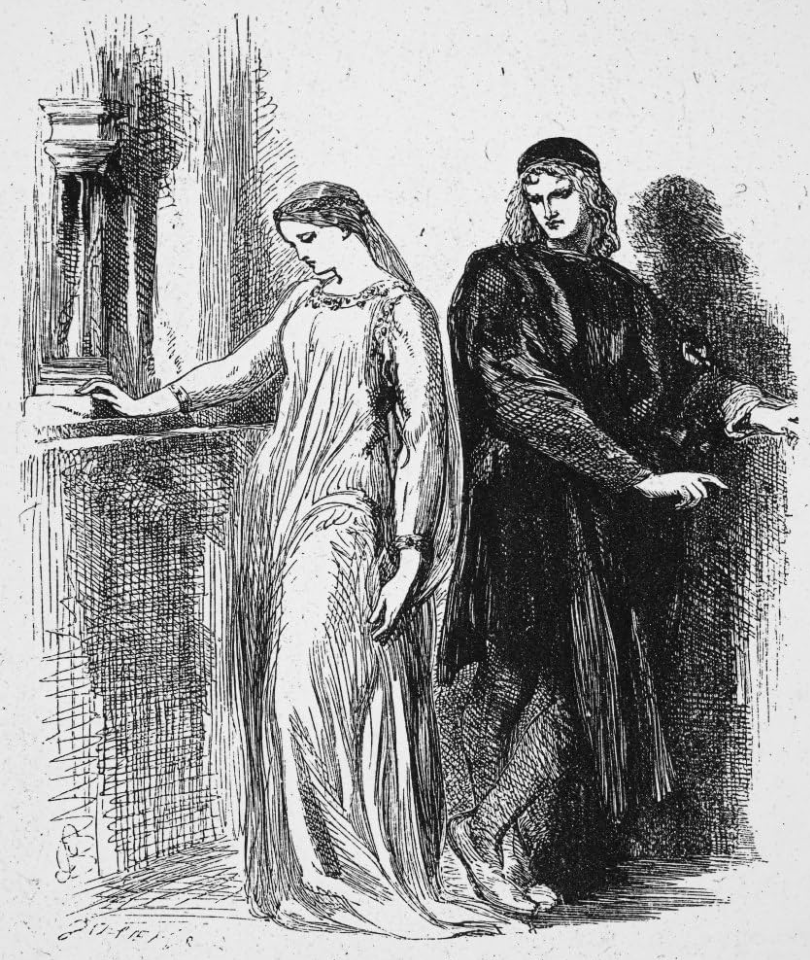
Ophelia moves through Hamlet like a quiet thread of light in a darkening world. Pressured by her father, dismissed by Hamlet, and shattered by sudden loss, her madness becomes the only language left to her. Her death embodies the tragedy of a woman unprotected, unheard, and undone by forces she could not resist.
Ophelia and the Pre-Raphaelites
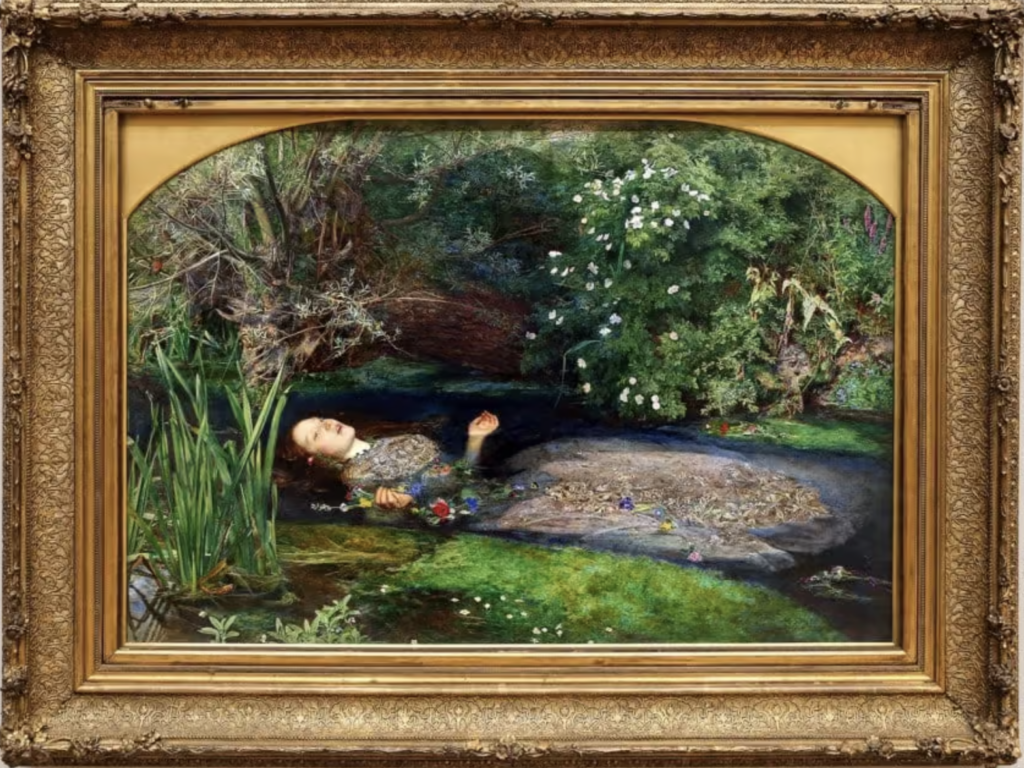
Key internal links:
- Elizabeth Siddal and Ophelia: The Merging of Myth and Muse
- Pre-Raphaelite Women Hub
- The Legacy of Millais’ Ophelia
- Ophelia Endures
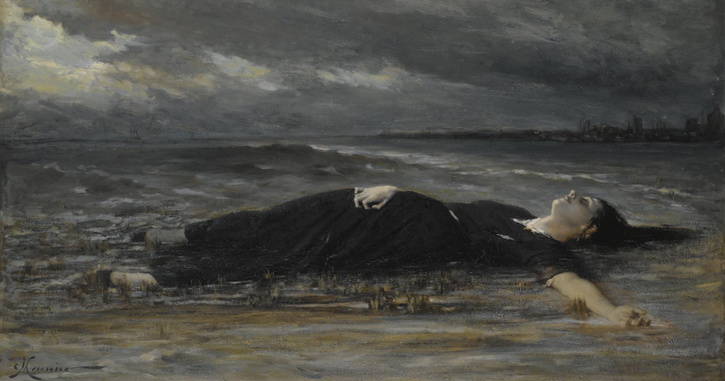
When down her weedy trophies and herself
Fell in the weeping brook. Her clothes spread wide;
And, mermaid-like, awhile they bore her up:
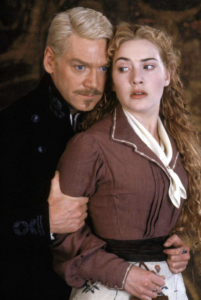
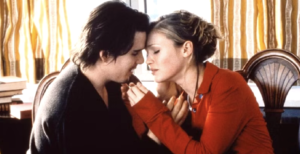
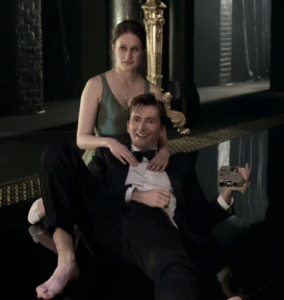
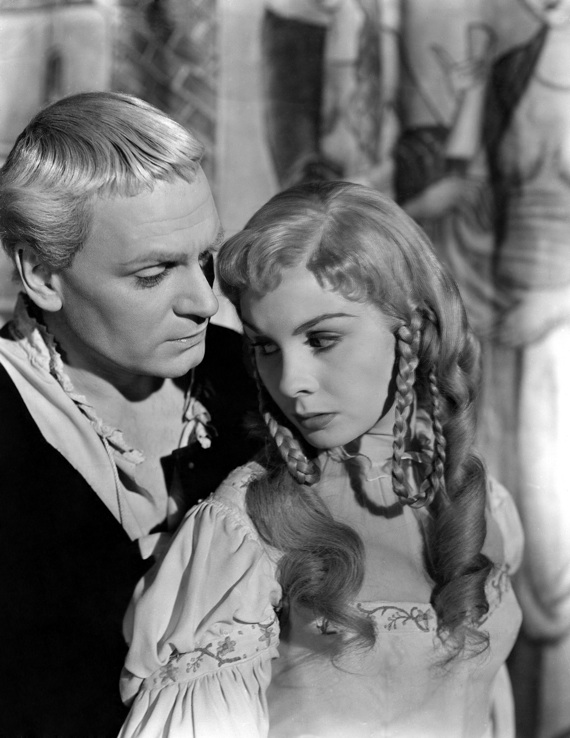
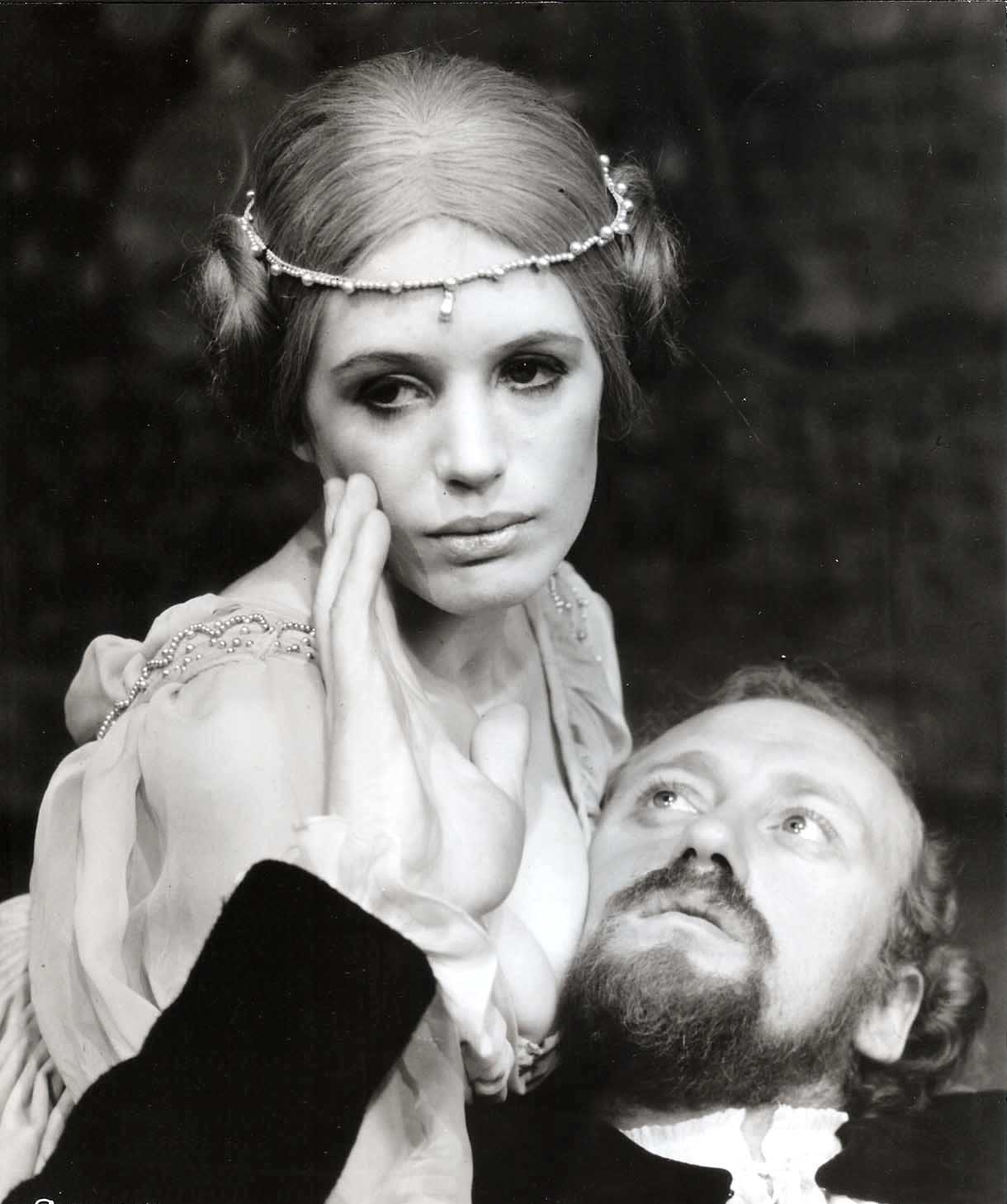
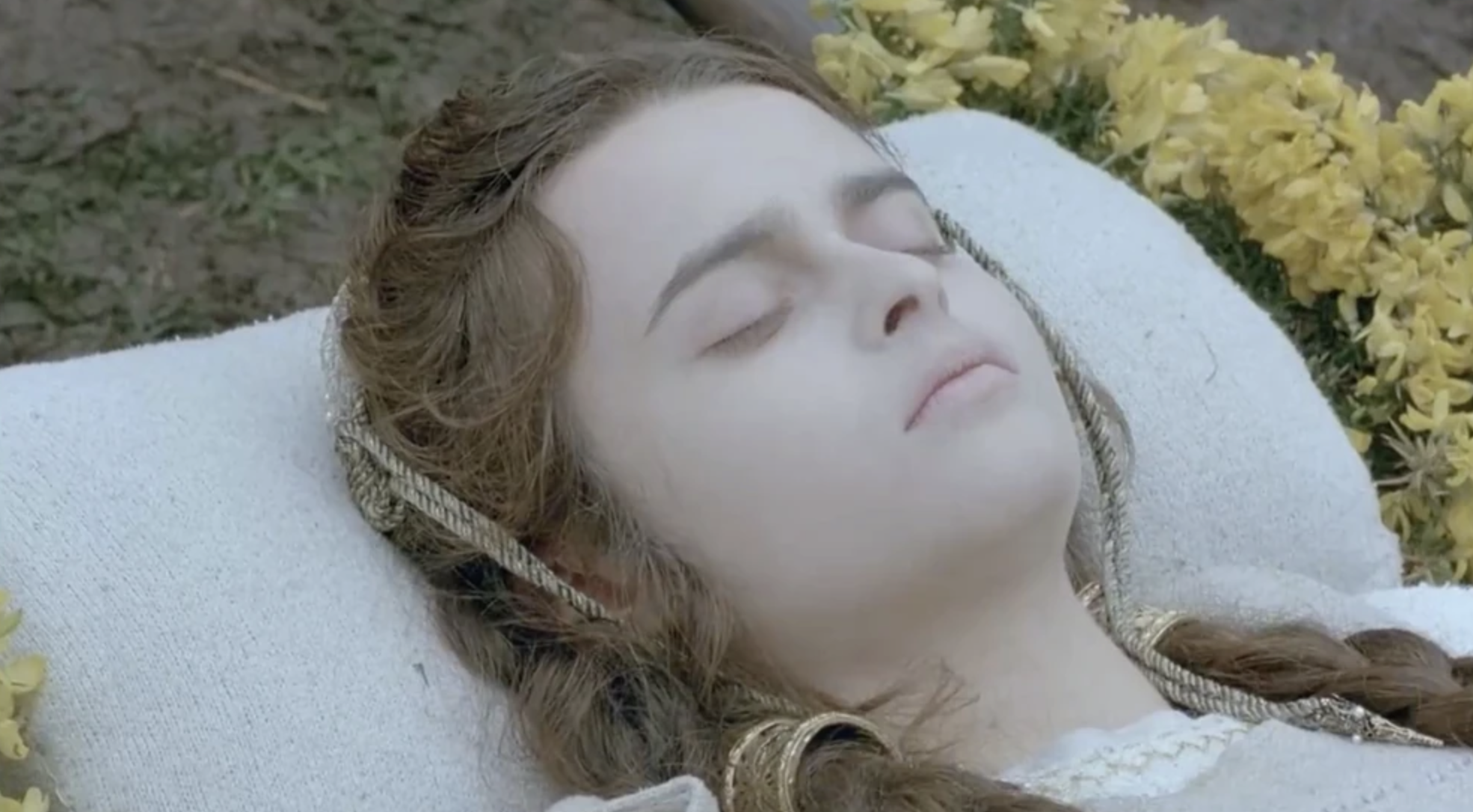
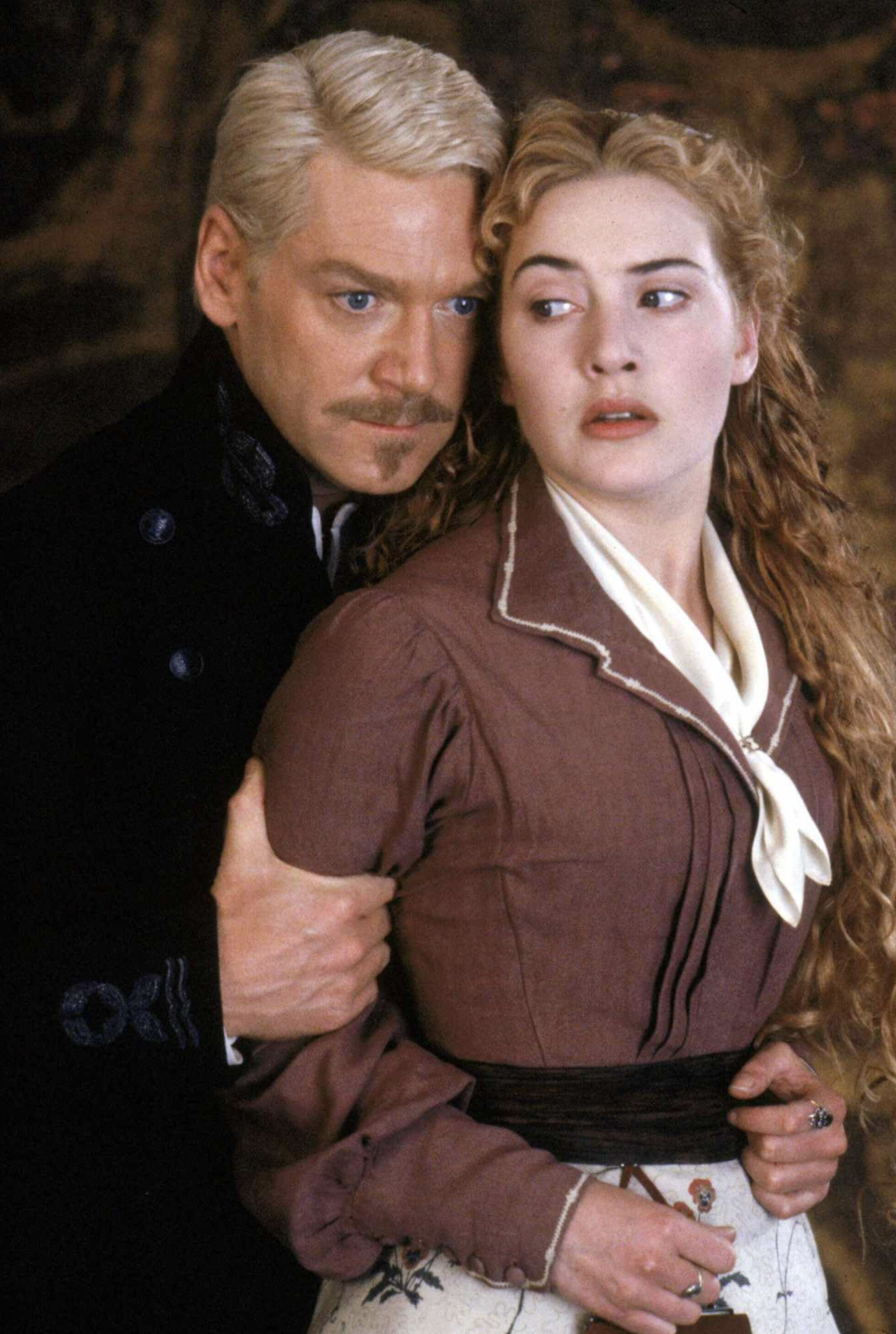
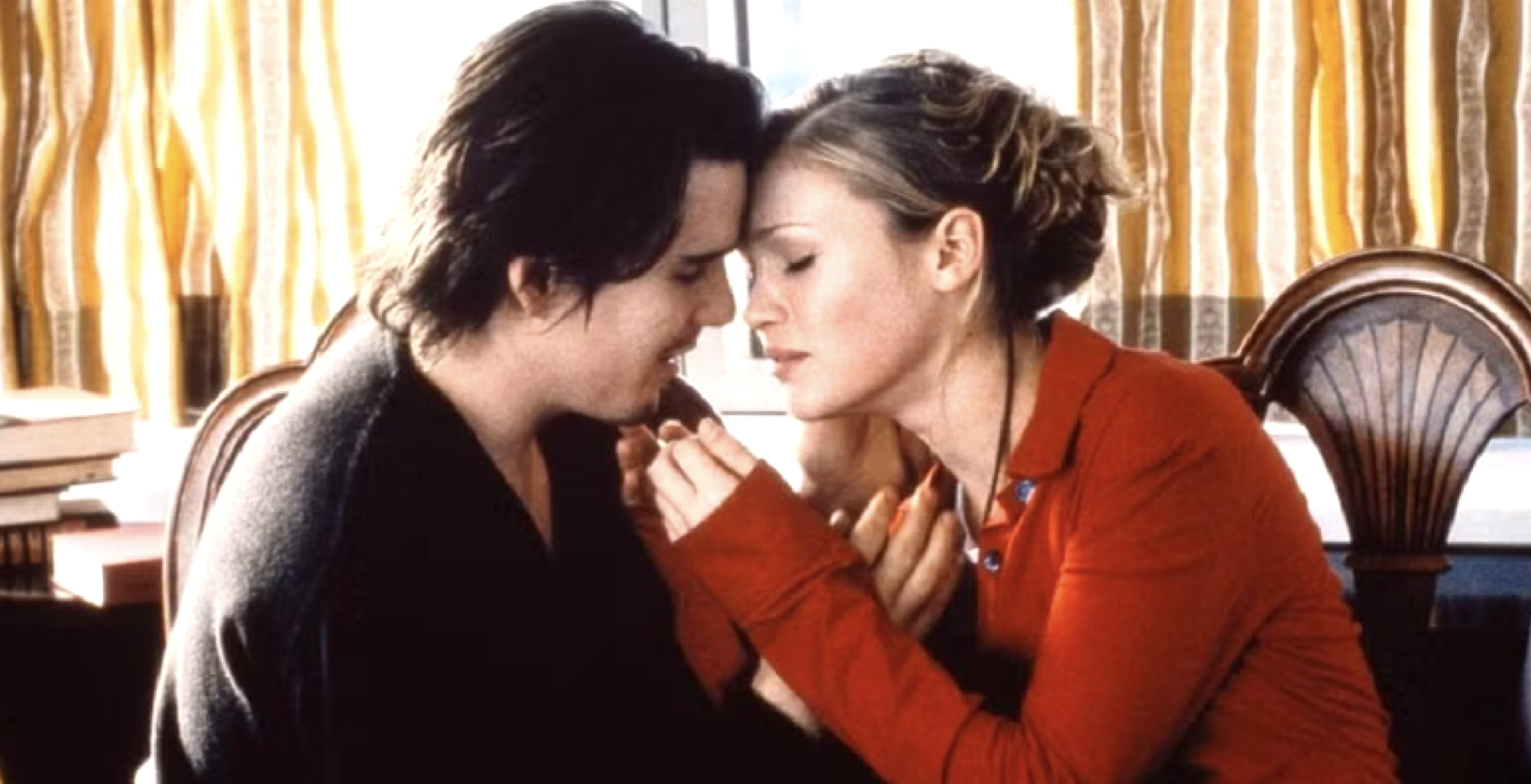
Ophelia in Film
- 1948: Jean Simmons as Ophelia, Laurence Olivier as Hamlet.
- 1969: Marianne Faithfull as Ophelia and Nicol Williamson as Hamlet
- 1990: Helena Bonham Carter, Mel Gibson as Hamlet
- 1996: Kate Winslet as Ophelia, Kenneth Brannagh as Hamlet
- 2000: a modern retelling with Julia Stiles as Ophelia and Ethan Hawke as Hamlet.
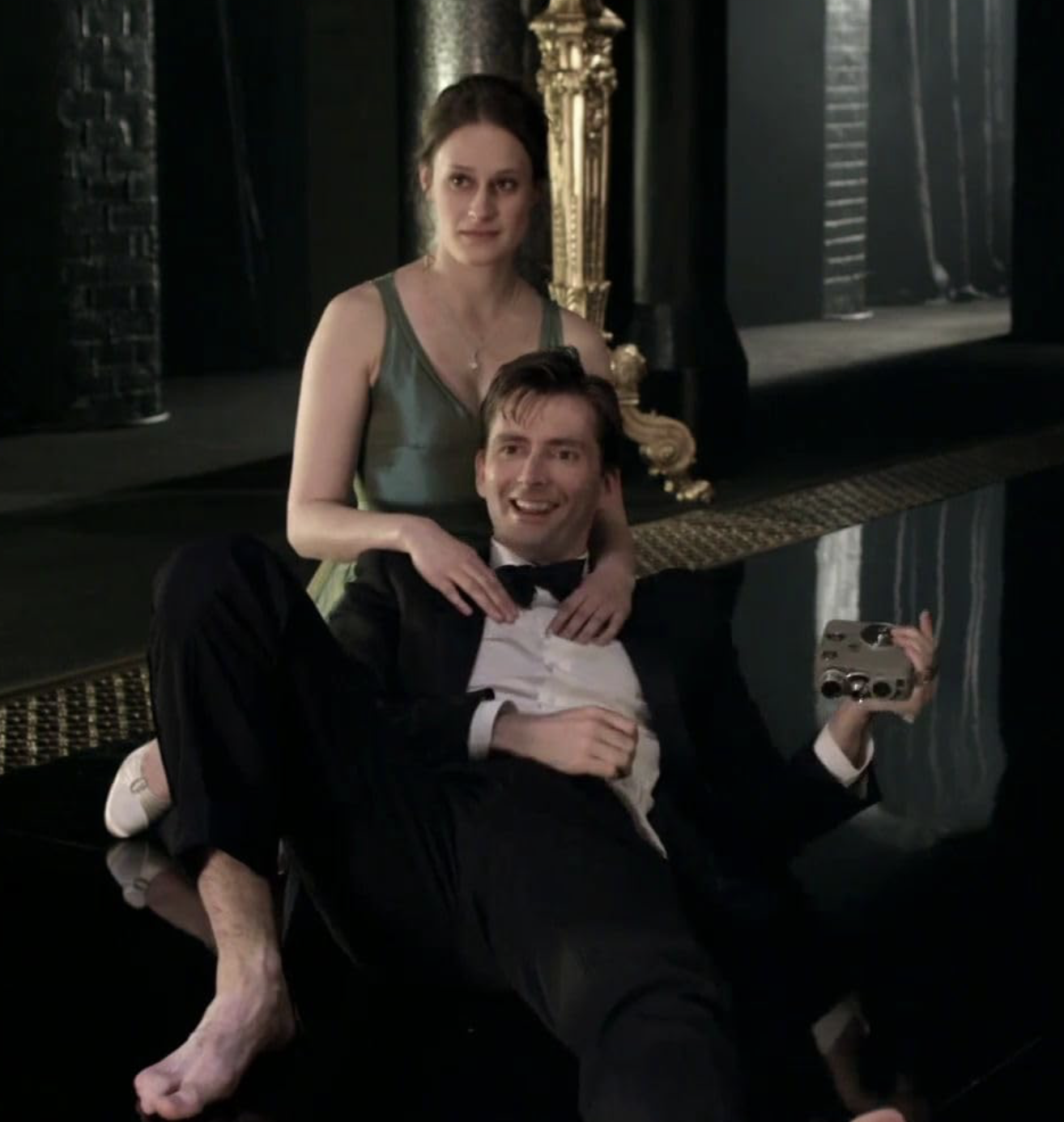
- 2009: Mariah Gale as Ophelia, David Tennant as Hamlet
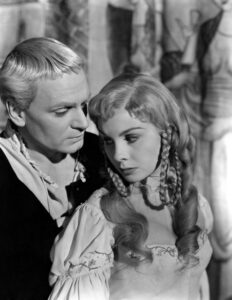
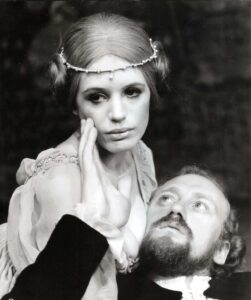
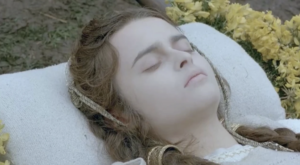
Ophelia in Modern Culture
Each generation reinterprets Ophelia through the lens of its own fears, desires, and cultural tensions. To the Victorians, she was the idealized tragic beauty; she was fragile, ethereal, and framed by flowers. In the 20th century, she became a symbol of psychological depth and feminist critique, a young woman undone not by madness but by the systems around her. Today, Ophelia surfaces in art, film, and social media as an avatar for mental health, girlhood, resistance, and reclamation.
Her image shifts because she is less a single character than a mirror: reflecting whatever a particular era most needs to confront about women, grief, and the stories we tell.
Ophelia Resources for Parents, Students, and Beginners
- How to Introduce Your Kids to Hamlet
- How to Talk to Your Kids About Ophelia
- Art Appreciation for Beginners
Conclusion
Ophelia represents the tension between silence and expression, innocence and depth, fragility and strength.
As artists and storytellers continue to reinterpret her, Ophelia becomes a way of exploring how women are seen and how they see themselves. This hub is your place to wander through her rivers, her flowers, her myths, and her many retellings. May these pages help you meet Ophelia not as a tragedy to mourn, but as a presence that still speaks, still shifts, and still inspires.