Author: Stephanie Chatfield

  • How to Introduce Your Children to Victorian Art

    How to Introduce Your Children to Victorian Art

    Introducing kids to Victorian art isn’t about lectures or timelines; it’s about opening a window into a world where stories glow in color, details brim with meaning, and imagination runs gloriously wild.

    Ultimately, Victorian art, especially the works of the Pre-Raphaelites, offers exactly the kind of visual richness children instinctively respond to. It’s theatrical and emotional. Art of the 19th Century is filled with hidden objects, dramatic gestures, fairy tale settings, animals, flowers, myths, and expressive faces. In other words: it’s perfect for kids.

    Here are a few ways to share the magic with them.

    Start With the Stories

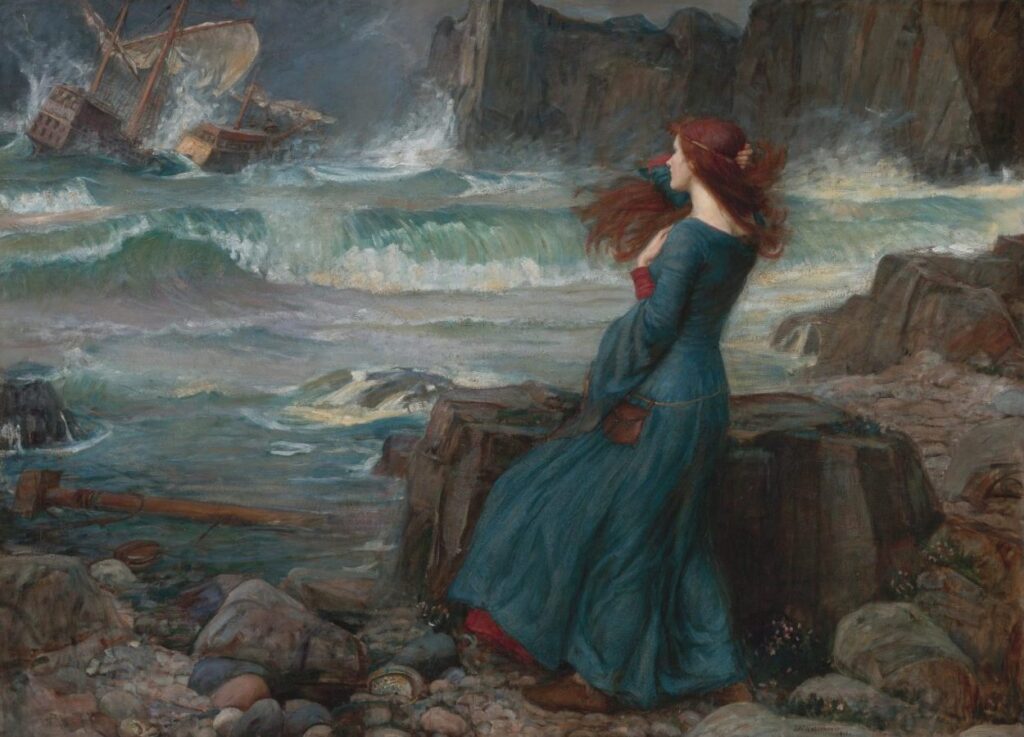
    Miranda by John William Waterhouse is based on Shakespeare’s play The Tempest.

    Victorian art is steeped in storytelling. There’s no need to begin with technical art terms. Start with the narrative.

    Ask questions like:

    • “What do you think is happening here?”
    • “Who do you think this person is?”
    • “What do you see first?”
    • “What would happen next if this painting were a book?”

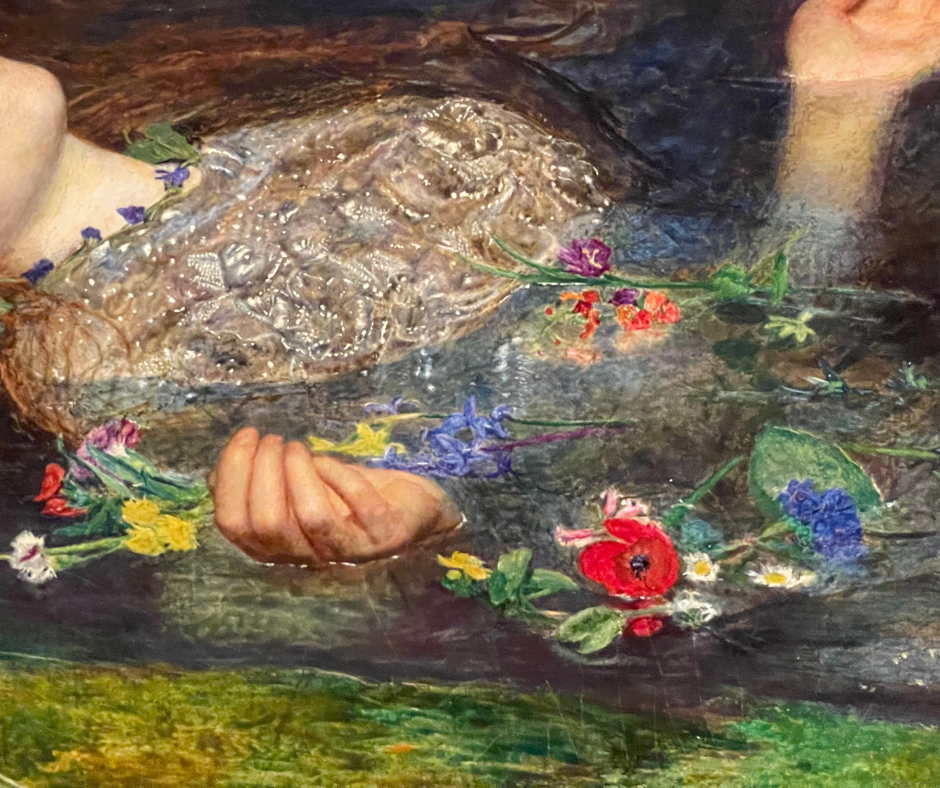
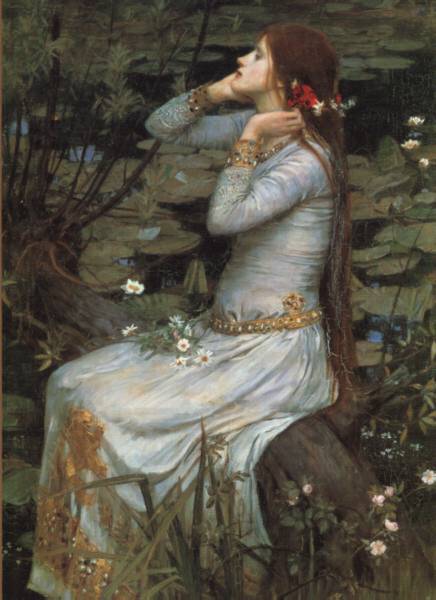
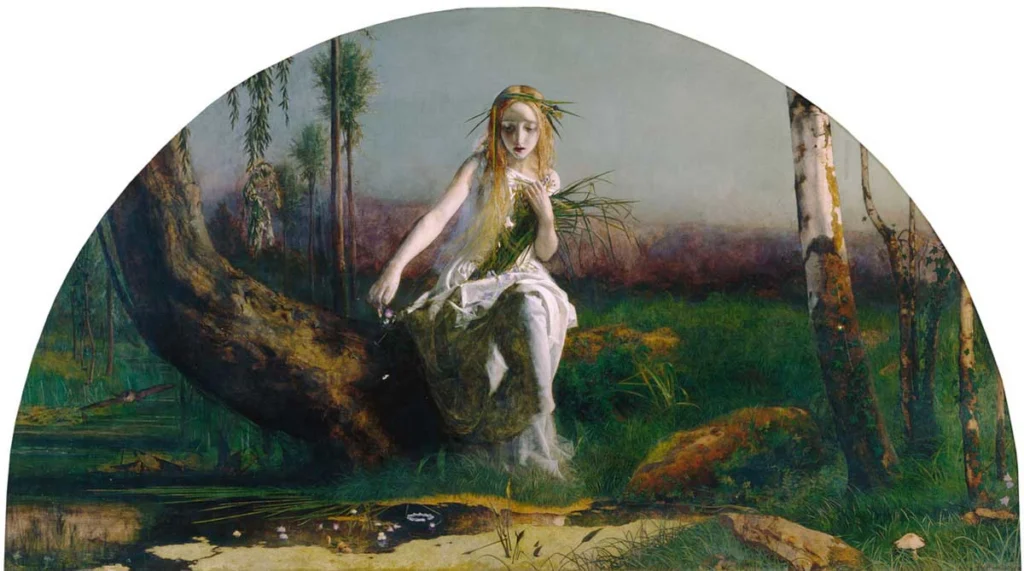
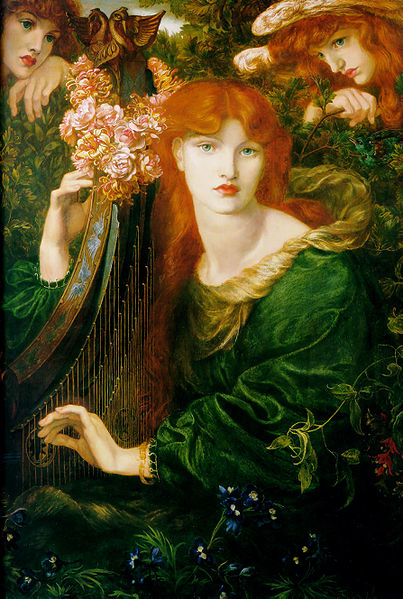
    Works like Millais’ Ophelia, Rossetti’s The Day-Dream, Holman Hunt’s The Lady of Shalott, and Waterhouse’s The Soul of the Rose are just a few examples of works that instantly invite storytelling. Children naturally fill in the gaps.

    Victorian painters adored literature and tales of fairy tales, medieval romances, Shakespeare, Tennyson. Children adore stories, too. This is your bridge.

    The Day-Dream, Dante Gabriel Rossetti

    Notice the Details (Victorian Artists Loved Them)

    Pia de Tolomei, Rossetti
    Pia de Tolomei, Dante Gabriel Rossetti (1868).

    Victorian artists painted like detectives: every blossom, book, feather, gesture, and ray of light meant something.

    Encourage your kids to:

    • Describe any jewelry or interesting items, such as furniture
    • Spot animals, insects, or flowers
    • Count objects
    • Search for symbols
    • Notice clothing or expression changes

    Turn a painting into a treasure hunt. Suddenly, Victorian art becomes interactive rather than dusty.

    Connect Art to Nature

    The Blind Girl, Millais
    The Blind Girl, Sir John Everett Millais

    The Victorians, especially the Pre-Raphaelites, were obsessed with nature. They painted outdoors, studied plants, and described leaves and flowers with botanical accuracy.

    Bring art into the physical world:

    • Go on a nature walk and find leaves that match the paintings
    • Bring a book of flowers and identify what’s in Ophelia’s hands
    • Compare real petals to Waterhouse’s roses
    • Sketch outside like Millais or Rossetti
    • Collect and press flowers in a book

    Art becomes less like a museum label and more like a living, breathing world they can step into.

    Encourage Them to Make Their Own Victorian Inspired Art

    Littlefootpage 1
    The Little Foot Page, Eleanor Fortescue Brickdale

    Children should experience the art in their hands, not just their eyes.

    Ideas:

    • Paint or draw using muted Victorian palettes (moss green, rose, gold, sky blue)
    • Create a portrait of a favorite toy “Victorian style”
    • Illustrate their own myth or fairy tale
    • Make a paper crown for a Pre-Raphaelite hero or heroine
    • Try watercolors to capture “dreamy” soft light
    • Copy a tiny corner of a larger painting

    Art becomes play… and play becomes understanding.

    Use Children’s Books and Kid-Friendly Resources

    An iconic Victorian book illustration: The White Rabbit, John Tenniel, Alice in Wonderland

    Victorian art pairs beautifully with:

    • Illustrated storybooks
    • Mythology or fairy-tale collections
    • Short bios of artists
    • Kid-friendly museum guides
    • Graphic novel versions of classics

    If your child enjoys Greek myths or fairy tales, Victorian art’s interpretations of those stories will feel like natural extensions.

    Visit a Museum (or Create a “Home Museum”)

    Children thrive when art is an experience

    At a museum:

    • Visit one or two Victorian paintings, not twenty
    • Spend time with a single artwork and talk about it
    • Encourage them to find “their favorite detail”
    • Bring a notebook and let them sketch quietly

    At home:

    • Print a few paintings and hang them at kid-eye level. Or use postcards; there are so many gorgeous postcards of paintings available online.
    • Make a rotating “gallery wall”
    • Have a weekly “choose a painting” ritual
    • Use the prints as inspiration for bedtime stories. You can take turns making up your own stories about paintings, no doubt your children can thrill you with their own imaginative tales!

    Victorian art becomes familiar, comforting, and part of the daily fabric of life.

    Talk About Feelings, Not Facts

    The Vale of Rest
    The Vale of Rest, Sir John Everett Millais

    Children don’t need dates or movements, that can come later, if they want. Right now, they need connection.

    Ask:

    • “How does this picture make you feel?”
    • “What do you think she’s thinking?”
    • “Does this scene look calm? Sad? Exciting?”
    • “Which character would you be?”

    Victorian artists loved depicting emotions such as longing, courage, frustration, hope, curiosity, enchantment. Children instinctively read these expressions and respond with honesty.

    Let the Art Be a Conversation Starter

    Victorian art opens gentle doors to big topics:

    • Why do people tell stories?
    • Why do artists make things beautiful?
    • What makes a hero?
    • What is imagination?
    • Why do we look at art at all?

    Art is a safe, effective way of talking about life. Go for it!

    Introducing your children to Victorian art isn’t about building mini art historians (unless that’s what they want!), it’s about giving them a set of eyes that notice beauty, pattern, emotion, and story. The Victorians believed art should enrich the spirit, awaken empathy, and spark the imagination and that’s a perfect recipe to capture your child’s wonder!

    Midsummer Eve, Edward Robert Hughes

  • How to Create Color Palettes From Your Favorite Art

    How to Create Color Palettes From Your Favorite Art

    One of the quiet joys of loving art is realizing that the colors that move you on a canvas can just as easily shape your home, wardrobe, creative projects, or even the mood of a season in your life. Art is full of palettes and harmonies chosen with intention, emotion, symbolism, and we can use those as a catalyst for our own creativity.

    Here’s how to lift color directly from the paintings you love and weave it into your everyday world.

    Start With a Painting You Love

    You know the one. The image you keep returning to. The one you’ve saved, bookmarked, printed, or dreamed about. That painting is your color anchor.

    Ask yourself:

    • What emotion does this painting create?
    • What part of the painting do you love most? Is it the background? The clothing? Perhaps the foliage?
    • Are you drawn to the bright tones or the shadows? Or both?

    You’re looking for the feeling the painting gives you. The palette will come from that.

    Look for the “Three Key Colors”

    You can definitely expand your palette to more (as I have done in a couple of palettes in this post) but to start, recognize that every painting basically has three dominant color stories:

    • A base color (the tone that fills most of the canvas, often a background or environmental color)
    • An accent color (the hue that often catches your eye first)
    • A shadow or grounding color (the deeper tone that gives the painting weight)
    Ophelia In Frame
    Ophelia, Sir John Everett Millais

    For Millais’ Ophelia, for example:

    • Base: earthy greens
    • Accent: water-blues and her embroidered dress
    • Shadow: soft browns and dark riverbank tones

    Once you know these three, you can build a usable palette instantly.

    Use Digital Tools to Pull Exact Color Values

    If you want the precise hex codes (perfect for design, branding, or digital art), try:

    Upload the artwork and click on sections you love. Suddenly you have hex codes, CMYK values, RGB builds, the whole palette distilled from a brushstroke.

    You can even create a swatch card labeled “Ophelia Greens” or “Rossetti Reds.”

    Screenshot of the Coolors.co palette generator in action. The painting used is The Woodsman’s Daughter by Sir John Everett Millais

    Pay Attention to Neutrals

    We often fixate on the brightest colors, but the neutrals are what make a palette powerful. Think:

    • the ivory of skin tones
    • the soft shadows under fabric folds
    • the misty haze behind a figure
    • the warm umber undertones in old oil paintings

    These subtle hues keep the palette grounded and wearable, literally and aesthetically.

    Screenshot of Coolors.com image picker using Burne-Jones’ Zephyr and Psyche

    Here’s a palette I created using Circe Indvidiosa by John William Waterhouse. This is a stunning image filled with hypnotic greens and using a color picker tool, you can isolate specific hues and generate a HEX code for each one. You can then use the HEX codes when creating your own graphic designs.

    Decide How You Want to Use the Palette

    Once you’ve extracted your colors, translate them into real world uses:

    For your home:

    Use the base color on walls or linens, the accent color for pillows or artwork, and the shadow color for furniture or frames.

    For fashion & personal style:

    Your accent becomes a statement piece; your base becomes everyday wear; your shadow becomes the depth in accessories or outer layers.

    For creative projects:

    Apply the palette to your branding, illustrations, social media graphics, or journaling spreads.

    For mood setting:

    Let the colors shape your flowers, candles, playlists, even your makeup.

    Color As An Act of Mindful Devotion

    When you build a palette from artwork you love, you’re entering a conversation with the piece. It’s as if you’re saying:

    I see you. I see what you’re made of. Let me carry a part of you into my own world.

    Whether you’re designing, studying, journaling, or dreaming, color can be a bridge between past and present, between the Pre-Raphaelites and our modern creative lives..

    Make It Your Own

    Once you’ve gathered your palette, treat it like a box of magical crayons. Nudge the saturation, gently brighten the tones, let the colors dance a little. You’re not trying to recreate the painting, you’re borrowing its heartbeat and letting it hum through your own world.

    Most of all, remember: color is meant to be played with! So go ahead! Experiment, delight, and enjoy every luminous minute of it.

  • Art Appreciation for Beginners

    Art Appreciation for Beginners

    Art appreciation can feel intimidating from the outside, full of dates and movements and names you’re worried you’ll pronounce wrong.

    But it’s not an exclusive club. It’s a conversation. And it is absolutely open to anyone who is curious.

    This is a gentle guide for people who want to begin with a sense of welcome. A soft invitation into a world that has shaped cultures, sparked revolutions, and whispered truths across centuries.

    Flaming June
    Flaming June, Frederic Leighton

    Begin With What Moves You

    Start with the pieces that make you stop for a moment, noticing a feeling or a thought you didn’t expect.

    Maybe it’s:

    • a single painting you can’t stop looking at (or thinking about.)
    • a color that feels like home
    • a story behind a portrait
    • a sculpture that makes you wonder
    • or even a meme that made you laugh and realize, “Wait, this is art?”

    Open with your own spark.
    Let curiosity lead you.
    The best journeys always begin that way.

    Stephanie Chatfield, author of guggums.com with Sargent's Lady Macbeth (Tate Britain)
    Visiting one of my favorite works, Dame Ellen Terry as Lady Macbeth, painted by John Singer Sargent (Tate Britain)

    There Are Many Ways to Look at Art

    Some people approach art analytically, studying technique and composition. Others are drawn to symbolism and story. Many simply stand before a painting and feel a spark of recognition or stillness. Seeing art in person can be transformative, but not everyone can travel to museums, and that’s okay. Art meets us wherever we are: in books, on screens, in community spaces, or in the sudden moment an image lingers with us long after.

    All of these experiences are valid. You might decode a picture like a puzzle, or let it wash over you. Some works ask for analysis; others simply sit beside you, quiet and companionable.

    Art is not a test.

    It’s an experience.

    Stories Are the Easiest Way In

    Every piece of art was made by a person living through something, whether it was joy, grief, desire, fear, or simply boredom, their experience informed their work.

    Learning their stories opens a door for you, inviting you to take part of the dance between artist and viewer.

    Ask:

    • Who made this?
    • What was happening in their life?
    • What did they hope people would see?
    • What were they afraid people would see?
    • Who were they painting for?

    You don’t need to memorize biographies.
    Just follow the thread of humanity.
    It’s there. It’s always there.

    Madonna and Child, Westminster Abbey
    Madonna and Child, Westminster Abbey

    Details Speak Volumes

    When you look at a painting, try noticing just one small thing:

    • the way light hits a shoulder
    • the choice of a flower
    • a gesture of the hand
    • shadows that don’t quite match
    • clothing that tells a story

    These details are like whispers from the artist across time. Once you start noticing them, art becomes infinitely richer.

    Edmund Dulac, the bells
    Illustration from The Bells and Other Poems, Edmund Dulac

    Let Your Emotions Be Part of the Process

    Appreciating art is not only about intellect, it’s about feeling.

    Ask yourself:

    • What emotion rises first?
    • Do the colors comfort or unsettle me?
    • What story do I see here?

    You’re allowed to bring your whole, complicated human self into the experience. In fact, you must.

    Explore Slowly; No Need For a Syllabus

    One painting will lead you to another. One artist will introduce you to their circle. One movement will spark curiosity about what came before or after.

    Follow:

    • threads
    • fascinations
    • moods
    • themes
    • moments of “Wait, who is that?”

    Experience work not through rigid order, but through curiosity.

    soir bleu, Edward Hopper
    Soir Bleu, Edward Hopper

    Start With Artists Who Make You Feel Something

    If you need ideas, these are beautiful entry points for beginners:

    They are welcoming artists, generous artists, who reward even the briefest attention.

    Or take a moment to ponder how we approach conventional standards of beauty in my post Rethinking Rossetti.

    Art History Belongs to You Too

    One of the greatest myths is that art history is reserved for experts. The truth is that art has always been meant for all people. It was created to be seen, felt, interpreted, misinterpreted, loved, questioned, treasured.

    You don’t need credentials to experience beauty.
    Or training to feel wonder.
    No one needs permission to fall in love with a painting.

    All you need is openness. And a little time.

    Tate Britain
    A visit to Tate Britain

    The point is not to master a timeline but to join a lineage of looking, a lineage of people who believed beauty was worth paying attention to.

    Art meets you exactly where you are, there’s no pretense and no prerequisites. And if you allow it to linger with you, it will shape you in subtle ways, that may only whisper their presence years later.

    “The first step in any encounter with art is to do nothing, to just watch, giving your eye a chance to absorb all that’s there. We shouldn’t think “This is good,” or “This is bad,” or “This is a Baroque picture which means X, Y, Z.” Ideally, for the first minute we shouldn’t think at all. Art needs time to perform its work on us.” Patrick Bringley, All the Beauty in the World: The Metropolitan Museum of Art and Me

    If you’re interested in digging deeper into art here at Guggums, you may enjoy The Legacy of Millais’ Ophelia or William Holman Hunt: Visionary of Pre-Raphaelite Symbolism.

  • Seeing Clearly: Pre-Raphaelite Thanksgiving Thoughts

    Seeing Clearly: Pre-Raphaelite Thanksgiving Thoughts

    Thanksgiving can be a complicated holiday here in America. For many, it’s a day of gratitude, connection, and familiar rituals; for others, it carries the weight of history, mythmaking, and stories that have been smoothed over until they no longer resemble the truth.

    The holidays arrive as a season of gathering for some, a warm anticipation of family and tradition, while for others it sharpens the quiet ache of the loved ones who are no longer here to share the table.

    The Convalescent, Portrait of the Artist’s Wife, Ford Madox Brown

    I’ve been thinking about this duality lately. It’s a tension between celebration and clarity, and I found myself turning, as usual, to the Pre-Raphaelites.

    The Pre-Raphaelite Brotherhood were many things. Rebels, idealists, dreamers. But above all, they were committed to seeing clearly.

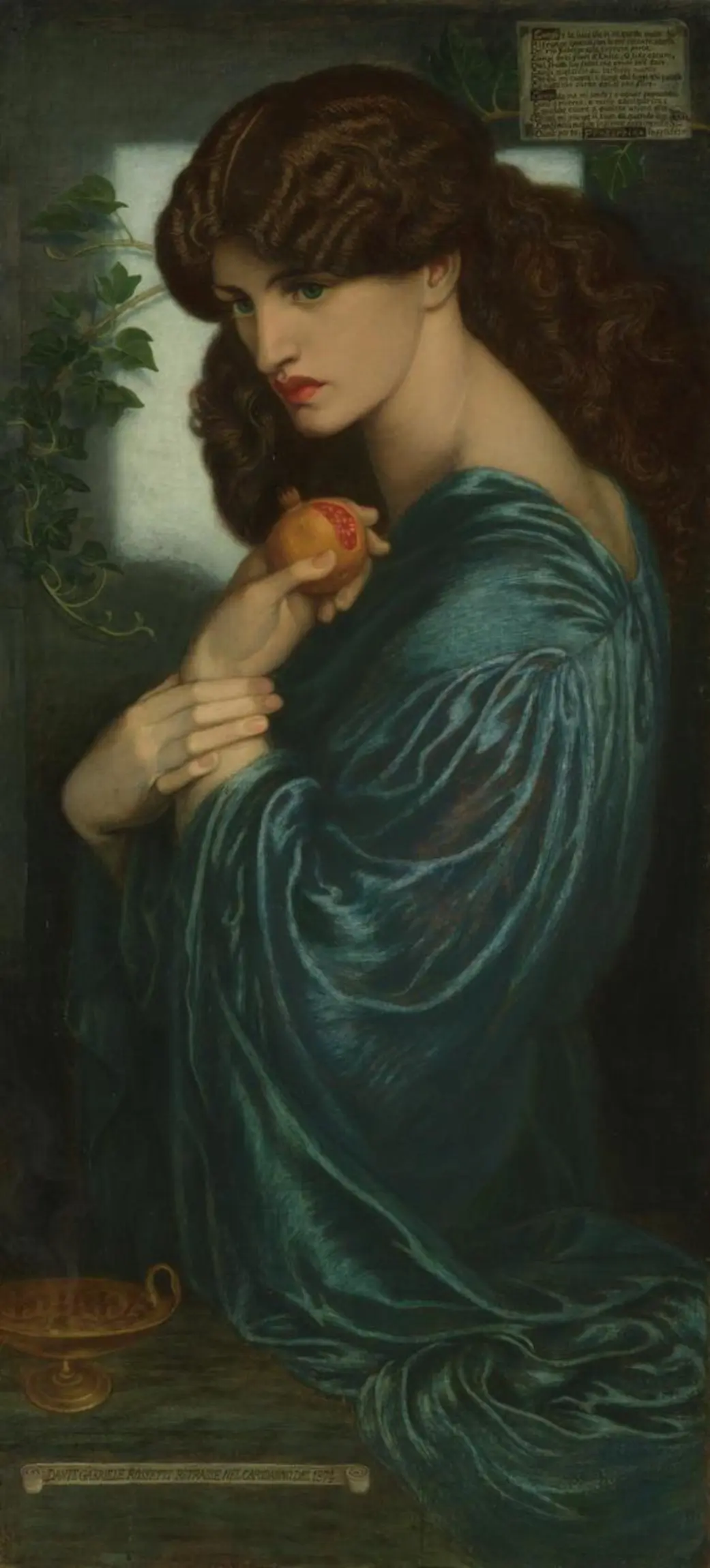
    They painted nature not as polite background decoration but as something fierce, vivid, and honest. Every leaf in Ophelia, every seed in Proserpines pomegranate, every folded petal in the Pre-Raphaelite Brotherhood’s luminous portraits was rendered with an almost devotional attention.

    For Pre-Raphaelite artists, beauty was not an escape from truth but a companion to it.

    Dante Gabriel Rossetti   Proserpine   Google Art Project
    Proserpine, Dante Gabriel Rossetti

    It strikes me that this approach might serve us well during Thanksgiving.

    Rather than mythologizing the holiday, perhaps we can approach it the way the Pre-Raphaelites tried to approach the world around them:
    with honesty, reflection, and a desire to see clearly.

    Seeing clearly doesn’t mean rejecting the comfort of the day. It simply means holding the whole picture, with its history, its contradictions, its beauty, as an invitation to pause.

    It means acknowledging that gratitude and grief often share the same table.

    Giving ourselves permission to feel the complexity of the season without flattening it to a single, tidy story.

    And once we do that, we can practice a deeper gratitude. One that isn’t performative or perfunctory, but real:

    Appreciation for the people who gather with us, whether in the flesh or in memory.

    Gratitude for the small, ordinary beauties that sustain us.

    Thankfulness for the true, complicated, and human stories that broaden our empathy and connect us to others across time and distance.

    Millais, Autumn Leaves
    Autumn Leaves, Sir John Everett Millais

    In this way, Thanksgiving can become less of a myth and more of a moment: a quiet place to stand, much like the figures in Millais’ Autumn Leaves, watching the old year burn down into embers and letting ourselves feel both the melancholy and the hope of what comes next.

    This year, I’m choosing a Pre-Raphaelite Thanksgiving, not in decoration, but in spirit.

    I want to move through the holiday with openness, clarity, and a willingness to sit with complexity, to notice the beauty in the smallest details, and to approach the day with artfulness, intention, and a kind of gentle, honest reverence.

    Creation
    Creation, Sir Edward Coley Burne-Jones

    May your Thanksgiving be whatever you need it to be this year:
    a gathering, a pause, a healing, a remembering.

    I pray it will be full of truth, tenderness, and the courage to see clearly.

    And may you find, as the Pre-Raphaelites so often did, that honesty and beauty are never at odds. They illuminate each other, even in the deepest season of the year.