
Let us open the parlor door a crack.
A cold wind slips in.
Someone murmurs “witch.”
Someone else whispers “fashion.”
And there she stands: Sidonia von Bork.
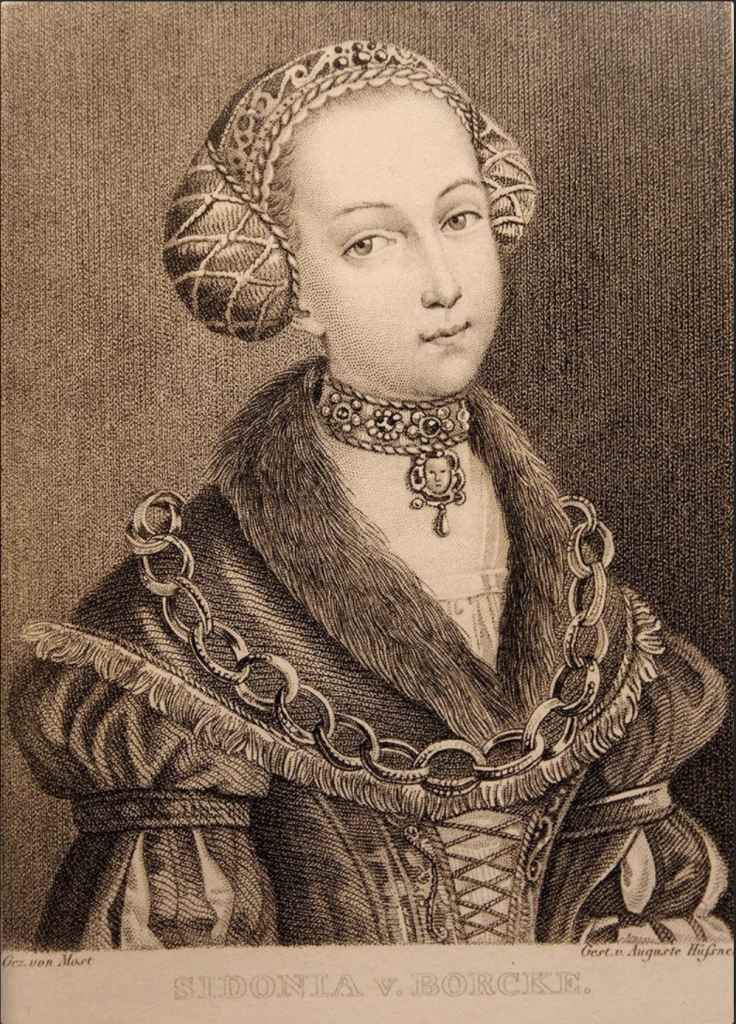
Equal parts legend, literature, and lightning rod, she seems to saunter straight out of Wilhelm Meinhold’s Gothic romance and into Edward Burne-Jones’ paintbox like she pays rent there.
(She does not.)
First: Who is Sidonia, and why was everyone clutching their pearls?
Sidonia was as a real historical figure: Sidonia von Borcke (1548–1620), who was a Pomeranian noblewoman who was later tried and executed for witchcraft in Stettin (today Szczecin).
Her story gathered myths the way velvet gathers lint: quickly, dramatically, and with a certain inevitability.
Then the nineteenth century came along, an era that adored a good shiver, and said: “What if we made her… more?”
Enter Wilhelm Meinhold, who wrote Sidonia von Bork, die Klosterhexe (published 1847–1848). You can read it free online at Project Gutenberg.
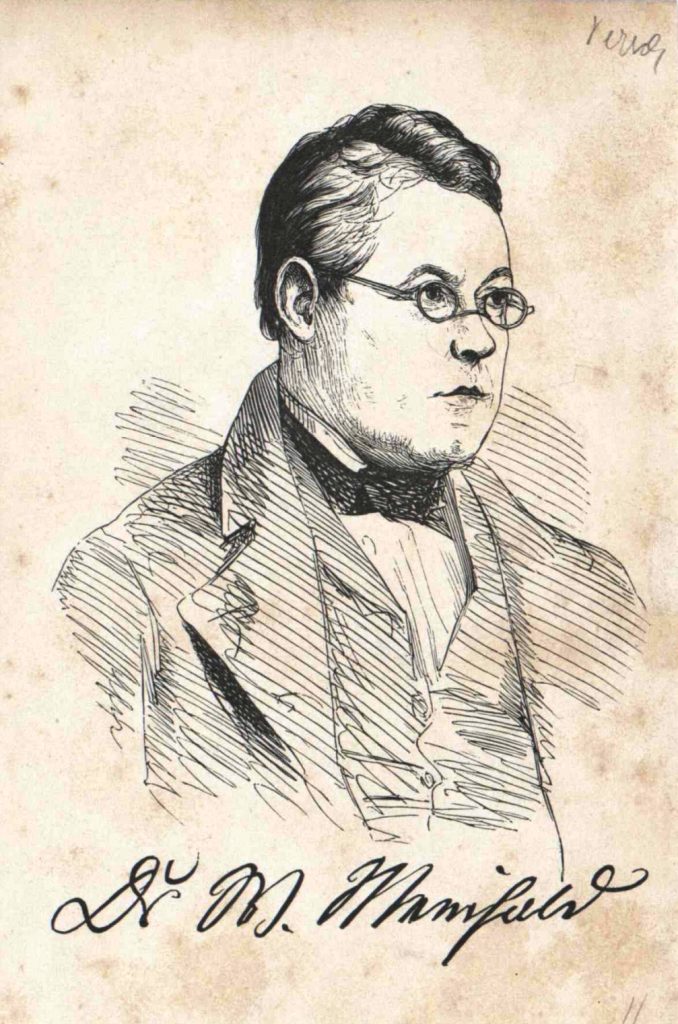
In his telling, Sidonia becomes a grand Gothic engine: beauty, grievance, power, menace, basically all the elements we still see in fictionalized Femme Fatales.
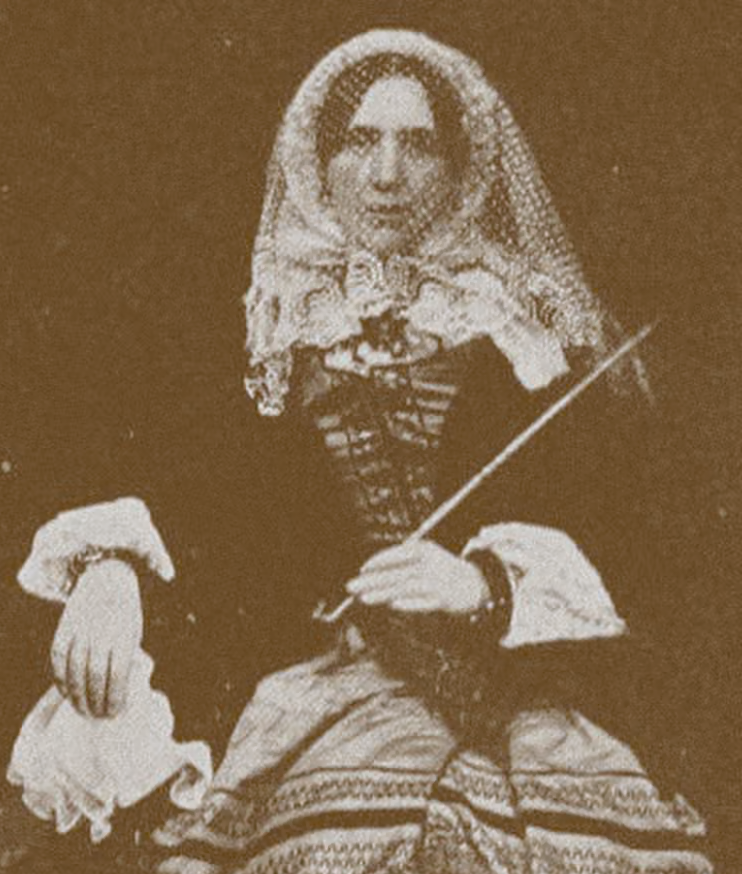
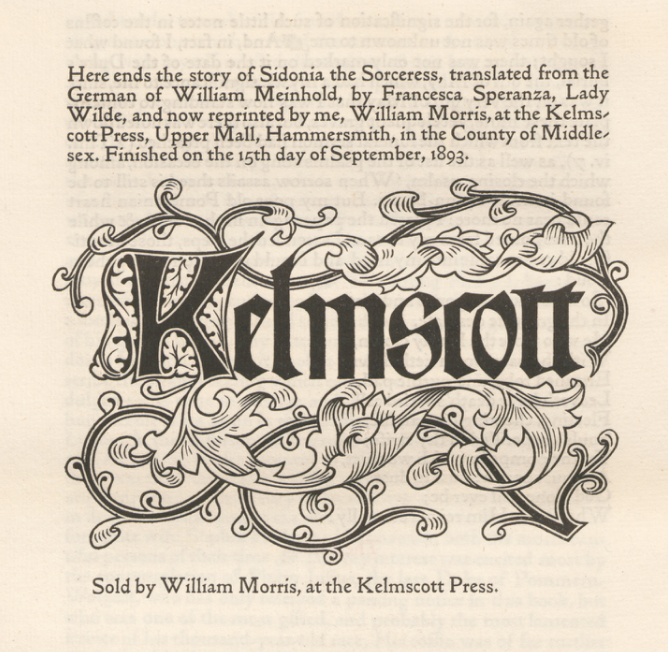
And because English readers love a delicious import, Jane Wilde (mother of Oscar), writing as “Francesca Speranza”, then translated it into English as Sidonia the Sorceress in 1849. (Flip through a digitized version at Archive.org.)
Pre-Raphaelites promptly took one look and said, in essence:
“Yes. We’ll have that.”
The Pre-Raphaelite Taste for “Beautiful Trouble”
The Pre-Raphaelites (and their orbit) had a fondness for women who arrived with a certain atmosphere.
Saints with sorrow.
Queens with complicated backstories.
Enchantresses with impeccable hair.
Sidonia fits right in: she is not merely wicked; she is composed, as though her evil nature is simply a kind of interior decorating choice.
And now, behold the pivot from page to pigment.
Burne-Jones Paints Sidonia (And Gives Her a Dress That Basically Has a Plot)
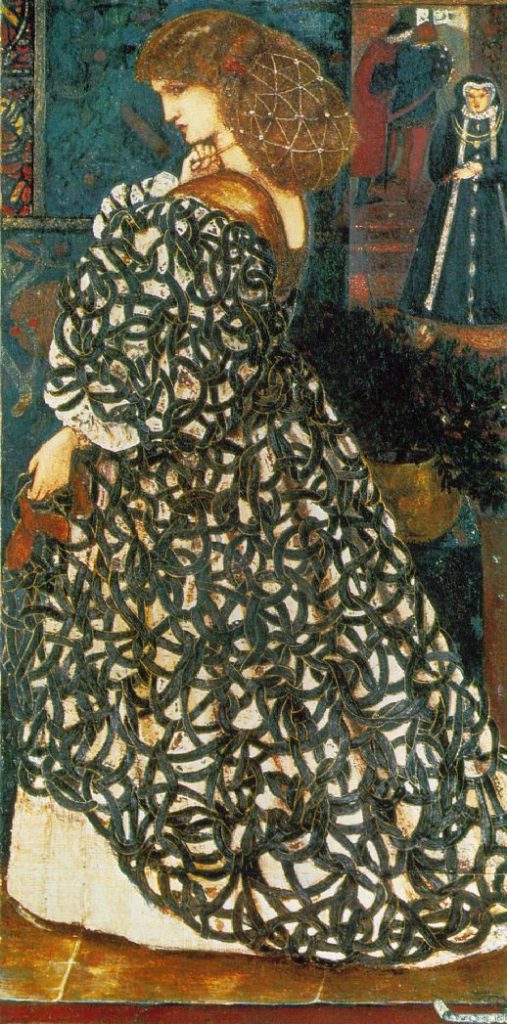
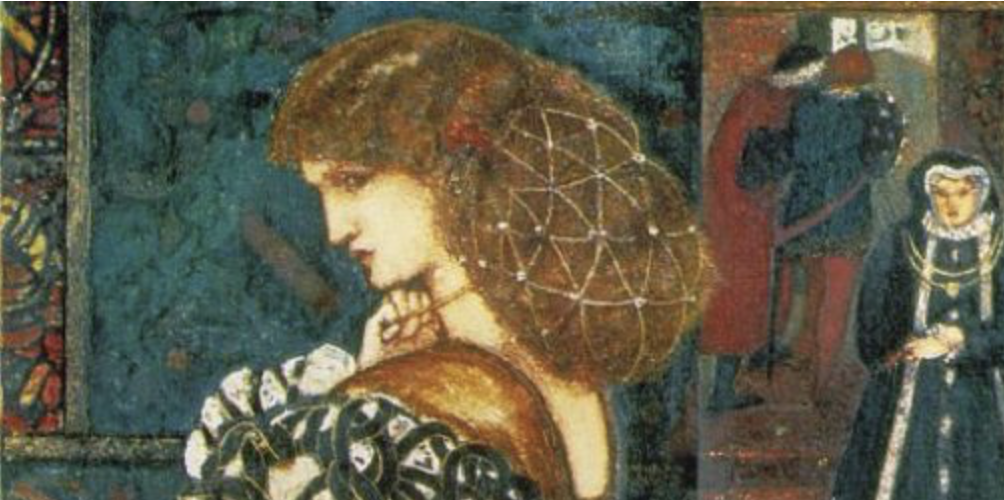
In 1860, the young Edward Burne-Jones created Sidonia von Bork 1560, a watercolour and gouache work now in Tate Britain.
Sidonia turns partly away, as though she’s already bored with our judgment.
Her gown is an extraordinary tangle of black looping forms over white.
It’s a textile enchantment.
It’s also interesting to note that Burne-Jones wasn’t painting Sidonia in a vacuum. Sidonia was painted as a partner to another Burne-Jones work: Clara von Bork 1560, based on Sidonia’s in-laws..
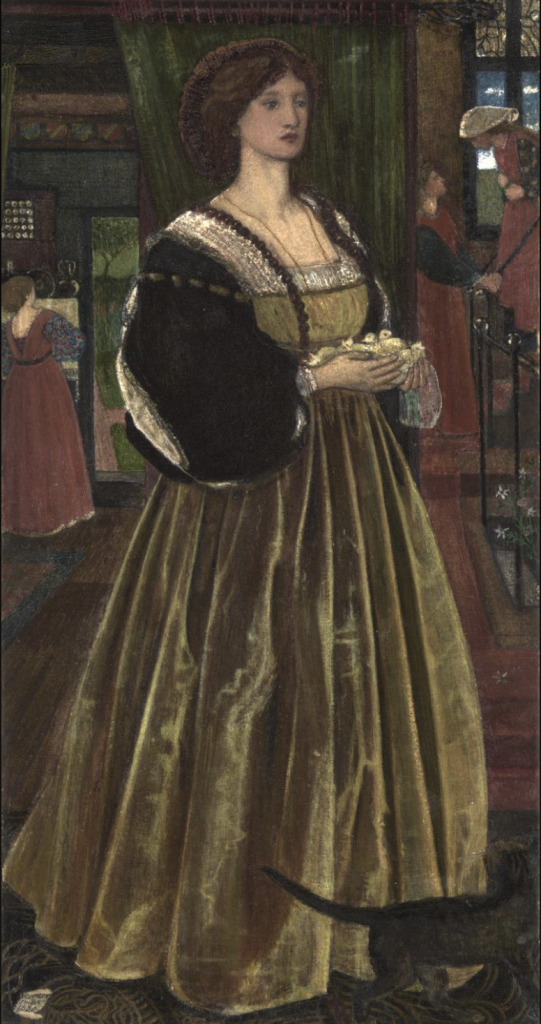
Clara von Dewitz is the subject here: gentle, loyal, and tragically outmatched. She marries Sidonia’s virtuous cousin, Marcus Bork, stands by Sidonia when she falls into trouble, and is eventually led by her to a gruesome death.
That relationship shows up in the details. Clara holds a nest of fledgling doves, while Sidonia’s black cat (her familiar) looks up at them expectantly.
A Delicious Detail: The Model, the Costume, and the Borrowed Renaissance Glamour
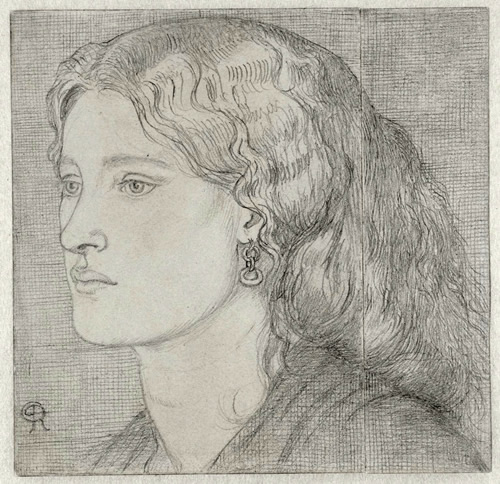
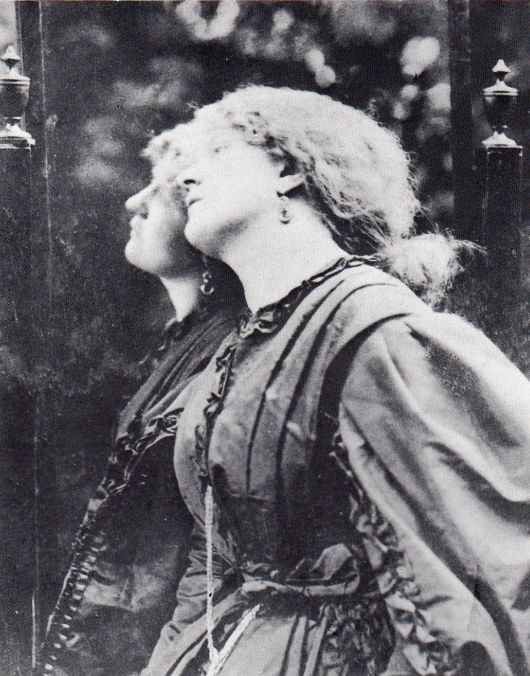
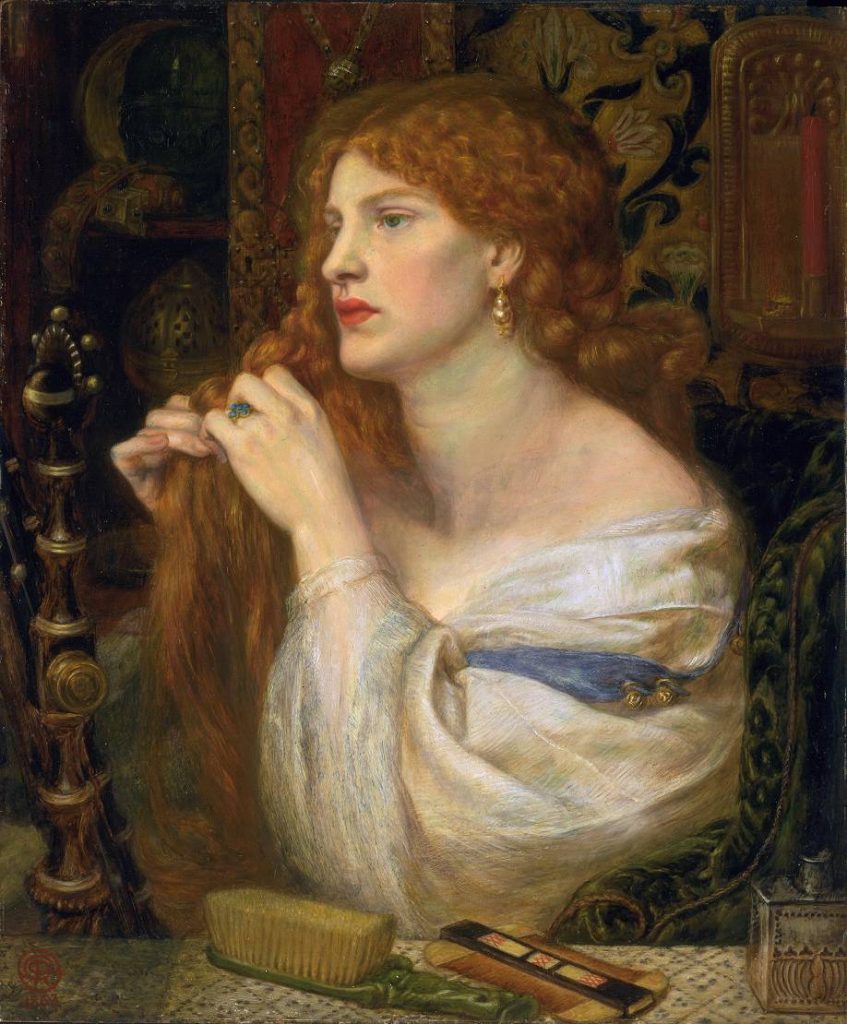
Tate Britain notes that Burne-Jones used Fanny Cornforth, who was at one time Dante Gabriel Rossetti’s model and mistress, as his model for Sidonia.
Which is fascinating, because it means the painted Sidonia is not only a character; she’s also a part of a network of studio relationships, muses, rivalries, and the drama often found among relationships in the Pre-Raphaelite circle

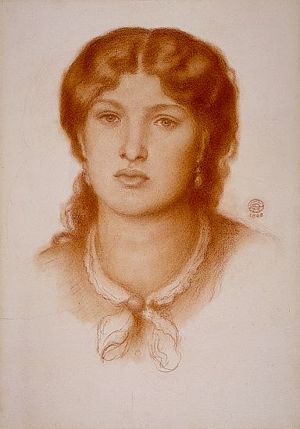


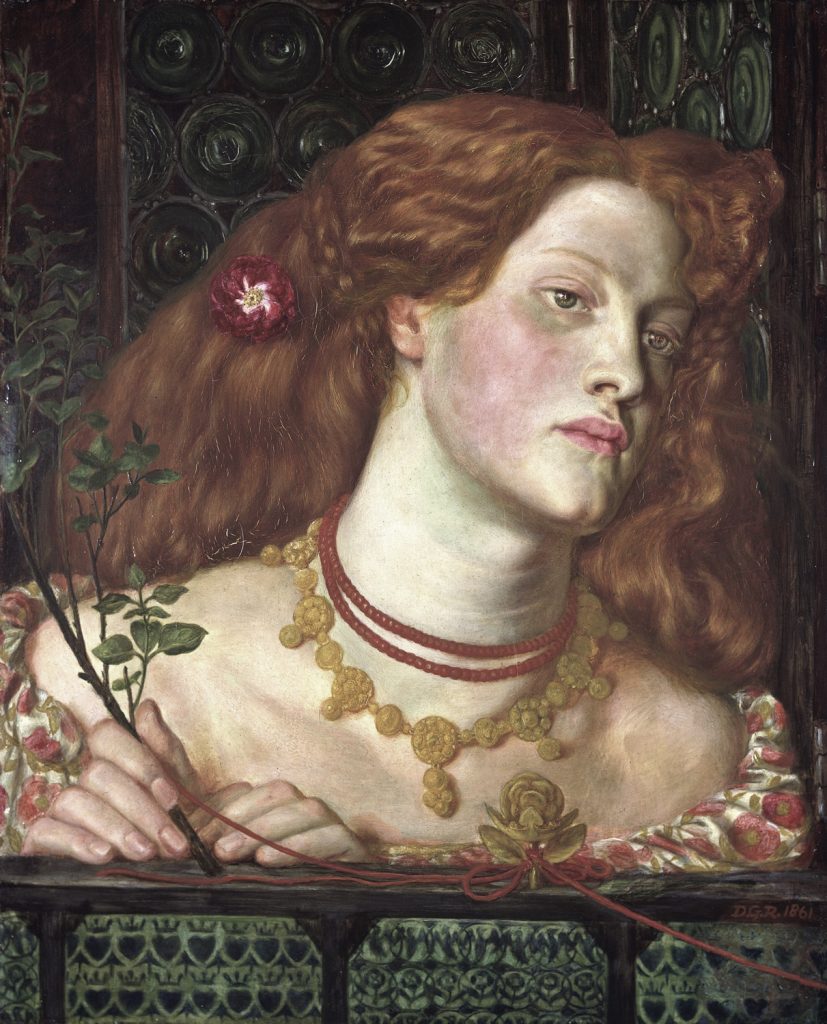
And Sidonia’s fabulously serpentine dress? It’s based on a Renaissance reference: the costume was inspired by a portrait of Isabella d’Este by Giulio Romano.
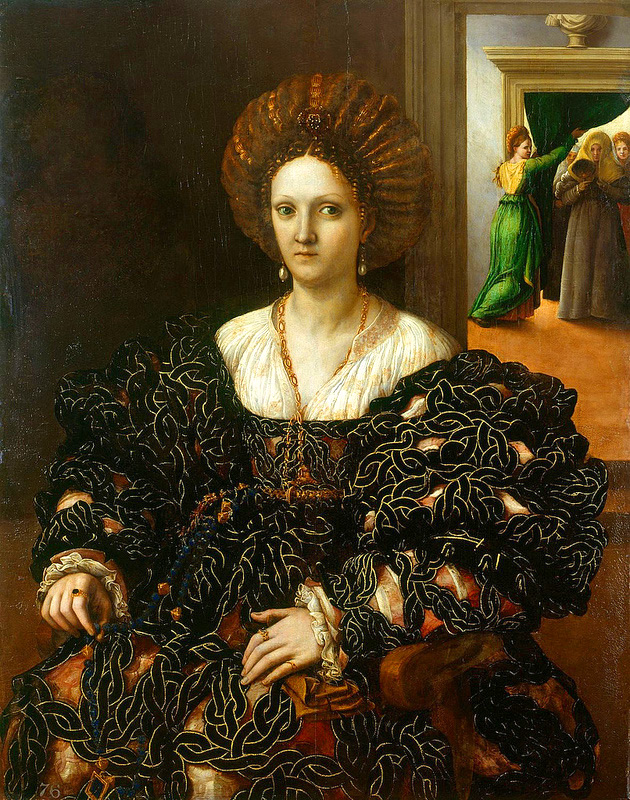
Both Burne-Jones’ Sidonia von Bork 1560 and Portrait of Isabella d’Este seem to be visual ancestors of the dress worn by Miranda Richardson in Sleepy Hollow (1999) directed by Tim Burton. As Lady Van Tassel, Richardson wears a gown similar to Sidonia’s, with a dense ornamental surface and almost unnaturally controlled elegance.
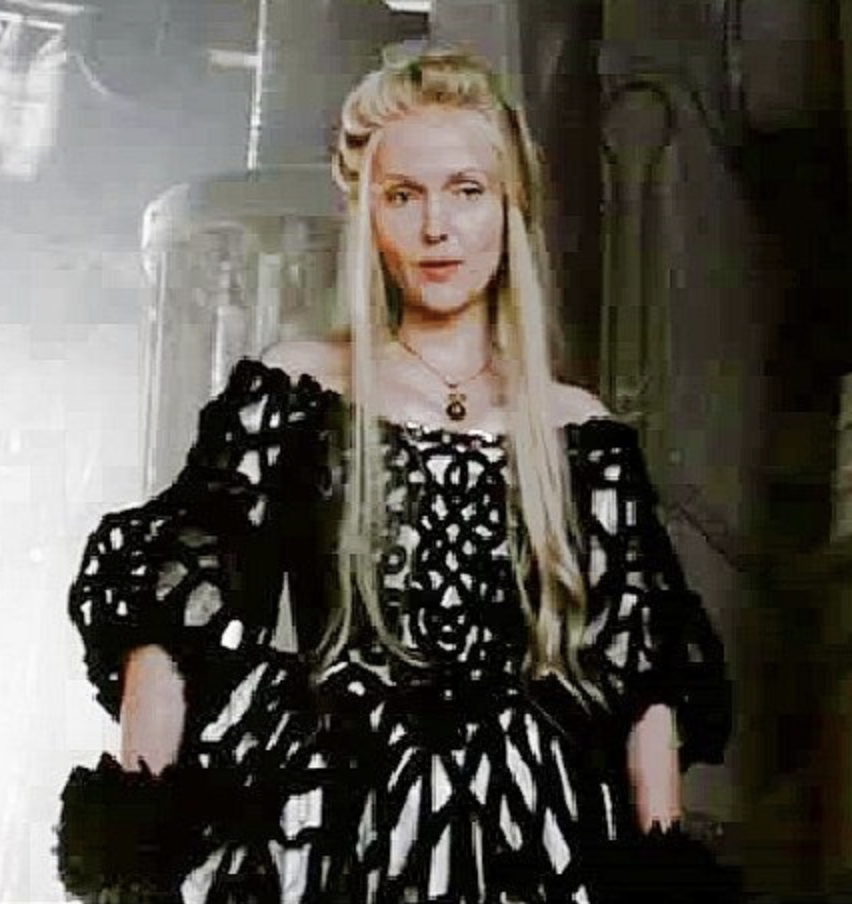
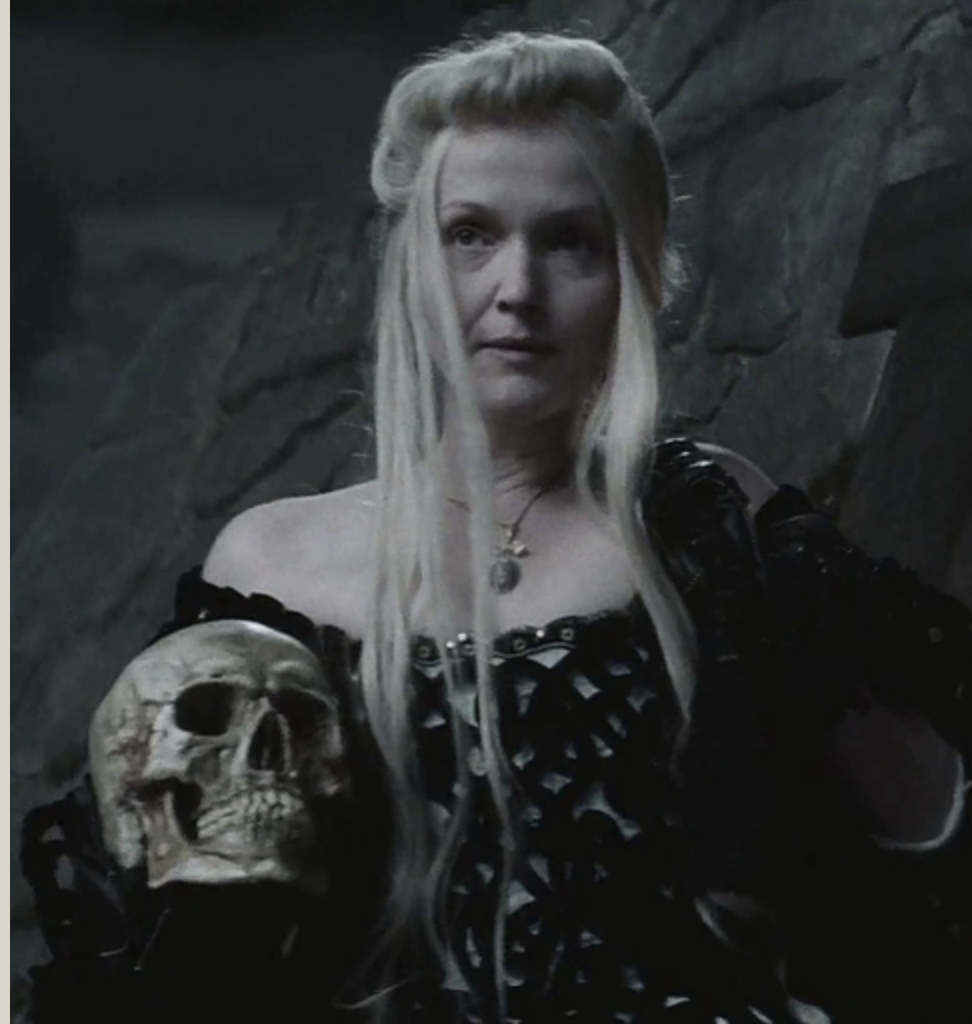
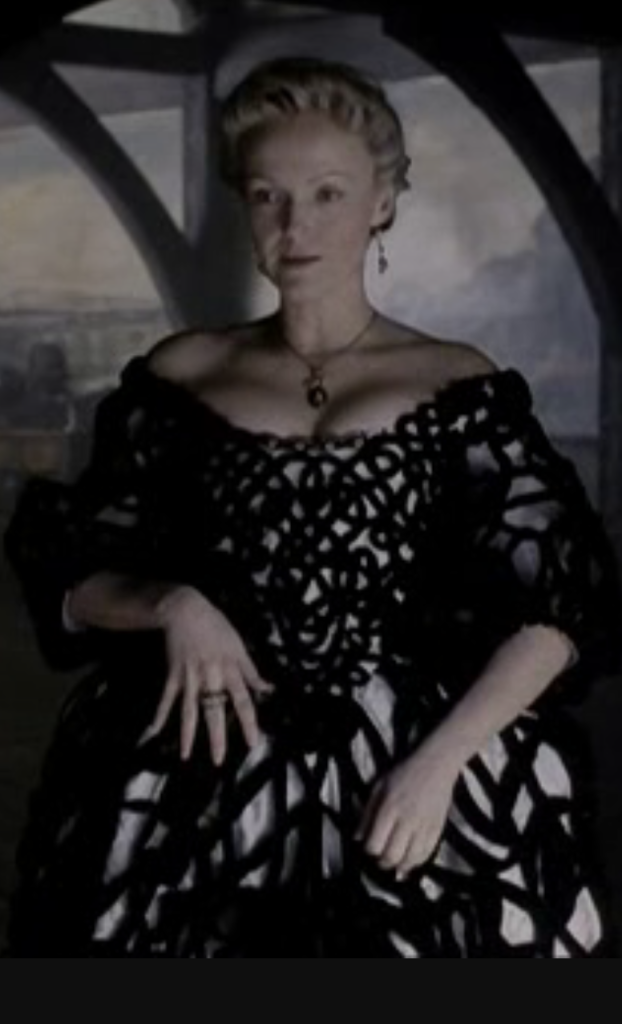
Burne-Jones paints Sidonia as a figure whose beauty is inseparable from the threat she holds, and that same logic shapes the costuming in Sleepy Hollow. Lady Van Tassel’s clothes do not simply signal wealth or taste; they turn fabric into a kind of narrative misdirection. The effect is quintessentially Burtonesque gothic, theatrical, and faintly funereal, but it also recalls the Pre-Raphaelite habit of female dress carry psychological weight.
In that sense, the resemblance to Sidonia matters not only as an art-historical echo but as a clue to how Sleepy Hollow imagines wicked feminine power: ornate, cultivated, and dangerous enough to look decorative until it is far too late.
The Background Cameo: Court as Theater, Sidonia as Plot Device
In Burne-Jones’ image, Sidonia isn’t alone and the background hints at courtly life, a scene-within-a-scene.
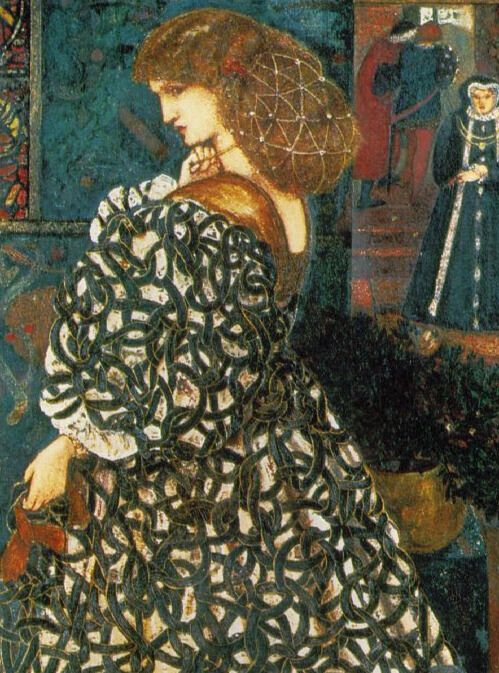
Sidonia is perhaps plotting another outrage at the court of the dowager Duchess of Wolgast, where her earliest crimes began. The Duchess herself can be seen approaching in the distance.
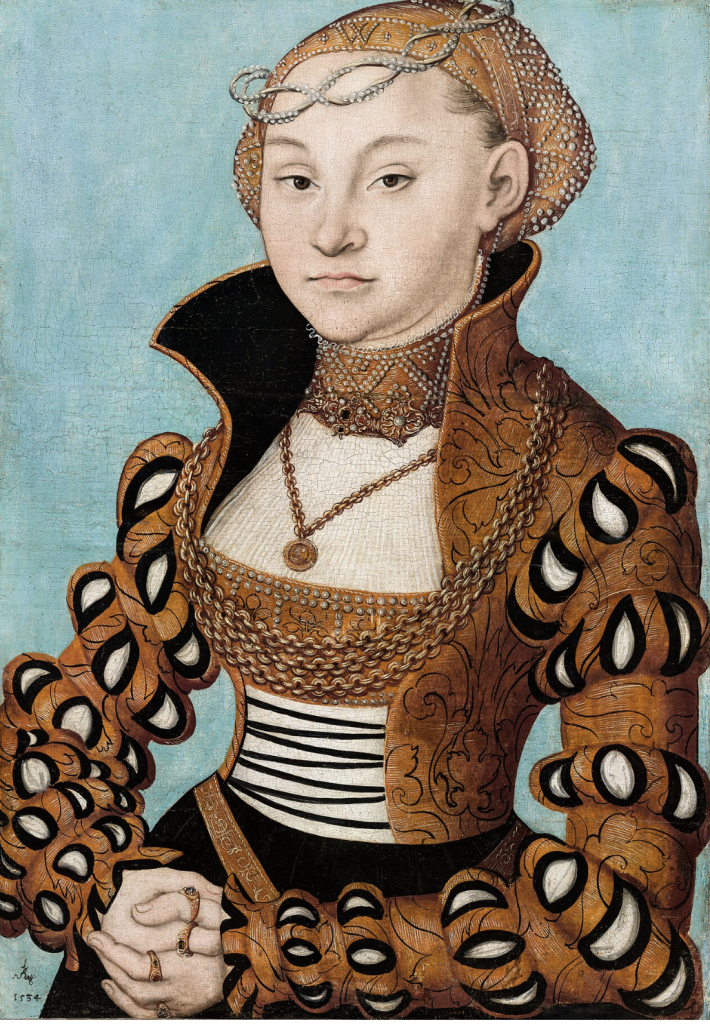
And that’s exactly how Meinhold’s Sidonia operates: she moves through court culture like a chaotic storm, and everyone feels her presence. Consequences, of course, follow.
Is she truly supernatural?
Or merely a woman made monstrous by a society eager to punish inconvenient power?
The Victorian imagination, ever thirsty, happily drank both interpretations at once.
The Witch Trial Shadow
It is tempting to stop at the Gothic pleasure of Sidonia von Bork. But Sidonia’s story rests on a darker historical foundation: the very real world of witch trials, social panic, and fear turned into accusation.
Her execution in 1620 is part of that history. So when Burne-Jones paints her as a figure of eerie beauty and charisma, he is working with a subject already shaped by persecution, rumor, and power.
I think that makes the painting more complicated. Its beauty is real, but it is not detached from the violence and suspicion that helped create the legend in the first place.
Why This Pairing Still Hits: Novel + Painting = The Original “Adaptation”
What we’re watching, across Meinhold and Burne-Jones, is a Victorian-era version of something we recognize very well:
A story goes viral.
The image makers pick it up.
A character becomes an aesthetic.
And the aesthetic outlives the plot.
Meinhold supplies the narrative machine (1847–48).
Jane Wilde supplies the English-language spark (1849).
Burne-Jones supplies the image you can’t forget (1860).
Sidonia becomes, almost inevitably, an icon and we continue to see her DNA in fictional characters.
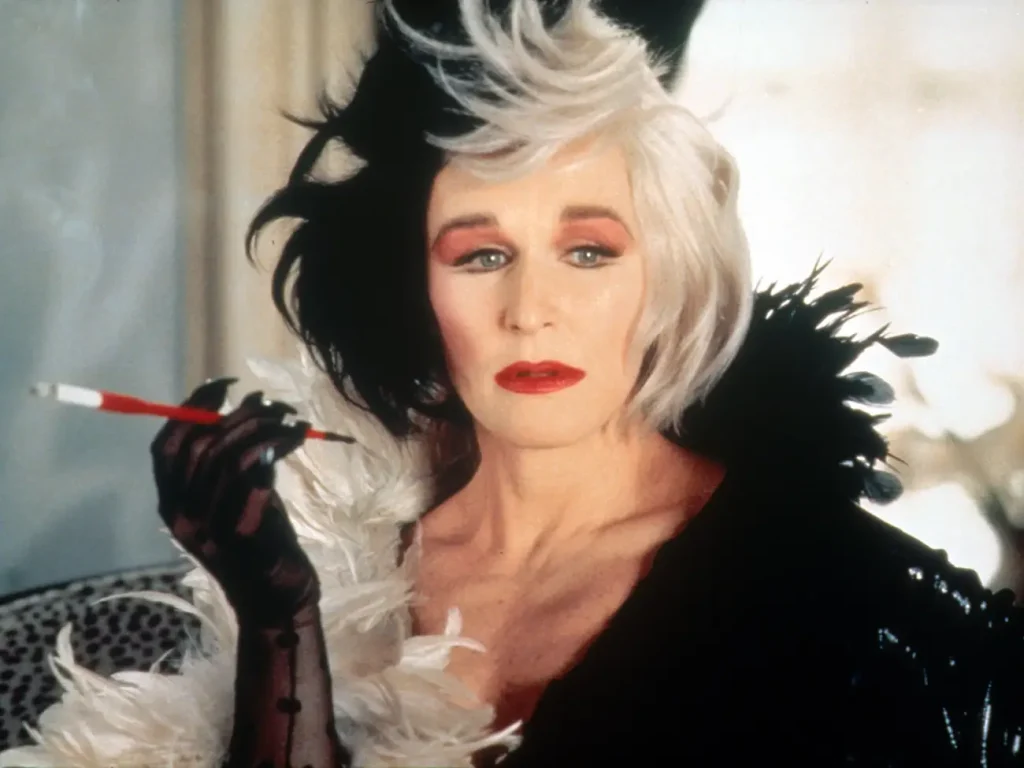
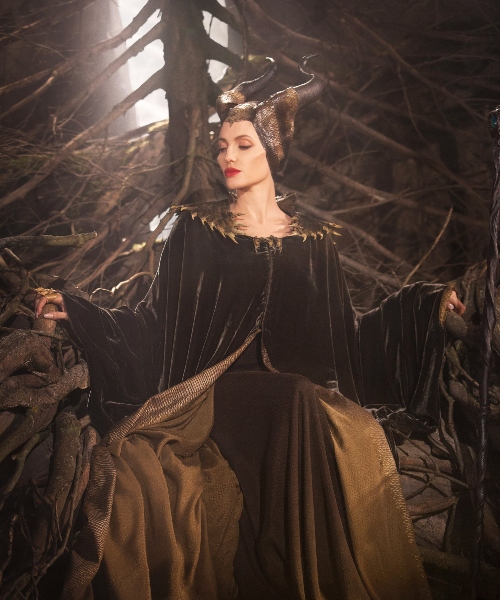
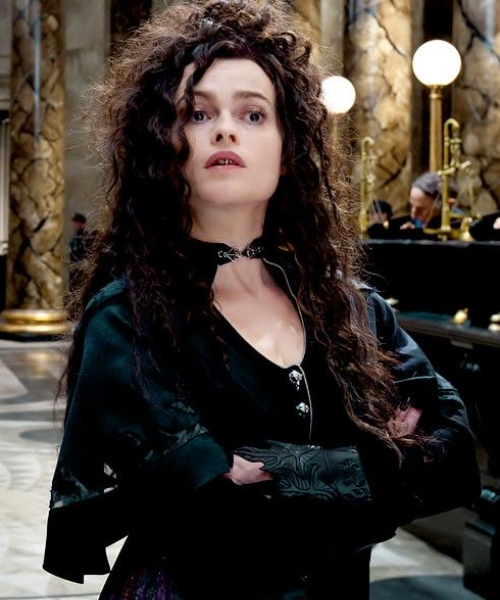


She’s the “dangerous woman,” the “bewitching woman,” the “woman who won’t behave.”
And the painting, with its ornate restraint and quietly chilling pose, doesn’t shout. It simply confirms what the world had already decided to see in her.
A Final Parlor Thought (Before She Vanishes Down the Hall)
And If the Pre-Raphaelites still return to us in fashion, visual culture, and through our repeated hunger for certain kinds of feminine myth then Sidonia shows why.
She is story reduced to emblem.
The muse with a shadow attached.
Beauty sharpened into threat.
Naturally, she will absolutely be the last person to leave the party.
(After she’s stolen the candlesticks.)
For more beauty, color, and curiosity, subscribe to the Guggums newsletter