

This morning, a story on the BBC caught my attention and lingered in my thoughts.
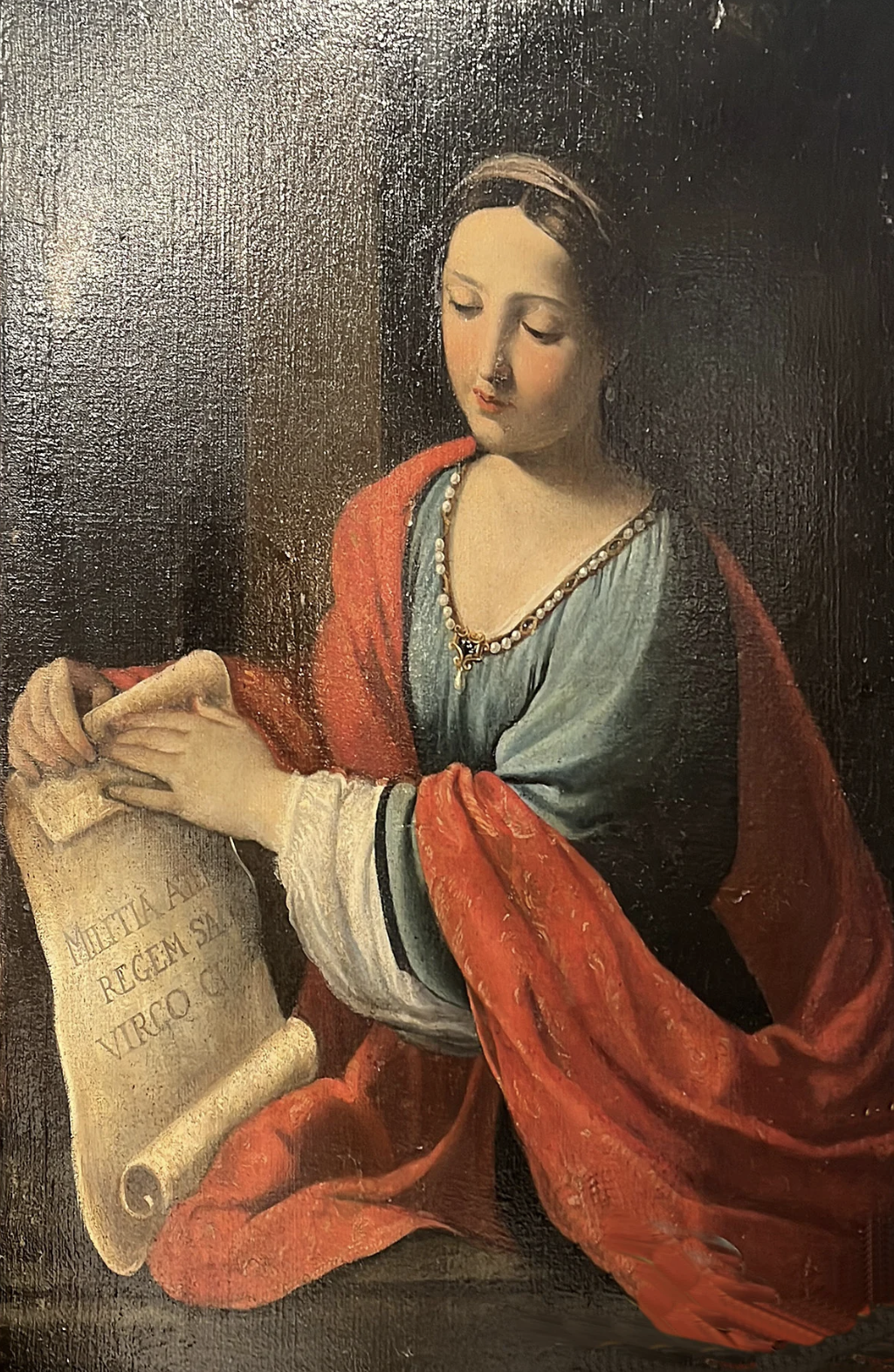
Saint Agnese, once unmistakable, had lost her lamb. A scroll was painted over the animal, her halo and palm branch quietly erased. The subject of a 17th-century painting, stolen from a church in Sulmona, Italy in 2004, had been made deliberately obscure. tech.yahoo.com
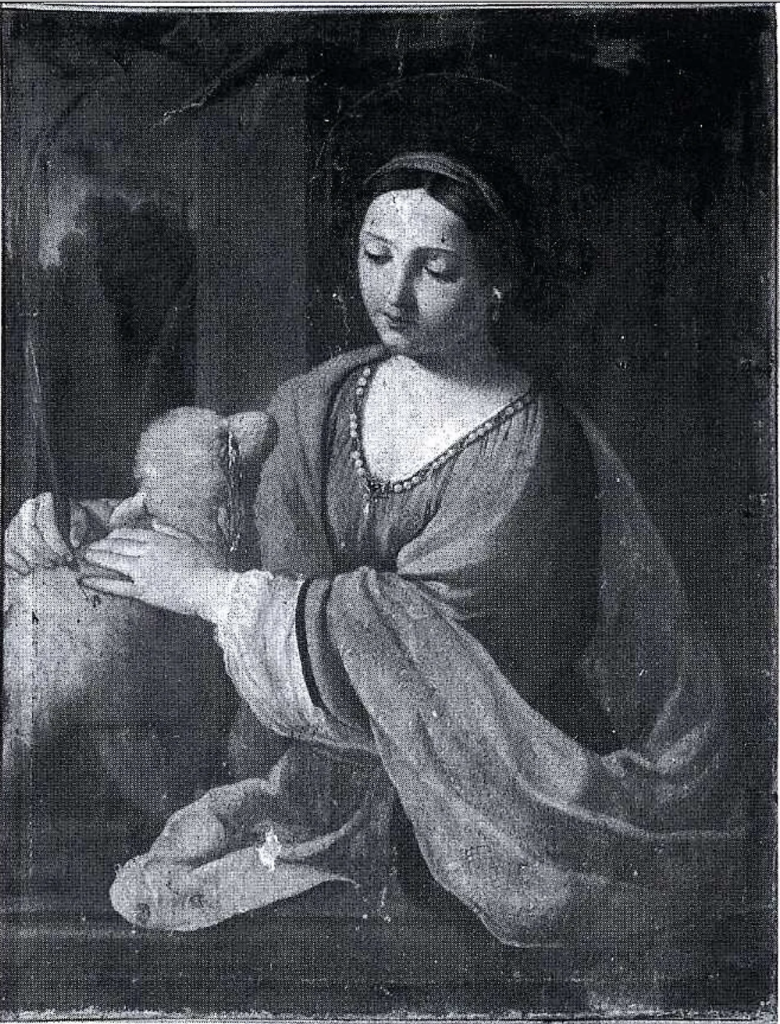
Nearly twenty years later, Italian investigators who regularly visit antique fairs and markets and photograph art spotted the altered painting and snapped a picture. In Sofia Quaglia’s report, an AI system, trained to compare images with records of stolen art, flagged a possible match. Human expertise then followed where the algorithm pointed.
These painted-over details matter. Symbols like a lamb, or a palm, can quietly anchor a figure in a story and help us recognize who stands before us. Here, someone used the painter’s own language to disguise the painting’s identity.
Navigating the world of AI is not straightforward. Like the internet before it, this technology offers both promise and risk, and I think we’re only just beginning to learn its pitfalls. Deciding where to place our trust takes patience and care.
Artists deserve to know how their work is being used to train these systems, whether they’ve given consent, and what effect this has on their livelihoods. Even a successful recovery of a priceless masterpiece leaves these questions unresolved.
In this case, the software compared existing images rather than generating new ones. Human judgment and detective work remained essential. The BBC report also notes that AI can assist deception, including the fabrication of false ownership histories. www.carabinieri.it
Of course it’s a relief to see the painting returned. Still, in our rapidly changing world, we need to consider the tools that helped bring it back.
Concerns about Artificial Intelligence aside, in May 2025, the painting returned to its diocese. The announcement welcomed it as part of the community’s faith, history, and identity. After twenty years, Saint Agnese was home again.
For more beauty, color, and curiosity, subscribe to the Guggums newsletter