

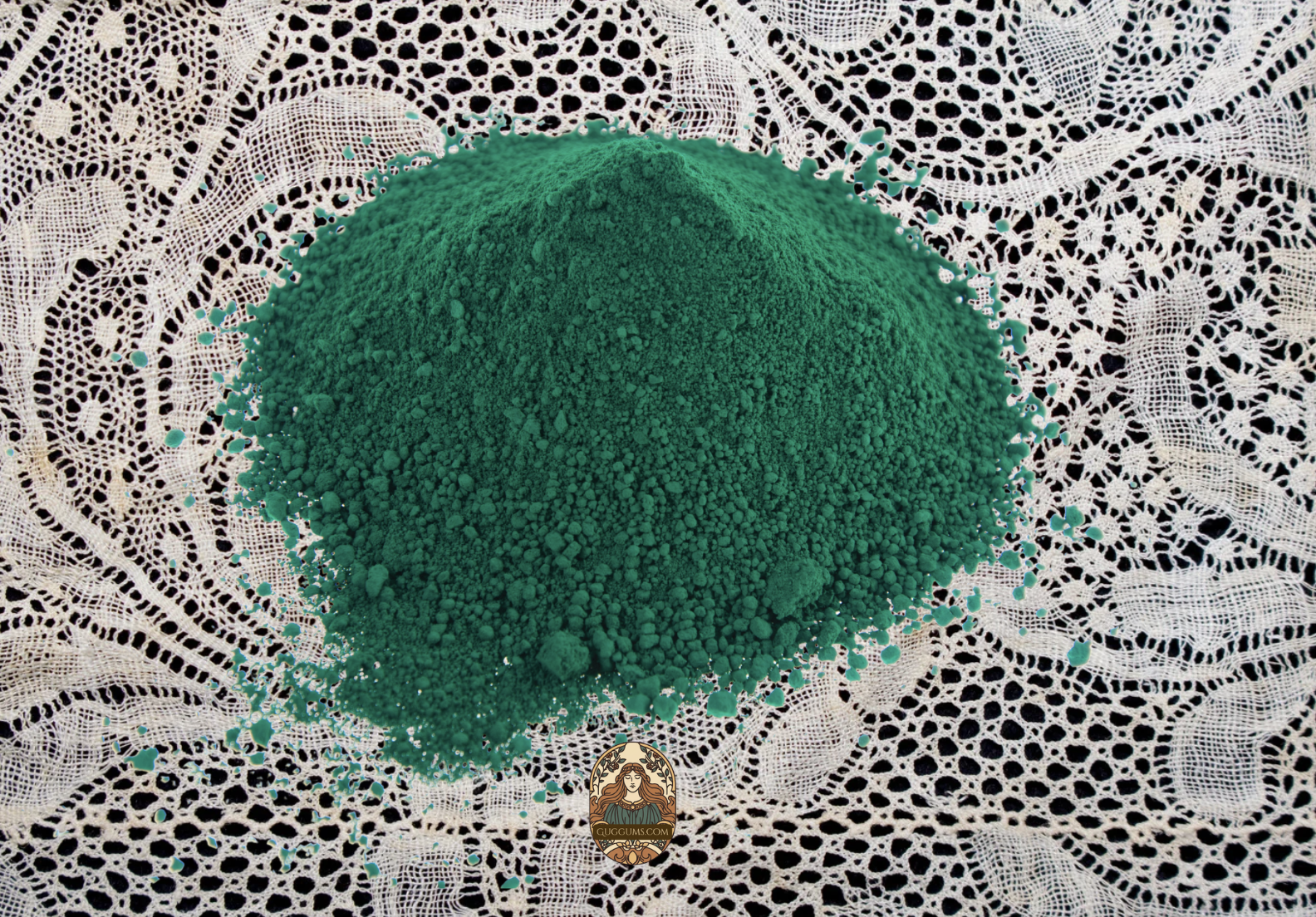
Arsenic is well known in classic murder mysteries. Yet in Victorian life, its presence was often far more ordinary, quietly settling onto the walls of the sitting room.
Some of the nineteenth century’s most appealing greens were made with arsenic. Pigments known as Scheele’s Green (invented in 1775) and Emerald Green were used in wallpapers and fabrics, bringing vivid color into homes and wardrobes. A beautiful green dress could owe its color to a poisonous ingredient.
Warnings circulated at the time. Mrs Beeton cautioned against emerald green, and advice in The Times suggested shoppers carry ammonia to test suspicious fabrics. Choosing material for a dress could involve rather more than checking the price.
William Morris’s wallpapers are part of this story as well. In 2003, an early sample of Trellis was found to contain an arsenic-based green. Morris himself held shares in a Devon mining company that would become a major producer of arsenic.
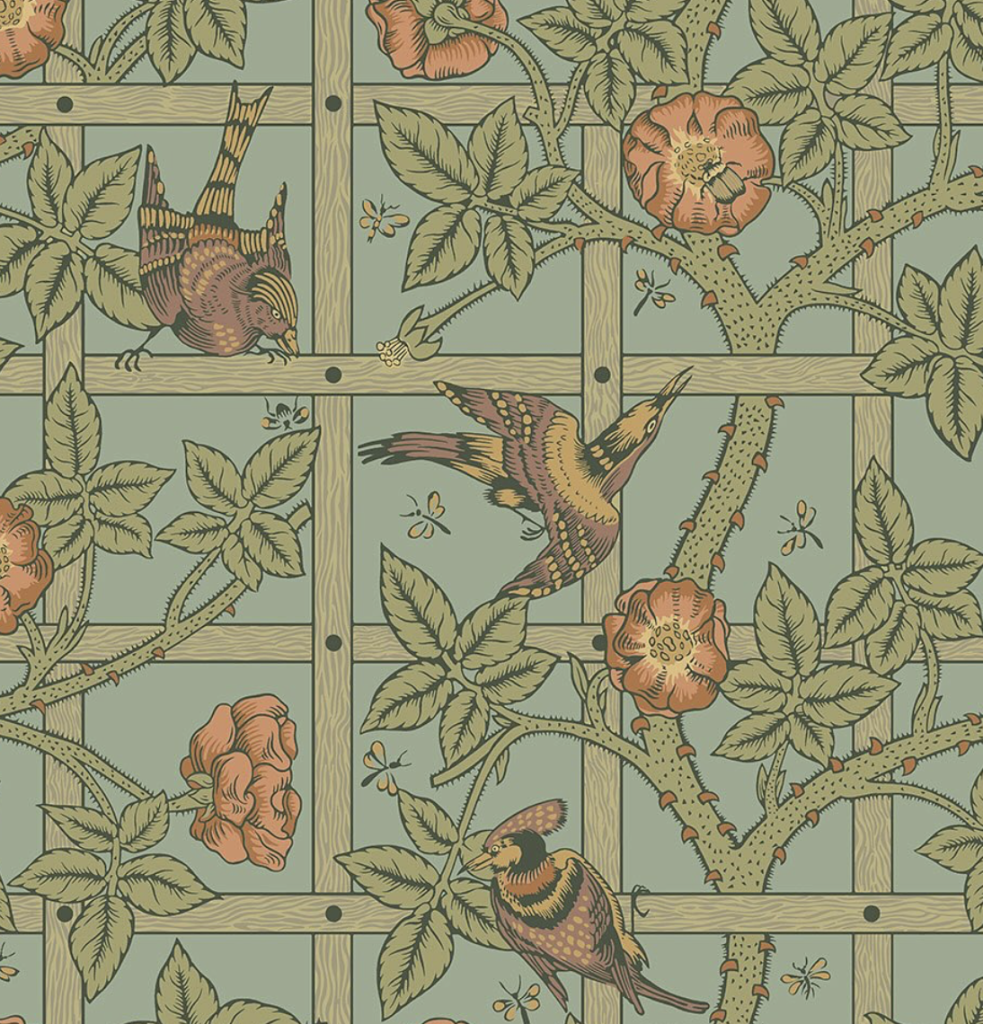
It is an uncomfortable detail beside a design inspired by roses growing in his own garden. Trellis is full of life, with climbing stems and birds among its branches. It is easy to see why someone would want it on their walls.
Morris & Co. later advertised its wallpapers as “free from arsenic.” A surviving pattern book at the V&A carries that reassurance, and testing of its samples has supported the claim.
That small reassurance, printed in a sample book, brings the customer into focus: someone hoping to make a home more beautiful, and with every reason to wonder what was woven into the paper.
For more beauty, color, and curiosity, subscribe to the Guggums newsletter