
Beauty can be a slippery thing. It shifts as we age, evolves as the world changes, and often hides beneath layers of expectation we never meant to carry.
Yet more than 170 years ago, a small group of young artists barely out of their teens, glimpsed this struggle. In 1848, the Pre-Raphaelite Brotherhood broke away from the conventions of Victorian art and turned toward a different vision: one steeped in honesty, emotion, and fearless beauty. And somehow, their lessons still feel startlingly modern.
Beauty Begins With Looking Closely
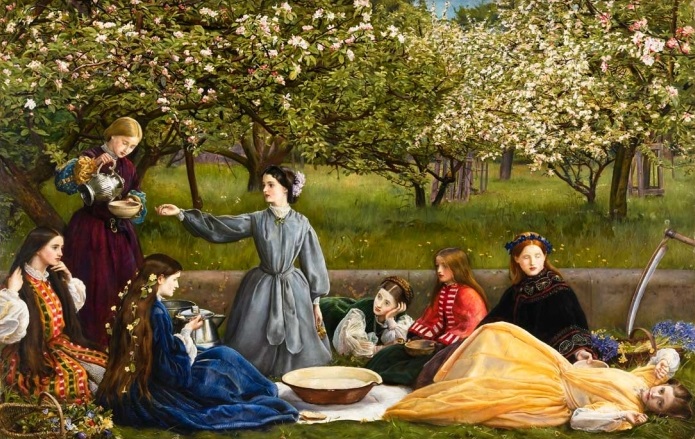
The Pre-Raphaelites believed that truth lived in the details. A single curl of hair, the glint of light on a glass vase, the veins of an ivy leaf.

In a world that encourages us to scroll, skim, and rush, their work whispers a gentle rebellion: slow down.
Beauty can reveal itself when you take the time to actually look.
This isn’t just about art. It’s about the small joys we tuck into our days and the parts of ourselves we forget to notice. The Pre-Raphaelites remind us that beauty waits quietly and patiently for us to witness it.
Beauty Is Not a Synonym for Perfection
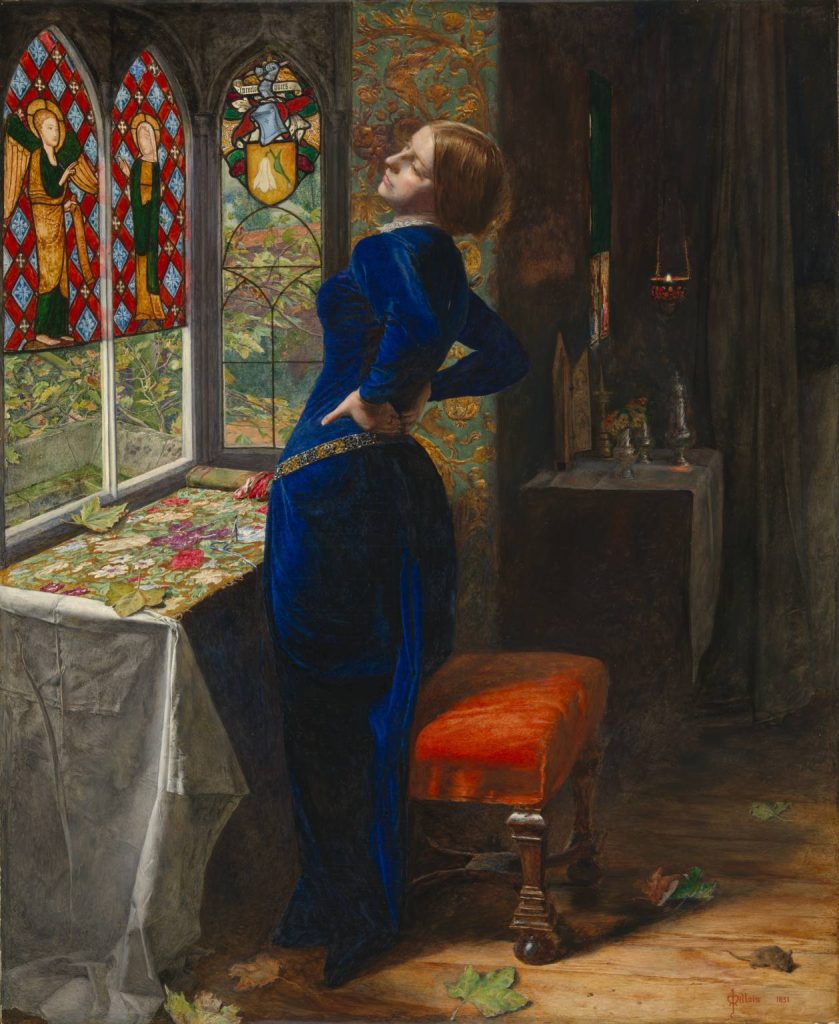
Victorian ideals seem to have demanded a tight corset on everything, from bodies to behaviors and emotions. The Pre-Raphaelites loosened the laces. They painted women who looked real: weary, dreamy, fierce, wounded, complicated. Instead of polished elegance, they offered depth, interiority, and emotional truth.
In an era obsessed with filters and symmetry, their work suggests a radical counterpoint: beauty expands when perfection stops being the goal.
Freckles, softness, expression, sorrow, thoughtfulness… we recognize ourselves in these things more than in flawless surfaces.
Beauty Is Story, Not Just Surface
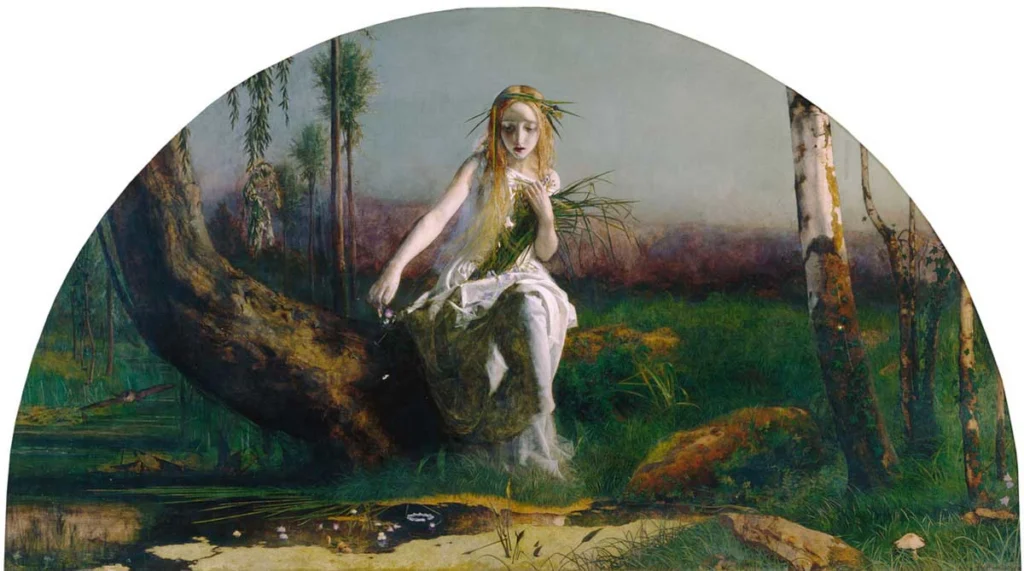
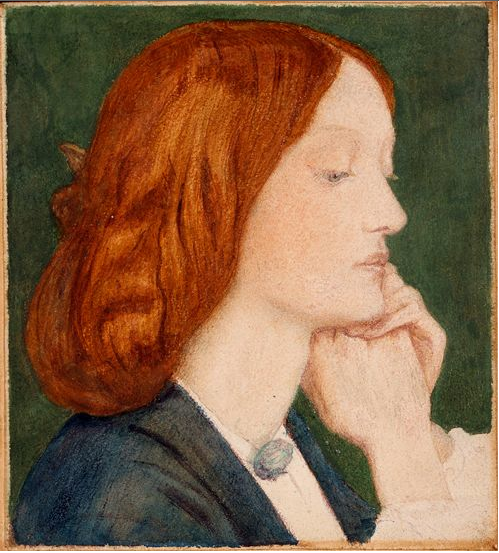
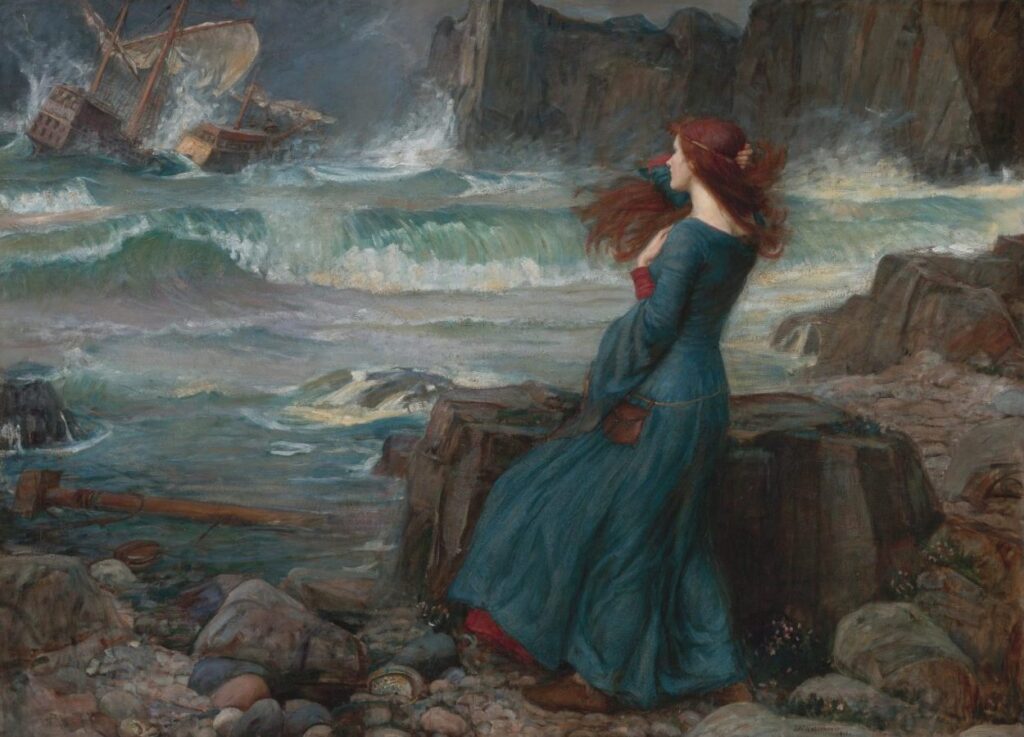
Most Pre-Raphaelite paintings are a narrative. Ophelia doesn’t simply float among flowers; she carries centuries of grief and interpretation with her. Mariana doesn’t merely lean in a chair; she embodies waiting, longing, and resilience. Elizabeth Siddal isn’t just a model. She is a poet, an artist, a woman whose inner life shaped the very movement that immortalized her face.
Their art reminds us that beauty is not an aesthetic metric but a lived story.
Even our own reflection becomes richer when we remember the layers behind it, the experiences we’ve survived, the passions that shape us, the people we’ve loved, the creativity that pulls us forward.
Beauty Is a Conversation With the Past
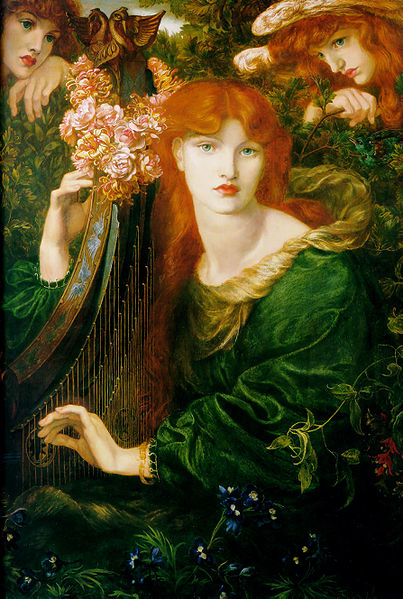
The Pre-Raphaelites reached back to medieval tapestries, Arthurian legends, Shakespearean tragedies, and Renaissance texts. They found beauty not by chasing novelty but by entering into dialogue with history. In doing so, they built a bridge between eras, proof that beauty persists across centuries because it speaks to something unchanging in us.
Today, when trends rise and fall with dizzying speed, their work encourages a deeper kind of grounding. Beauty endures when we root it in something lasting, when it connects us to more than the moment in front of us Whether that’s art, literature, nature, spirituality, or personal history, the result is the same: a beauty that feels lived in rather than disposable.

We Create Beauty, We Don’t Simply Receive It
The Brotherhood didn’t wait to get permission from the artistic establishment, they feverishly strove to champion their message. They met frequently, worked hard, and debated fiercely to hone their ideas. No doubt they made mistakes, but always tried again. And they chose, deliberately, to create something that felt true rather than something that felt safe.
This is a powerful reminder today, where we see beauty presented as something to acquire through products, diets, or trends, rather than something to shape with our own hands.
The Pre-Raphaelites teach us that creativity is beauty. Curiosity is beauty. Craft is beauty. The act of making art, thought, or meaning is itself a form of self representation more honest than any mirror.
Beauty Holds Both Light and Shadow
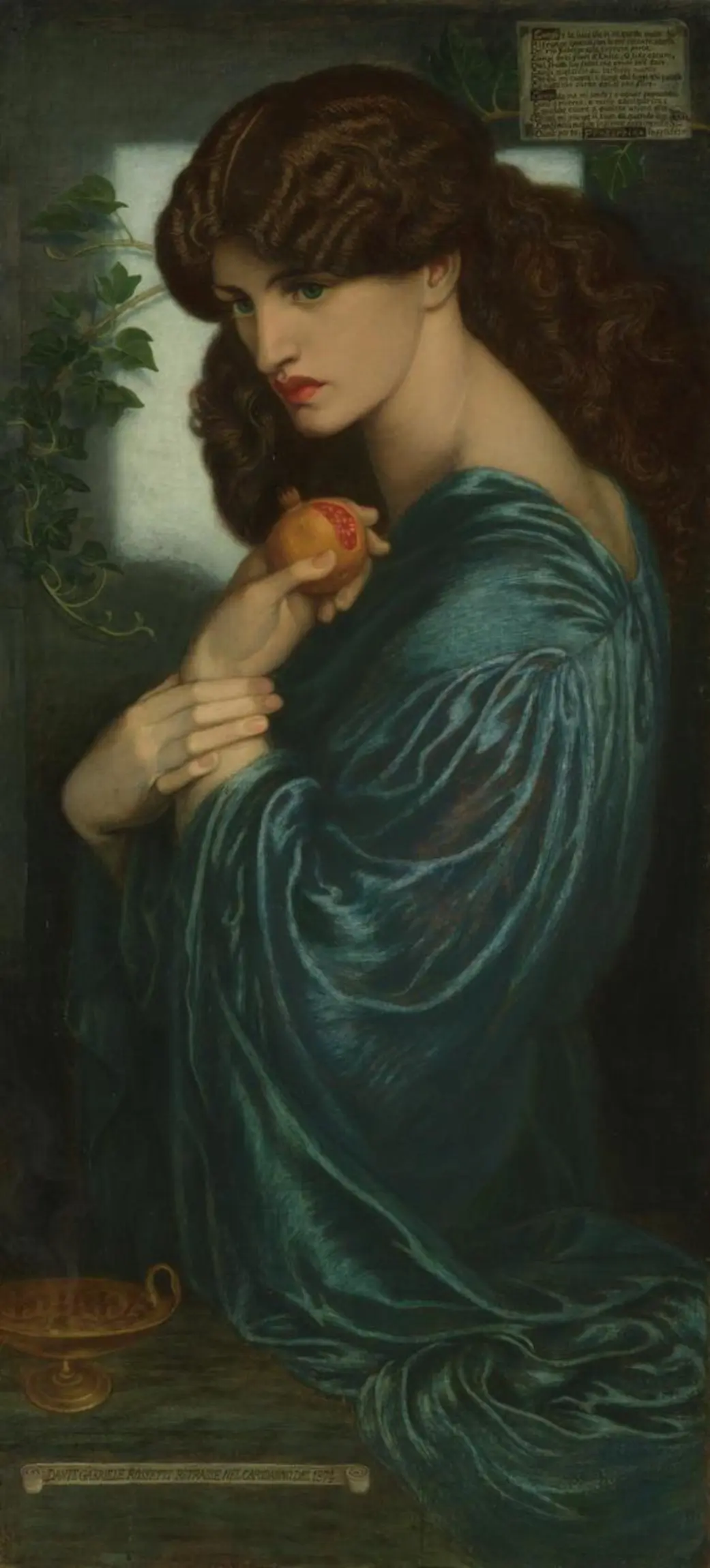
Pre-Raphaelite canvases glow with saturated color, luminous skin, and jewel-like natural details. Yet woven through that radiance is sorrow: Ophelia’s impending death, Proserpine’s captivity, the haunted longing of Dante Gabriel Rossetti’s later work. Their beauty is never naive; it is beauty with full knowledge of darkness and melancholy.
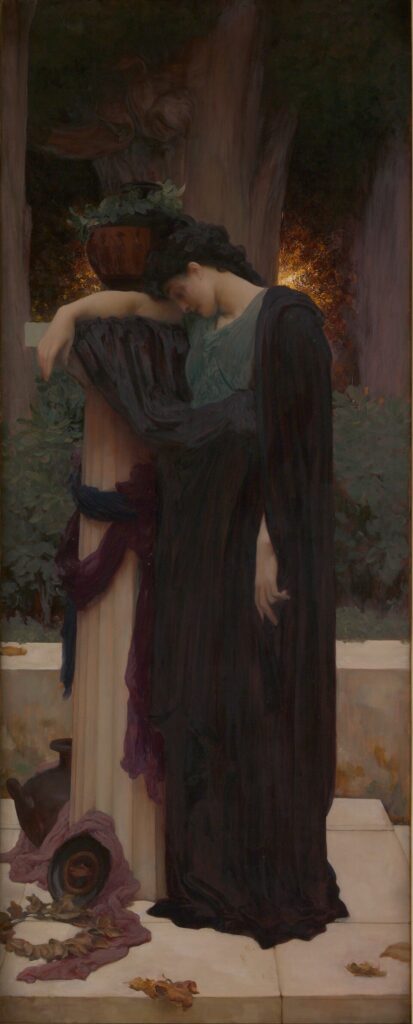
This feels especially relevant today, when many of us are learning to hold joy and grief simultaneously. The Pre-Raphaelites show us that beauty can contain sadness without collapsing. It can reflect the complexity of real life and still shimmer.
Beauty Is an Act of Paying Attention to Yourself
Pre-Raphaelite painter and poet Elizabeth Siddal once wrote, “I care not for my lady’s soul / Though I worship before her smile.” She was pointing to a gaze that never moves beyond the surface; a lover who praises beauty yet ignores the woman’s mind, heart, and inner life. In The Lust of the Eyes, Siddal urges us to redirect that close, reverent attention inward: toward the soft places we neglect, the thoughts we quiet, the dreams we delay, the parts of ourselves that deserve to be seen with the same care we give to great works of art. To live with beauty today means to acknowledge yourself as a worthy subject.
The Lust of the Eyes
Elizabeth Siddal

I care not for my Lady’s soul
Though I worship before her smile;
I care not where be my Lady’s goal
When her beauty shall lose its wile.
Low sit I down at my Lady’s feet
Gazing through her wild eyes
Smiling to think how my love will fleet
When their starlike beauty dies.
I care not if my Lady pray
To our Father which is in Heaven
But for joy my heart’s quick pulses play
For to me her love is given.
Then who shall close my Lady’s eyes
And who shall fold her hands?
Will any hearken if she cries
Up to the unknown lands?
Pre-Raphaelite paintings are not just relics of Victorian art; they are invitations.
Invitations to look closely.
To honor complexity.
Celebrate individuality.
Resist the flattening pace of modern life.
Allow beauty to be something lived rather than pursued.
More than a century later, they still teach us this:
Beauty is not what you perfect. Beauty is what you notice, what you create, and what you dare to see. Both in the world and within yourself.
For more beauty, color, and curiosity, subscribe to the Guggums newsletter