

In a recent interview, actor Timothée Chalamet stirred up controversy by saying ‘no one cares’ about ballet and opera anymore, and defenders of both art forms took to social media to set the record straight. Many argued that just because something isn’t to someone’s taste doesn’t mean it’s lost its value. Alex Beard, who runs The Royal Ballet and Opera, said ticket sales have actually increased thanks to the attention. It’s funny how one offhand remark can spark a conversation about what matters in culture and how easily personal opinion is mistaken for universal truth.
Here’s The Royal Ballet and Opera’s Instagram response to Chalamet’s comments:
When people say no one cares, they often just mean that they don’t care, or that their friends don’t care. That’s not the same thing.
This pattern is longstanding.
Admirers of Pre-Raphaelite art know this script by heart.
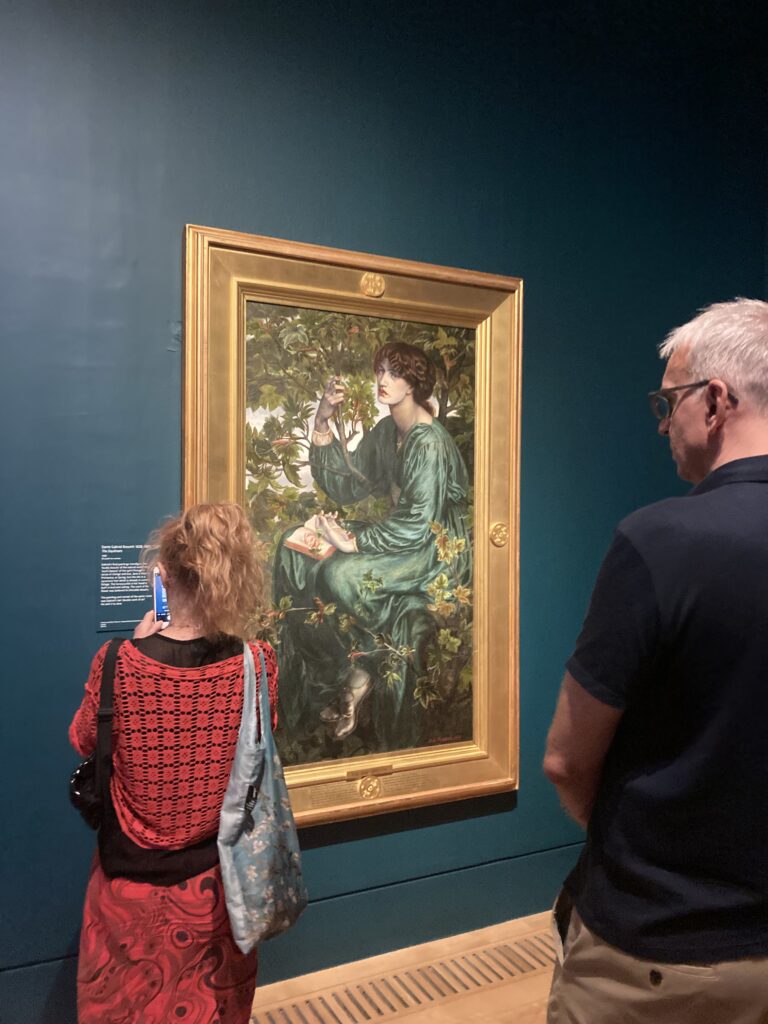
Founded in 1848, the Pre-Raphaelite movement challenged stale academic routines. The Brotherhood sought sharper observation, richer symbolism, and more focus on beauty, nature, and emotion. It was never just decorative. It was meant to matter.
In the twentieth century, the Pre-Raphaelites were often criticized as excessive, sentimental, or embarrassingly lush. ‘Overly sentimental’ was a common rebuke, but the real issue often lay in the open expression of strong emotion.
Importantly, this issue is not confined to Victorian England or the mid-twentieth century. Even today, some critics continue to dismiss Pre-Raphaelite art.
Jonathan Jones observed that ‘a lot of critics disdain this period,’ and in his review of the Burne-Jones exhibition at Tate Britain several years ago, he described it as ‘how boring beauty can be’ and declared Burne-Jones to be ‘a stupid artist.’

These attitudes may seem discerning, but are often habitual. Beauty is dismissed as superficial, narrative as naive, and emotion as weakness. Critics can appear more unsettled by art that evokes strong responses than by art that fails to engage.
Here, Chalamet’s episode and the Pre-Raphaelite story meet. Both show how personal dislike is confused with cultural judgment, and how authority figures shape what is deemed significant.
A recurring pattern of scorn
Ballet and opera are called elitist or dull. Pre-Raphaelite art is labeled sentimental, decorative, or excessive. The terms change, but critics persistently dismiss them, then act surprised or scornful when the public remains interested.
Nevertheless, audiences continue to attend these performances and exhibitions.
This persistence is key. However labeled by critics, audiences engage. This is not naivety. Audiences see what critics overlook: beauty, atmosphere, emotion, and art that invite appreciation.

Of course, this does not mean all criticism is wrong.
Acknowledging that critics can be dismissive does not suggest that critique itself is unnecessary.
Some Pre-Raphaelite works are uneven or excessive. Some raise questions about gender, idealization, medievalism, empire, and the politics of beauty. Those questions matter; serious criticism helps us see and understand more.
However, it is important to distinguish between critique and contempt.
Critique involves careful and thoughtful examination. Contempt feels performative and superficial.
Personal dislike does not constitute cultural judgment.
It’s easy to conflate personal dislikes with genuine judgment. Historically, critics have often proclaimed the demise of art forms they did not favor, confusing personal opinion with cultural fact.
Yet these art forms persist.
They live on because they are vital.
Art endures through those who passionately engage it. Its vitality comes from devoted audiences: proof that meaning and value are not bestowed by critics, but earned by ongoing, genuine appreciation.
For more beauty, color, and curiosity, subscribe to the Guggums newsletter